


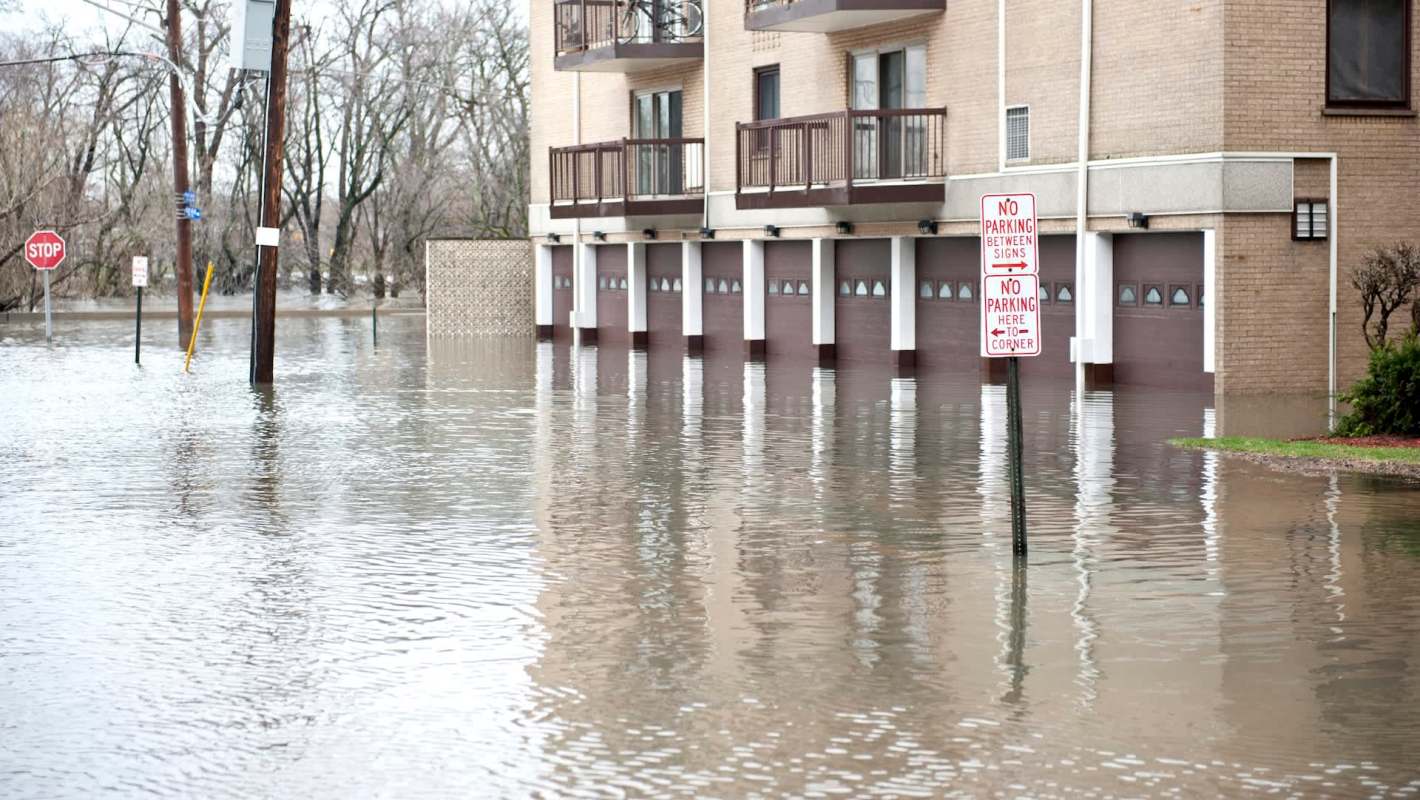
Flooding in Chicago is intensifying rapidly, and for many residents, every major rainstorm now brings a sense of dread.
According to the Chicago Sun-Times, researchers at the University of Illinois warned in a 2025 memo that rainfall from severe storms could increase by another inch by 2050.
The risk is compounded by aging infrastructure built for a very different climate. Over the past century, heavy rain events in Chicago have become about seven times more likely, with some storms now dumping more than 8.5 inches in just 24 hours.
Many neighborhood sewers, however, are designed to handle only about 2 inches of rainfall in that same timeframe, making flooding almost unavoidable during today's extreme storms.
That gap was on full display in 2023, when a short but intense storm dropped eight to nine inches of rain across parts of the West Side, South Side, and surrounding suburbs. Sewers were overwhelmed, tens of thousands of homes were damaged, and many residents were left dealing with lingering mold. While some federal recovery funds have been awarded, none allocated to Chicago or Cook County have yet been spent.
"Without changes, we're going to see an increase in [disaster] impacts," said climatologist Trent Ford, per the Chicago Sun-Times.
TCD Picks » Quince Spotlight
💡These best-sellers from Quince deliver affordable, sustainable luxury for all




The burden is not shared equally. An analysis by the Center for Neighborhood Technology found that 96% of the Chicago communities with the highest number of federal flood-disaster claims between 2007 and 2016 were communities of color.
"The most vulnerable communities are being hit now repetitively," said urban resilience director Cyatharine Alias, per the Chicago Sun-Times. "The history of our region, the lack of investment in so many communities, and the lack of maintenance on the infrastructure is what is leading to a lot of the flooding."
The impacts go far beyond flooded basements. Repeated storms can expose residents to sewage backups and mold, force families from their homes, damage personal property, and create a need for costly repairs that insurance often doesn't cover.
When outdated infrastructure fails again and again, the effects ripple through public health, safety, and household finances.
"People are traumatized every time it rains," said advocate Princess Shaw, per the Chicago Sun-Times.
Addressing the problem will require a mix of solutions, including more permeable alleys, stormwater-capturing playgrounds, wetlands, and potentially new tunnels or storage systems.
Some projects are already underway, but many will take years to complete and require investments of hundreds of millions — if not billions — of dollars.

Get TCD's free newsletters for easy tips, smart advice, and a chance to earn $5,000 toward home upgrades. To see more stories like this one, change your Google preferences here.







