


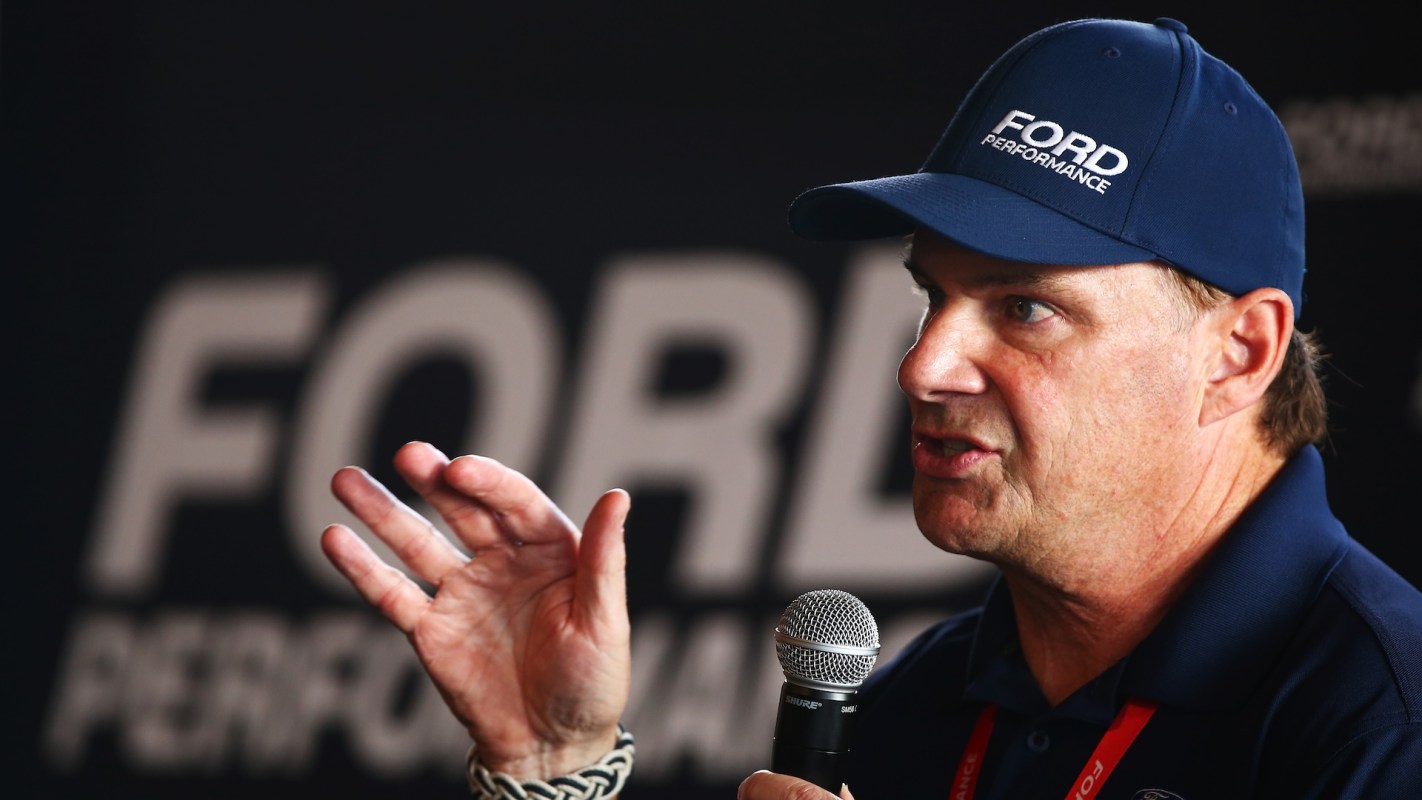
Ford CEO Jim Farley didn't mince words about what could happen if Chinese automakers are allowed to do business in the United States.
"Manufacturing is the heart and soul of our country, and for us to lose that to those exports would be devastating to our country," Farley said on Fox and Friends, as Bloomberg reported.
Right now, 100% tariffs on China's electric vehicles shield Ford and other automakers from that potentially bleak picture. You don't have to look far, though, to see those EVs taking off around the world.
In Mexico, BYD is exploding as consumers flock to showrooms to land the low-priced vehicles. A new trade agreement between Canada and China also means America's northern neighbor will likely be flush with Chinese EVs.
American consumers would generally benefit from Chinese cars coming to the U.S., especially in the short term by driving prices down, but seeing that happen in Canada set off warning bells for Farley.
"I sure hope we don't allow them to come across the border," he said.
TCD Picks » Quince Spotlight
💡These best-sellers from Quince deliver affordable, sustainable luxury for all




Farley emphasized that the substantial funding being directed to Chinese companies gives them the power to significantly undercut the prices of domestic manufacturers. That certainly gives Chinese vehicles huge drawing power when they take on competitors in Europe and elsewhere.
Another issue Farley brought up is how China could use the cars for nefarious means. He pointed out that these vehicles possess a lot of cameras, which could pose a national security threat if China uses the treasure trove of data from drivers.
Farley's comments put into focus the complexities of globalization and EV adoption.
While getting access to Chinese cars with advanced charging capabilities and impressive tech at low prices would be a massive win for American drivers, the development may come with drawbacks for the domestic auto industry.
|
Which of these savings plans for rooftop solar panels would be most appealing for you?
Click your choice to see results and earn rewards to spend on home upgrades. |
 Save $1,000 this year 💸
 In January, President Donald Trump tried to thread the needle with a scheme wherein Chinese brands could build plants in the United States if they hired Americans, as Automotive News reported.
At the time, Bloomberg revealed that Farley told the administration that any agreement should require a joint venture in which U.S. automakers maintained controlling stakes.
His recent comments reveal that Farley continues to be wary of anything but a controlled plan for China's potential entry into the American auto market, given the advantages Chinese companies have with government funding, vertical supply chains, and cheaper labor.
"There is no way this is a fair fight," he said.

Get TCD's free newsletters for easy tips, smart advice, and a chance to earn $5,000 toward home upgrades. To see more stories like this one, change your Google preferences here.






