


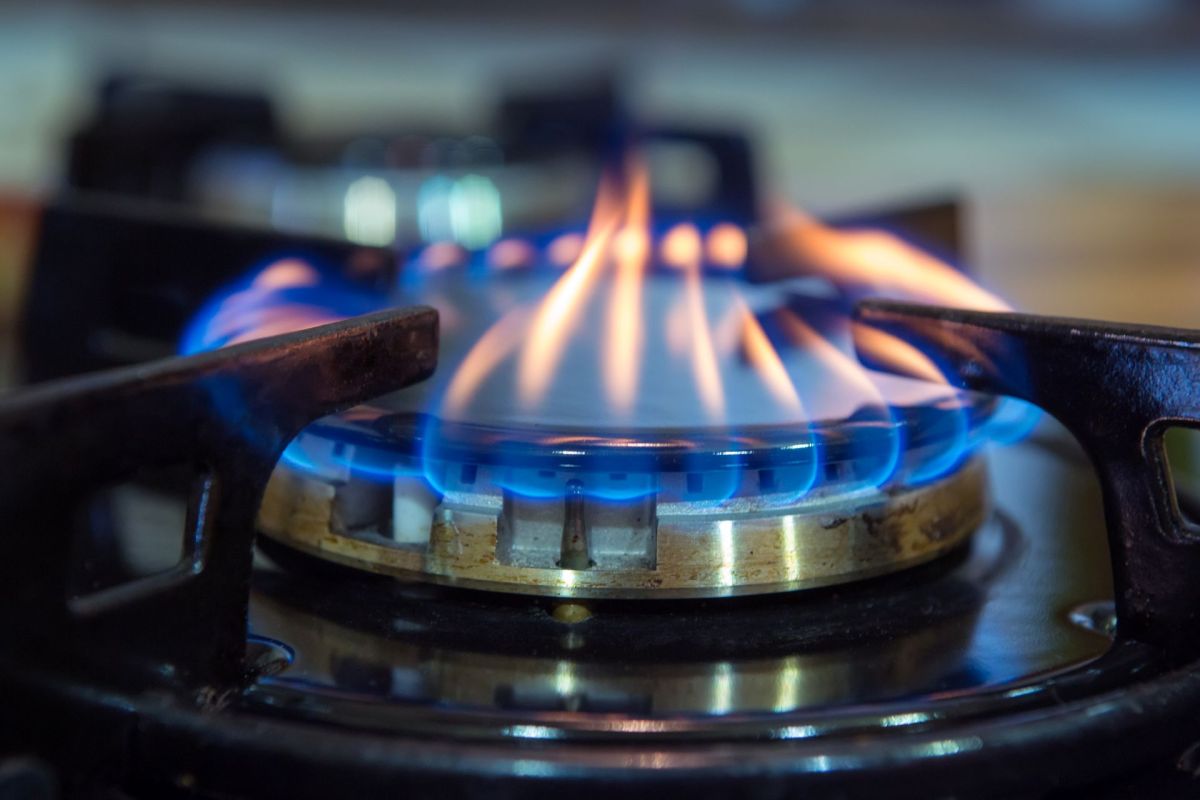
New York City is taking an important first step toward a large-scale move away from gas stoves.
According to Inside Climate News, a $32 million initiative to electrify cooking appliances is underway, with a test batch of induction cooktops going into 100 housing units.
State agencies will monitor the performance of these stoves over the next year, with plans to expand to 10,000 public housing units. This switch is expected to improve indoor air quality by reducing exposure to dangerous pollutants, such as nitrogen dioxide.
Researchers have linked those pollutants with respiratory issues, such as asthma, which can be an especially large problem in the areas where these stoves are going in. Gas stoves in smaller homes and units are especially worrisome.
In Hunts Point, where one of the early stoves was installed, child hospitalization rates for asthma are double the city's average, per Inside Climate News. The switch from gas stoves will thus be especially significant for neighborhoods facing high asthma rates and environmental justice challenges.
Another benefit of getting off gas is avoiding shutoffs caused by aging gas mains. When leaks occur, buildings have to deal with lengthy outages.
TCD Picks » Quince Spotlight
💡These best-sellers from Quince deliver affordable, sustainable luxury for all




While general power outages remain a concern, the stovetops come equipped with remedies for that, too. The devices, built by Copper, can also tackle blackouts that often hit the city in winter during extreme cold and snow events, thanks to built-in batteries.
Joshua Land, the chief development officer for Copper, said the stove's battery can cook around two whole chickens or 150 cups of soup during an outage. Another added bonus of the induction stoves is that they work with standard 120-volt wall outlets.
That functionality is a key part of a similar initiative to roll out heat pumps into public housing. All of these moves are designed to get New York to its goal of electrifying the city.
Work remains to be done to ensure that the grid can support all of the new demand, but there's no question that efficient appliances can only help. More clean energy projects also play a big role, provided the grid is updated accordingly.
"You need to have the transmission lines, the substations, and all the things that are needed to make the electrical system work," Jonathan Buonocore, a professor at Boston University, told Inside Climate News.
|
Which of these savings plans for rooftop solar panels would be most appealing for you?
Click your choice to see results and earn rewards to spend on home upgrades. |
 Save $1,000 this year 💸
Get TCD's free newsletters for easy tips to save more, waste less, and make smarter choices — and earn up to $5,000 toward clean upgrades in TCD's exclusive Rewards Club.






