


Whether it be by land, air, or sea, the way we travel has remained largely the same for decades, but that could change very soon. Although some differences will be more noticeable to frequent travelers than to others, many high-tech breakthroughs are changing the way we get around.
1. High-tech highway projects
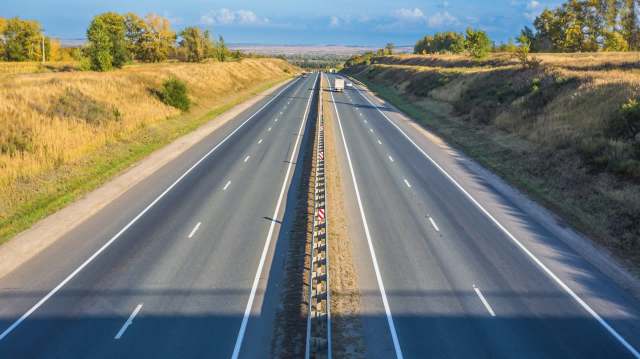
Electric vehicle infrastructure in Florida is in the process of getting a major glow-up. The Central Florida Expressway Authority broke ground on the State Road 516 project in 2024, and work is expected to continue through 2029.
When finished, the expressway will boast awesome updates like solar-powered features and the ability to charge EVs as they drive, easing range anxiety and eliminating the need to stop to recharge. These features could even boost EV sales in the state.
Read more →
Enjoy your best summer vacation yet with these last-minute getaways With Hilton, you can find a hotel that matches your mood — whether you're recharging at the beach, exploring natural beauty, or traveling with your crew. Enjoy vibrant summers in Hawaii, weekend trips in major cities, and even extended itineraries at adventurous sites like Moab's desert canyons. Plus, with all-inclusive offers you can book last-minute and dive into vacation mode right away. Learn more → |

2. Easing airport chaos
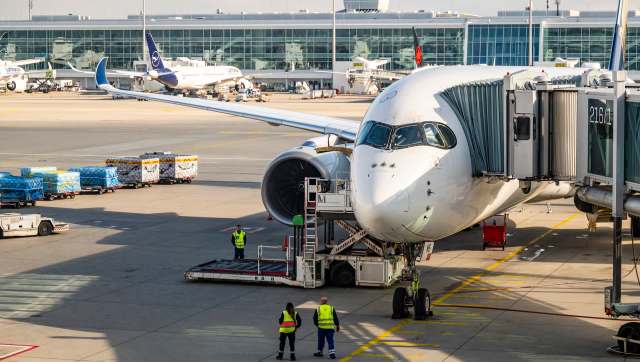
Airports can be chaotic, but the Auto-DollyTug could soon make things run more smoothly and efficiently. The all-electric autonomous vehicle can load and unload luggage containers, easily maneuver in tight spaces, and even drive sideways. The Auto-DollyTug would be a welcome sight at many airports that are experiencing delays due to staffing shortages.
But Aurrigo, the company behind the Auto-DollyTug, isn't done yet. The company is currently developing larger autonomous cargo haulers and autonomous shuttles for passengers and crews.
Read more →
3. Faster and cleaner ferries
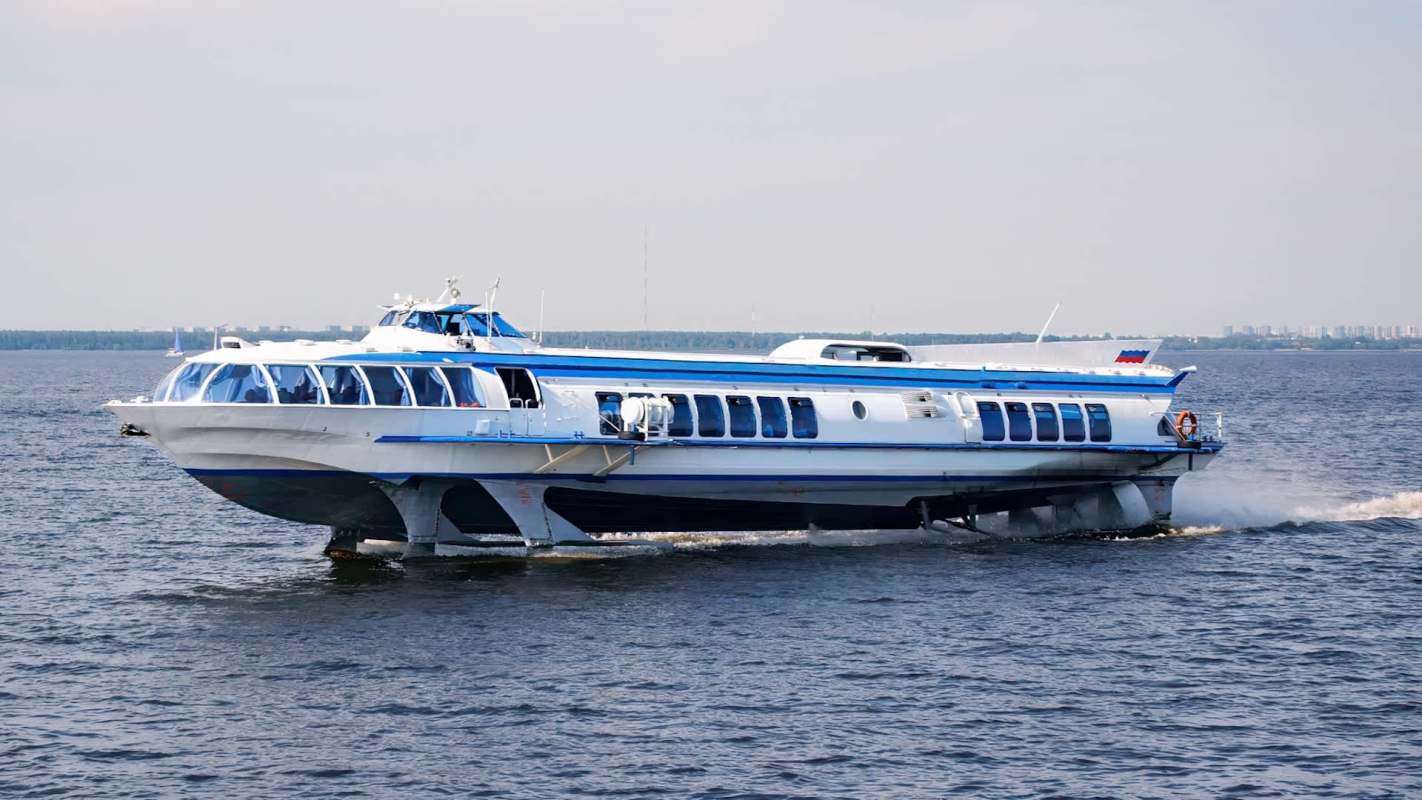
Traditional boats cause drag as they move through the water, significantly increasing travel time and the amount of fuel it takes to reach their destination. Electric hydrofoil ferries, on the other hand, don't have either of those issues.
A hydrofoil raises the hull above the water and reduces drag by up to 80%, reducing travel time, and the fact that the ferries are electric eliminates fuel consumption and the resulting pollution. On top of that, rides are smoother and quieter.
Read more →
4. The future of aviation fuel

The aviation industry produces a massive amount of carbon pollution every year, but those days may be numbered as researchers are working on finding alternatives to traditional fuels. Scientists in Sweden have presented hydrogen-powered aircraft designs, and in 2024, a company unveiled the world's first all-electric commuter plane.
But the fuel source with the biggest impact could be everyday trash. Researchers are working on converting food scraps and packaging into commercial jet fuel, reducing carbon pollution and the amount of trash heading to overflowing landfills.
Read more →
5. A new kind of gas station

Many gas stations are modernizing to keep up with the growth of electric vehicle sales. It's not uncommon to find gas stations with high-speed EV chargers, and some have even installed solar panels to provide that extra energy.
On top of that, many hotels, stores, and other businesses have chargers available. Even the way we pay to charge may soon change. The majority of EV owners charge at home, but the growing availability of public chargers could give peace of mind to potential EV buyers.
Read more →
Bonus travel tips: TCD-partner brand Hilton operates via the guiding principle of Travel with Purpose to make a positive impact. That means Hilton is always aiming to create more sustainable stays for guests — by focusing on energy efficiency, reducing water and waste, promoting biodiversity, and sourcing products responsibly.
For example, the brand reports it has saved 3.9 million meals from ending up in landfills across nearly 200 hotels to date, and the Hilton Global Foundation invested more than $7.3 million into projects building a better world for travel in 2024 alone. These actions offer place-based solutions that travelers and vacationers can feel good about.
|
Which of these savings plans for rooftop solar panels would be most appealing for you?
Click your choice to see results and earn rewards to spend on home upgrades. |
 Save $1,000 this year 💸
Get TCD's free newsletters for easy tips to save more, waste less, and make smarter choices — and earn up to $5,000 toward clean upgrades in TCD's exclusive Rewards Club.






