


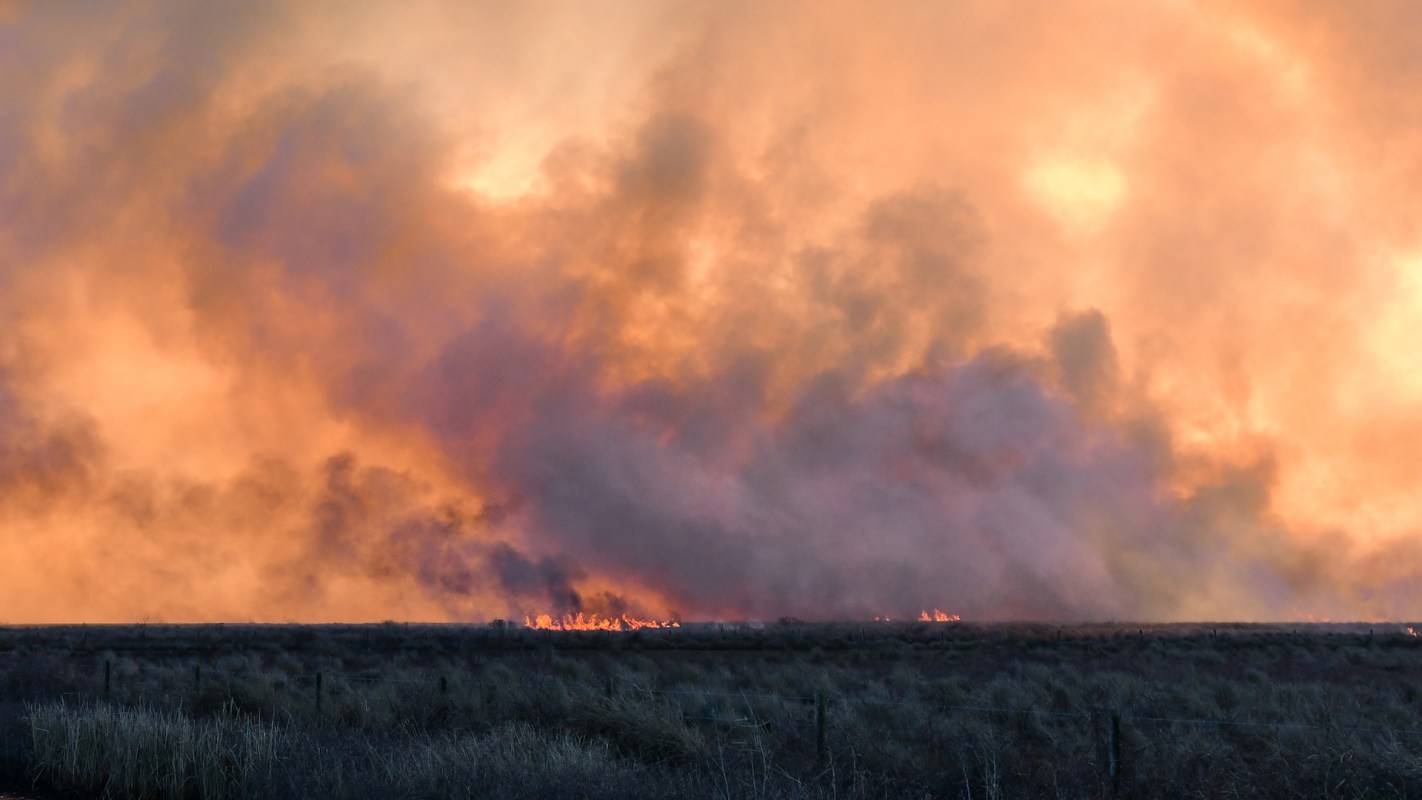
Wildfires are often associated with downed power lines, but what about when it starts from items being thrown out from businesses and homes? The Dahlberg Fire in Colorado's Douglas County burned more than 1,000 acres, required "multi-agency effort," and it all started with trash, as reported by CBS Colorado.
What's happening?
According to the report, the fire quickly spread southeast due to dry grass in combination with high winds. Seventeen homes were evacuated as the fire moved across 1,801 acres.
The Douglas County Sheriff's Office firefighters announced they reached 100% containment about four hours after the fire started and lifted the evacuation order. They added that more than two dozen agencies assisted in firefighting and evacuation efforts, including local fire districts, state agencies, and the U.S. Forest Service.
"It has been fully contained after burning 1,081 acres. Investigators have determined the cause of the fire was a hot load dropped by a trash truck," the sheriff's office wrote in a statement on X.
According to the CBS report, "hot loads" can occur when materials like hot ashes, gasoline, paint, propane tanks, lithium batteries, or cooking oil are ignited inside a truck. This problem has intensified as more people around the world are improperly disposing of the growing amounts of e-waste.
Why are trash-born wildfires concerning?
In this case, the fire was entirely preventable, as putting combustible material inside a trash load can lead to fires.
TCD Picks » Quince Spotlight
💡These best-sellers from Quince deliver affordable, sustainable luxury for all




Large wildfires that require substantial resources, especially when preventable, have become more concerning, as groups like NOAA say that increasingly hotter and drier conditions also increase wildfire risk. When vegetation is dried out, it acts as fuel during fire season, so much so that nighttime fires have become more persistent in some regions as droughts intensify.
Additionally, non-native vegetation can also contribute to increased fire intensity because of the way certain plants burn, like invasive eucalyptus trees in California landscaping.
What's being done about these risks?
There are ways to reduce these risks individually.
If you're interested, you can educate yourself about greenwashing to make sure you're supporting companies that recycle hazardous materials responsibly when they say they are. Then, learning how to plant native vegetation can help create landscapes that are more resilient during these events.
Plus, taking local action can help you support proper battery recycling programs and advocate for safer waste management policies in your community. And when it comes to e-waste, you can learn ways to repurpose and recycle (or sell) old electronics and items that are made with hazardous materials to reduce the buildup in landfills.
|
Which of these savings plans for rooftop solar panels would be most appealing for you?
Click your choice to see results and earn rewards to spend on home upgrades. |
 Save $1,000 this year 💸
Get TCD's free newsletters for easy tips to save more, waste less, and make smarter choices — and earn up to $5,000 toward clean upgrades in TCD's exclusive Rewards Club.






