


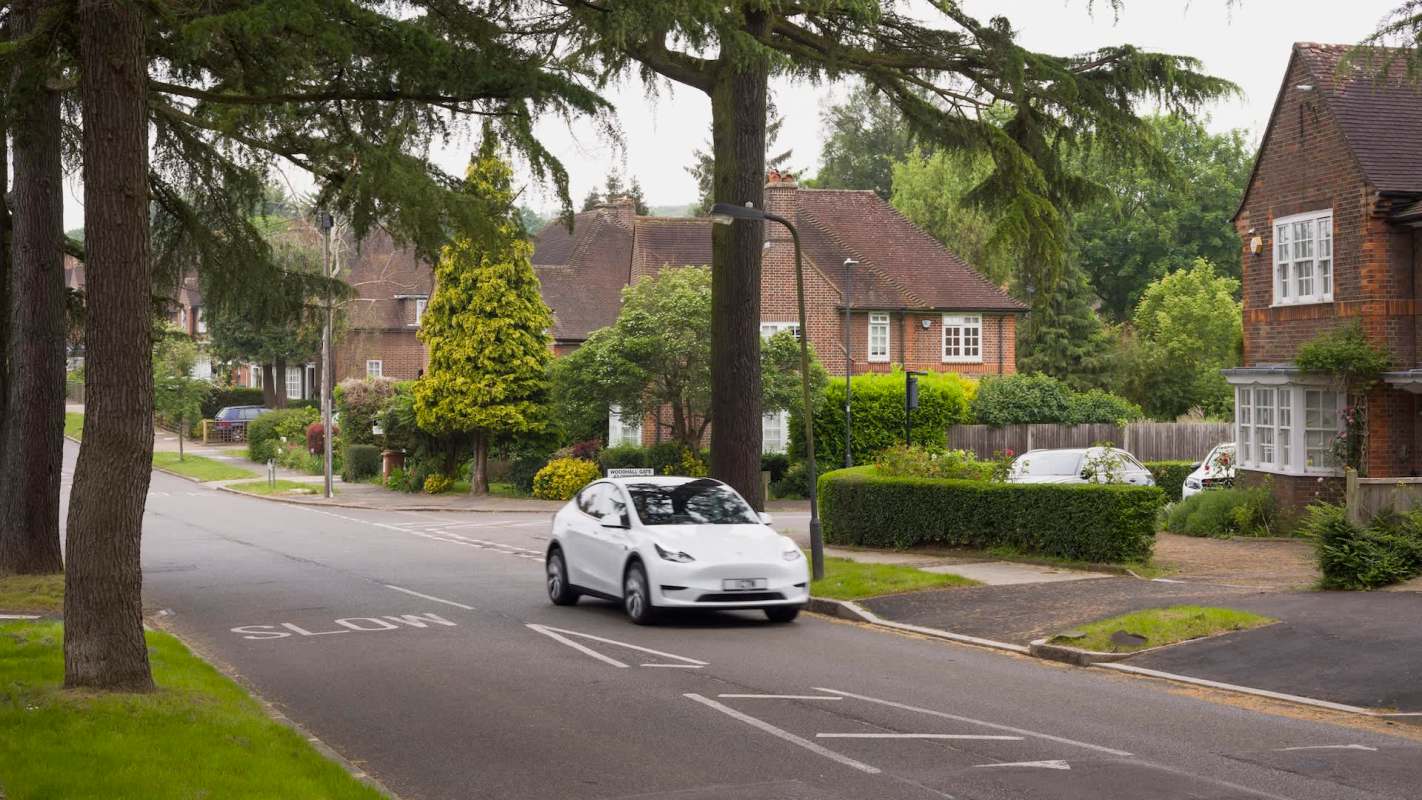
Tesla's once-dominant customer base is shrinking as the electric vehicle marketplace grows.
What's happening?
Bloomberg reported that Tesla sales declined 9% worldwide in 2025, with U.S. sales falling 7% from the prior year. In California, the company's largest U.S. market, Teslas dropped from 11.6% of all newly registered vehicles in 2024 to under 10% in 2025, per the California New Car Dealers Association.
Former owners cite a mix of factors: polarizing leadership, aging vehicle models, inadequate customer service, and increased competition. More than 100 EV models are now available in the U.S., according to Argonne National Laboratory.
"Back then, the brand was more than just the vehicle," Tom Libby, a consultant at S&P Global Mobility, told Bloomberg. "It was perceived as a leader, and the vehicles themselves were leading-edge EVs, although they are not necessarily at the forefront anymore."
Tesla's brand value dropped to $27.61 billion in 2025, down 36% from 2024, according to Yahoo Finance, with China's BYD now the best-selling EV manufacturer in the world.
Why is this shift important?
Tesla's struggles may signal that the EV market is maturing, as more than two-thirds of consumers who leave Tesla switch to another EV, per S&P Global, meaning most former Tesla owners aren't going back to gas as the company shifts its focus to robots.
TCD Picks » Quince Spotlight
💡These best-sellers from Quince deliver affordable, sustainable luxury for all




As of 2024, over 20% of new cars sold worldwide were EVs, according to the International Energy Agency, with Chinese EVs making up more than half of all sales. Legacy automakers, along with newer brands like Rivian and BYD, are producing compelling, reliable alternatives, and consumers are noticing.
This Tesla exodus isn't a new pattern. Rising Tesla insurance rates have pushed drivers toward other EVs, and a survey found that Elon Musk became a top reason drivers were getting rid of their Teslas in 2023 — yet most of those drivers still chose to stay electric.
EVs produce zero tailpipe pollution, meaning less planet-warming pollution in the air that communities breathe every day. Even when accounting for the electricity used to charge them and the minerals needed for their batteries, EVs generate significantly less pollution over their lifetimes than traditional cars, and that gap is widening as more of the electrical grid shifts to wind and solar power.
What's being done about this?
A competitive EV market ultimately benefits consumers and the environment. More options mean more innovation, better pricing, and a faster transition away from gas-powered vehicles.
Car shoppers have more reliable, well-reviewed options than ever, from Hyundai and Audi to Rivian and beyond. Doing your research before buying your next EV by factoring in insurance costs, service availability, and long-term reliability can make a big difference.
|
Which of these savings plans for rooftop solar panels would be most appealing for you?
Click your choice to see results and speak your mind. |
 Save $1,000 this year 💸
Get TCD's free newsletters for easy tips to save more, waste less, and make smarter choices — and earn up to $5,000 toward clean upgrades in TCD's exclusive Rewards Club.






