


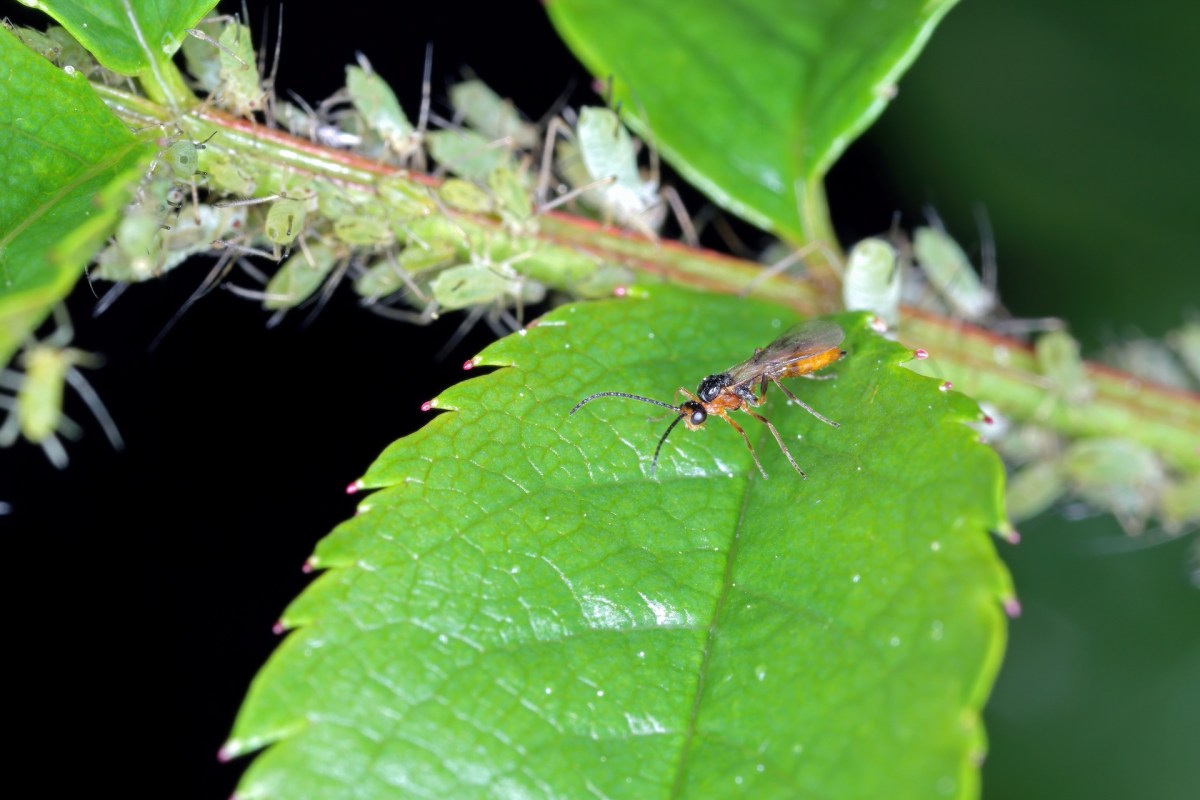
New research suggests warming temperatures may weaken some of nature's most important pest controllers.
What's happening?
A study published in Ecology Letters looked at how rising temperatures affect parasitoids, small insects that lay their eggs inside other insects. These parasitoids play a major role in keeping pest populations under control.
Researchers examined 28 different parasitoid and host interactions and compared results under normal conditions versus temperatures warmed by about four degrees. The results showed that under hotter conditions, parasitoids were far less likely to develop successfully. They also became more limited in what host species they could use.
Meanwhile, the host insects themselves were much less affected by the heat. That mismatch is part of what makes the findings so concerning.
"Given their tropical origin, one might expect them to cope well with higher temperatures, but that is not the case. It is therefore likely that this is not an exception, but a general biological phenomenon," said lead author Jan Hrček from the Biology Center of the Czech Academy of Sciences.
Why are parasitoid behaviors important?
Parasitoids act as a natural pest management system. When they are healthy and abundant, they help keep herbivorous insects from exploding in numbers. That benefits ecosystems and also reduces pressure on farms.
TCD Picks » Quince Spotlight
💡These best-sellers from Quince deliver affordable, sustainable luxury for all




If warming temperatures weaken parasitoids, the balance shifts. More pests could survive. More crops could be damaged. Farmers could feel pushed toward heavier pesticide use, which comes with its own environmental and health concerns.
This is also a reminder that the changing climate does not just threaten individual species. It can also disrupt the relationships between them.
These effects ripple outwards to communities. In this case, higher pest pressure can raise food costs and increase stress on local agriculture. It can also make backyard gardening and urban greening efforts harder, especially in places already dealing with heat waves.
What's being done about parasitoid behavior?
The most direct solution is still the big one. Cutting harmful gas pollution reduces the warming that is driving these changes in the first place.
|
Which of these savings plans for rooftop solar panels would be most appealing for you?
Click your choice to see results and speak your mind. |
 Save $1,000 this year 💸
 But there are also practical ways communities can respond right now. Conservation and land management strategies that support insect biodiversity can help. In addition, pesticide reduction strategies that avoid wiping out beneficial insects along with pests can also be helpful.
Farmers are already experimenting with integrated pest management approaches that rely more on natural controls. These include crop diversity, habitat strips for beneficial insects, and timing interventions more carefully.

Get TCD's free newsletters for easy tips to save more, waste less, and make smarter choices — and earn up to $5,000 toward clean upgrades in TCD's exclusive Rewards Club.







