



One question is on just about everyone's mind these days: Why are my electricity costs so high?
Jigar Shah, a former U.S. Department of Energy official hailed by one YouTuber as "the founding father of residential solar," joined EnergySage's "Plugged In" for an illuminating conversation on what's happening to our energy infrastructure and what that means for you.
What is causing energy costs to rise?
While solar and wind power are frequently blamed for rising utility rates, as well as blackouts, the problem isn't inherently with clean energy.
As The Cool Down has previously covered, there are nuanced reasons why the country's electric grid is in trouble, including swaths of infrastructure nearing the end of their lifecycles, thus requiring upgrades and reimagination.
Early in his conversation with Plugged In, Shah also zeroed in on the difference between energy generation and distribution. In short, after we generate electricity, we need to distribute that power — and therein lies a crucial reason why rates are on the rise, not solar.
"When you look at your electricity bill — which is what most people care about, right? — it's not the generation part that's been going haywire. It's the distribution part," Shah began.
"Distribution used to be 20% of your bill. Today, it's 50% of your bill," he continued. "And so now the question becomes, 'Why is your distribution cost going up so much?' And it's because people are buying all sorts of things that use electricity. … The utility says, 'We need to update the distribution grid so that you can do whatever you want.'"
In fact, going solar is one of the best ways to save money on home energy, enhance the benefits of electrification, and protect yourself from grid outages. EnergySage's free tools make it quick and easy to obtain competitive solar installation estimates from trusted installers.
Save $10,000 on solar panels without even sharing your phone number Want to go solar but not sure who to trust? EnergySage has your back with free and transparent quotes from fully vetted providers that can help you save as much as $10k on installation. To get started, just answer a few questions about your home — no phone number required. Within a day or two, EnergySage will email you the best local options for your needs, and their expert advisers can help you compare quotes and pick a winner. |

Why is electrification important?
Electrification benefits public health because it reduces air pollution associated with millions of annual premature deaths and chronic disease. According to Shah, a "cultural shift on the part of residential solar" could help with the electrification transition while keeping a cost shift exceedingly minimal, which he explains is already "far smaller than some people are suggesting."
He believes the battery attachment rate for solar should be 100% so that "those batteries can help with this situation of reducing the cost of rampant distribution system upgrades."
How solar and battery storage help consumers
How much you save with solar and battery storage will depend on your setup, energy usage, and local net-metering regulations, but you could bring your energy bills down to $0.
If you're interested in getting started, EnergySage can save you up to $10,000 on your solar installation. Its free mapping tool provides insight into the average cost of solar in each state and can help you discover which incentives you qualify for, helping you snag the best deal.
More From EnergySage
💡Go deep on the latest news and trends shaping the residential solar landscape

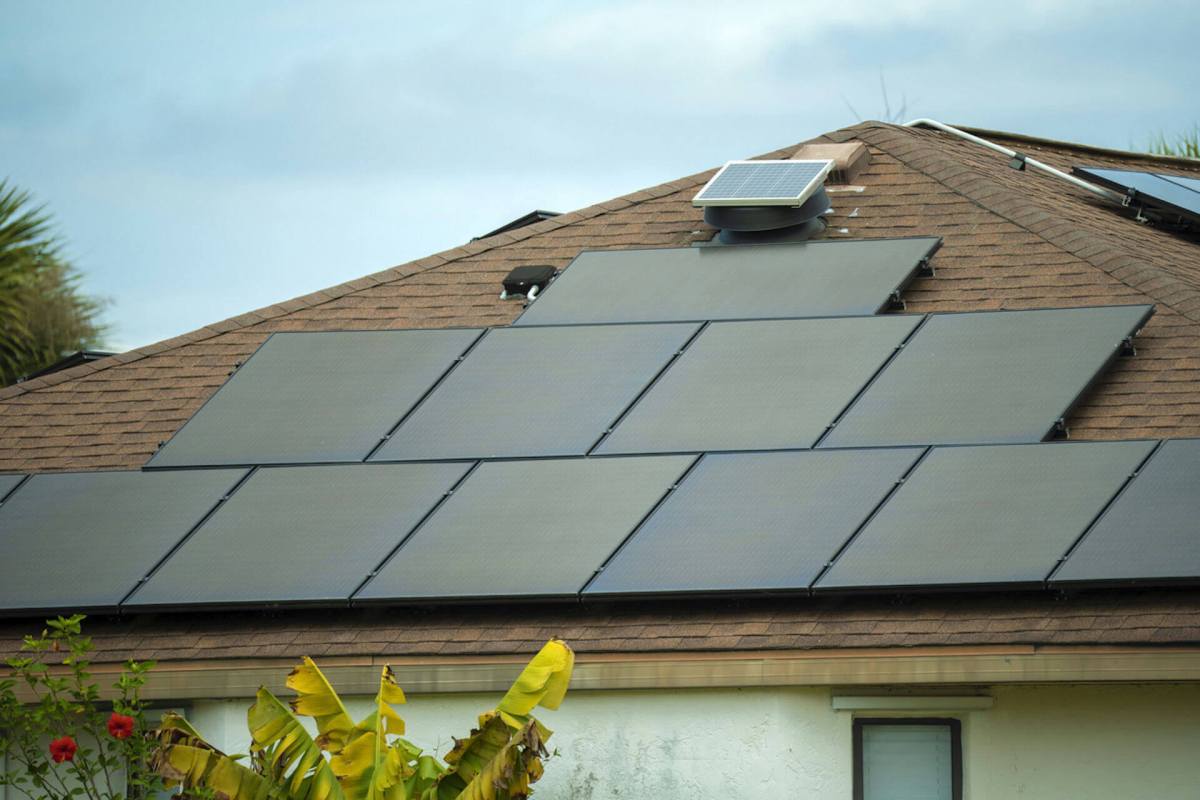

EnergySage also has free tools to help you understand your battery storage options and determine whether going off-grid is right for you. Plus, pairing solar with battery storage will give you peace of mind knowing your power will stay on in the event of a blackout.
|
What's the most you'd pay per month to put solar panels on your roof if there was no down payment?
Click your choice to see results and speak your mind. |
 $200 or more 💰
Get TCD's free newsletters for easy tips to save more, waste less, and make smarter choices — and earn up to $5,000 toward clean upgrades in TCD's exclusive Rewards Club.






