


While rising sea levels worldwide may seem like a distant threat to those living in continental interiors, frequent saltwater intrusion is an imminent threat in several coastal regions.
What's happening?
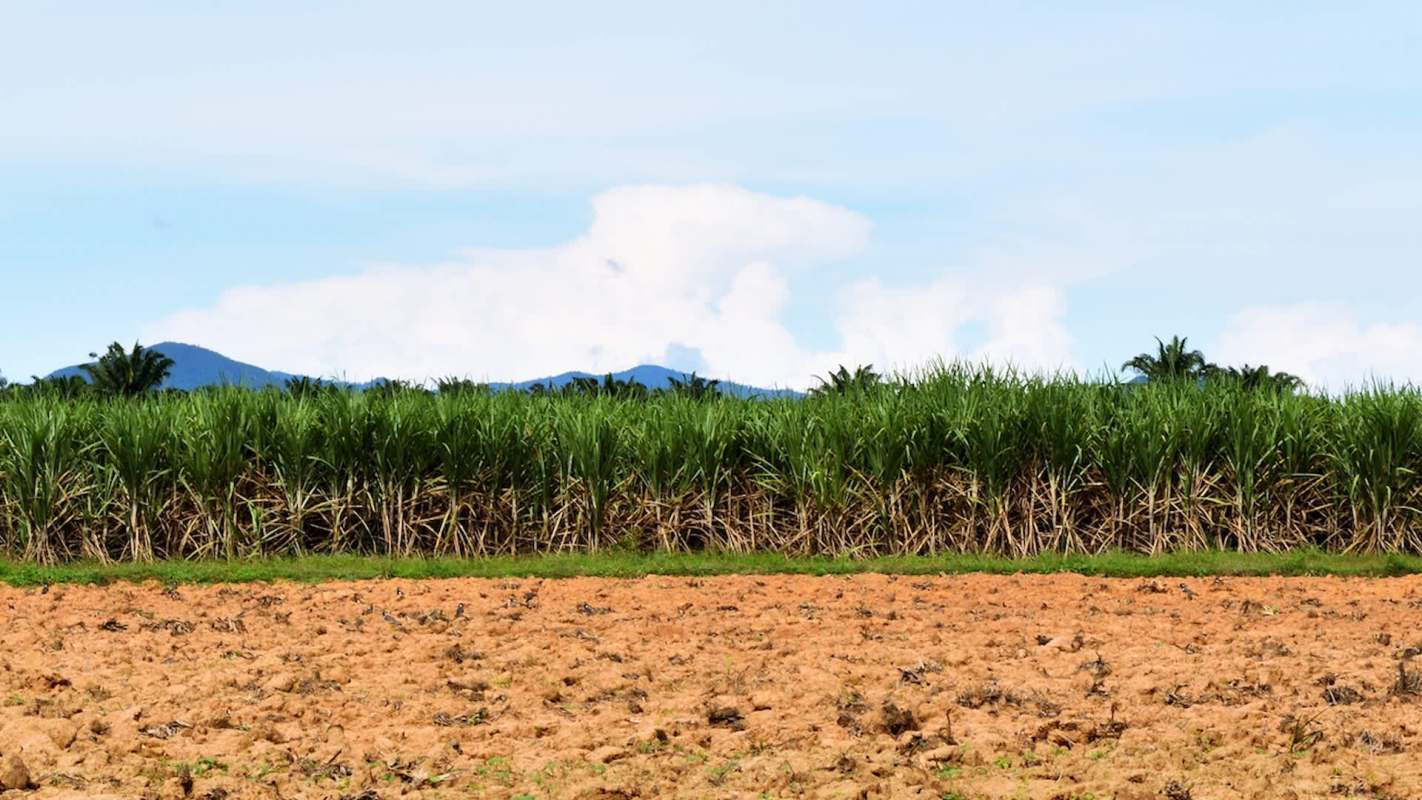
Farmers in Macuata, one of Fiji's northern provinces on the island of Vanua Levu, are fighting to sustain their livelihoods as repeated saltwater inundations from the South Pacific ravage their crops.
According to FBC News, sugarcane supply in particular is suffering the worst of it, as daily high tides have begun eroding the shoreline and flooding sugarcane crop fields.
It's not a new development, either. With decades of persistent, rising temperatures and Pacific sea levels inching higher, farmers in Macuata's Wailevu district have been suffering from the effects of saltwater intrusion for quite some time.
Unfortunately, local authorities have been slow to act.
"Seawater comes inside and our sugarcane dries up and is finished," one farmer told FBC. "We keep complaining, but there is no proper solution."
TCD Picks » Quince Spotlight
💡These best-sellers from Quince deliver affordable, sustainable luxury for all




Why is this concerning?
Rising South Pacific waters have a direct impact not only on Fiji's agricultural terrain, but also on the livelihood of its farmers and the nation's overall economy.
The disruption of sugarcane — one of Fiji's key exports to the rest of the world, according to the World Bank — could cost the country tens of millions of dollars each year.
Agricultural and economic damage aside, rising sea levels pose a major threat to civilian safety in coastal regions, with many Fijians and other South Pacific islanders having to relocate entirely due to submerged shorelines and constant flooding.
While rising seas are primarily caused by melting ice sheets at the poles, they have trickle-down effects worldwide.
|
What's the most you'd pay per month to put solar panels on your roof if there was no down payment?
Click your choice to see results and speak your mind. |
 $200 or more 💰
 In other words, it's not just Fiji, and it's not just the South Pacific — coastlines across Europe, Asia, and even the U.S. are in similar danger, particularly since fuel-burning industries and other human-driven activities have shown little indication of slowing down.
What's being done about rising sea levels?
In Wailevu, farmers are putting pressure on their local government to fortify flood infrastructure, but at the current rate of sea-level rise, that's only a temporary fix.
In the coming years, Fiji's farmers may have to relocate further inland to cultivate a viable sugarcane crop yield.
Lasting, long-term solutions must address the root causes of human-driven pollution and climate change.
Globally, even simple eco-conscious choices, like upgrading your appliances to energy-efficient models and choosing public transit over a private combustion vehicle, can make a difference.

Get TCD's free newsletters for easy tips to save more, waste less, and make smarter choices — and earn up to $5,000 toward clean upgrades in TCD's exclusive Rewards Club.







