


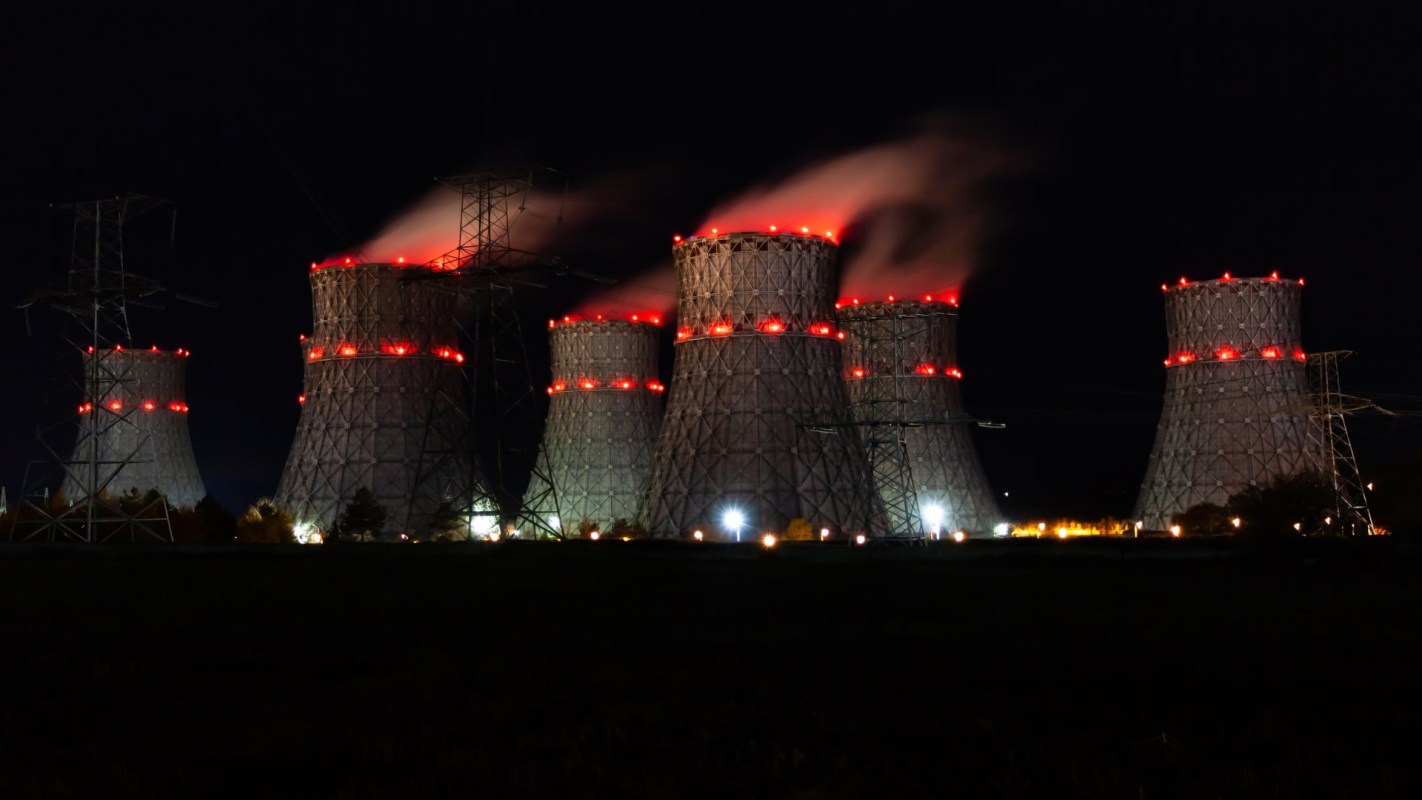
There's a political battle unfolding in Scotland over a new charge critics are calling a "nuclear tax" — a levy that could leave Scottish households paying for nuclear construction projects hundreds of miles away.
At the center of the dispute is England's Sizewell C nuclear power station, a project that has ballooned beyond its original budget and is raising questions about who should foot the bill.
What's happening?
According to The National, Scottish lawmakers are raising alarms over a levy introduced by Westminster to help fund the plant in Suffolk, which is now projected to cost £38 billion ($51.9 billion) — nearly double its original estimate of £20 billion ($27.3 billion).
Scottish bill payers could contribute around £300 million ($409.3 million) over the next decade even though the plant is being built in England.
The Scottish National Party has criticized Labour leadership for not opposing the tax, arguing that residents are paying for a project they did not approve and may never directly benefit from. "Your support for these projects in Scotland would see us exposed to colossal financial risk and undermine our renewables future," SNP lawmaker Graham Leadbitter said.
However, Labour representatives argue that nuclear power is an important part of the United Kingdom's long-term energy mix. Gregor Poynton has said Scotland risks missing out on jobs and investment by turning away from new nuclear technologies such as small modular reactors.
TCD Picks » Quince Spotlight
💡These best-sellers from Quince deliver affordable, sustainable luxury for all




Why is this important?
Nuclear power can generate large amounts of electricity with relatively low pollution, making it appealing as a stable energy source. But it also comes with drawbacks, including hard-to-store radioactive waste, long construction timelines, safety concerns, and exceptionally high upfront costs.
In this case, critics warn that high costs could fall on households already facing high energy bills. Supporters counter that without nuclear power, governments may struggle to maintain reliable power supplies as they move away from polluting fossil fuels such as gas.
Scotland already produces more electricity than it uses and has focused heavily on renewable sources such as wind and hydro. Officials argue that diverting funds toward expensive nuclear projects could slow investment in cleaner, faster-to-build alternatives. Scottish Cabinet Secretary for Climate Action and Energy Gillian Martin also pointed out that "with the right support, Scotland's low-carbon and renewable energy sector could support nearly 80,000 jobs by 2050."
What's being done about it?
Large infrastructure projects — whether nuclear, renewable, or fossil-based — come with complex financial and political consequences. For residents, the outcome could shape not only energy bills but also how future power systems are funded — and who pays for them.
Scotland has reiterated its position against new nuclear development, emphasizing investment in renewables that can support long-term grid stability without generating radioactive waste. Meanwhile, U.K. officials push forward with nuclear expansion as part of a broader national energy strategy, arguing that a mix of power sources is necessary to meet future demand.
|
What's the most you'd pay per month to put solar panels on your roof if there was no down payment?
Click your choice to see results and speak your mind. |
 $200 or more 💰
Get TCD's free newsletters for easy tips to save more, waste less, and make smarter choices — and earn up to $5,000 toward clean upgrades in TCD's exclusive Rewards Club.






