


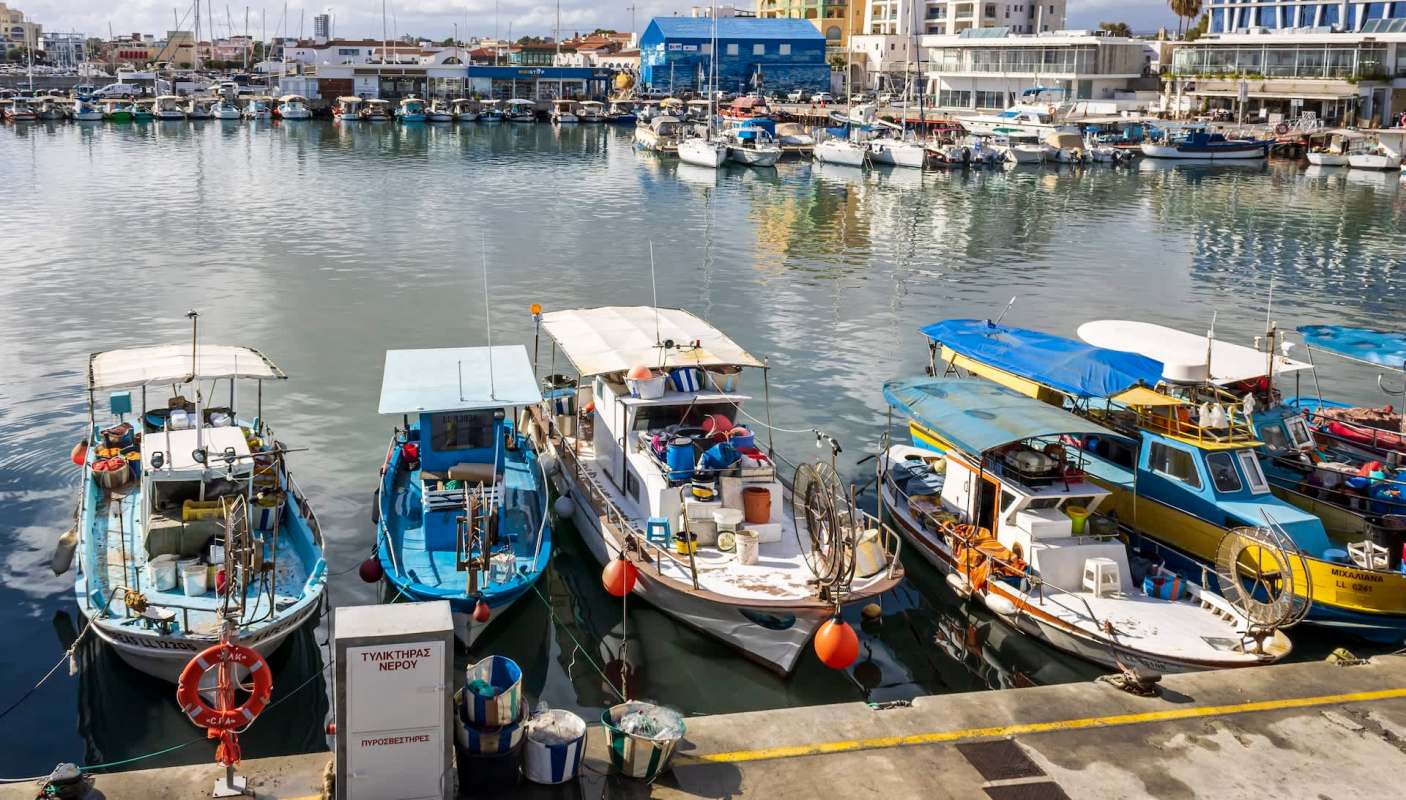
Fishermen and restaurant owners in Cyprus are turning an ecological threat into a culinary opportunity by serving invasive lionfish at local taverns.
For decades, fishing communities along the island's coast earned their income pulling up local favorites: bream, mullet, bass. However, as Phys.org detailed, that changed when Red Sea species started showing up in greater numbers.
Sporting striped bodies and venomous spines, lionfish have spread through the eastern Mediterranean Sea as water temperatures climb. The creatures have also been a problem elsewhere, including in the Gulf of Mexico.
According to Europe's General Fisheries Commission for the Mediterranean, cited by Phys.org, the sea situated between Europe, Africa, and Asia heats up at a rate roughly one-fifth faster than oceans worldwide. Meanwhile, a widened Suez Canal has made it easier for Indo-Pacific species to move into these waters.
The island's fishing community, which numbers around 150 professionals, has watched catches shrink year after year. Photis Gaitanos, a 60-year-old fisherman who has worked the waters near Larnaca for four decades, hasn't pulled up a red mullet in over two years.
"I have been practicing this profession for 40 years," Gaitanos said. "Our income, especially since these two foreign species appeared, has become worse every year."
TCD Picks » Quince Spotlight
💡These best-sellers from Quince deliver affordable, sustainable luxury for all




EU-funded programs offer fishermen about €4.73 ($5.51) for each kilogram of silver-cheeked toadfish they bring in. These inedible fish, which produce a deadly toxin, are destroyed after collection.
Meanwhile, the RELIONMED project has assembled roughly 100 divers who hunt lionfish at underwater sites. The tastiest solution to the invasive fish problem might be the simplest: eat them.
After chefs clip off the venomous spines, lionfish become safe to prepare. The white flesh has a delicate, soft texture. At the fish market by Larnaca's harbor, a lionfish sells for under half the price of sea bass.
Stephanos Mentonis owns a well-known seafood restaurant in Larnaca and now serves lionfish as part of his meze spread. Many diners haven't tried it before, but they enjoy it once they do.
TCD Picks » Quince Spotlight
💡These best-sellers from Quince deliver affordable, sustainable luxury for all
|
Which of these factors would most effectively motivate you to recycle old clothes and electronics?
Click your choice to see results and speak your mind. |
 Giving me money back 💰
 "When they try it, it's not any less tasty than any other fish," Mentonis said.
If you want to help, ask about lionfish next time you're at a seafood restaurant. Choosing invasive species over familiar favorites takes pressure off native fish populations.
"By incorporating invasive species such as lionfish into our diet, we can turn this challenge into an opportunity for the fisheries sector and at the same time help limit the environmental threat caused by these species," said EU Fisheries Commissioner Costas Kadis.

Get TCD's free newsletters for easy tips to save more, waste less, and make smarter choices — and earn up to $5,000 toward clean upgrades in TCD's exclusive Rewards Club.







