A routine inspection in eastern Cameroon has exposed yet another disturbing example of how illegal wildlife trafficking continues to threaten biodiversity and the communities trying to protect it.
What happened?
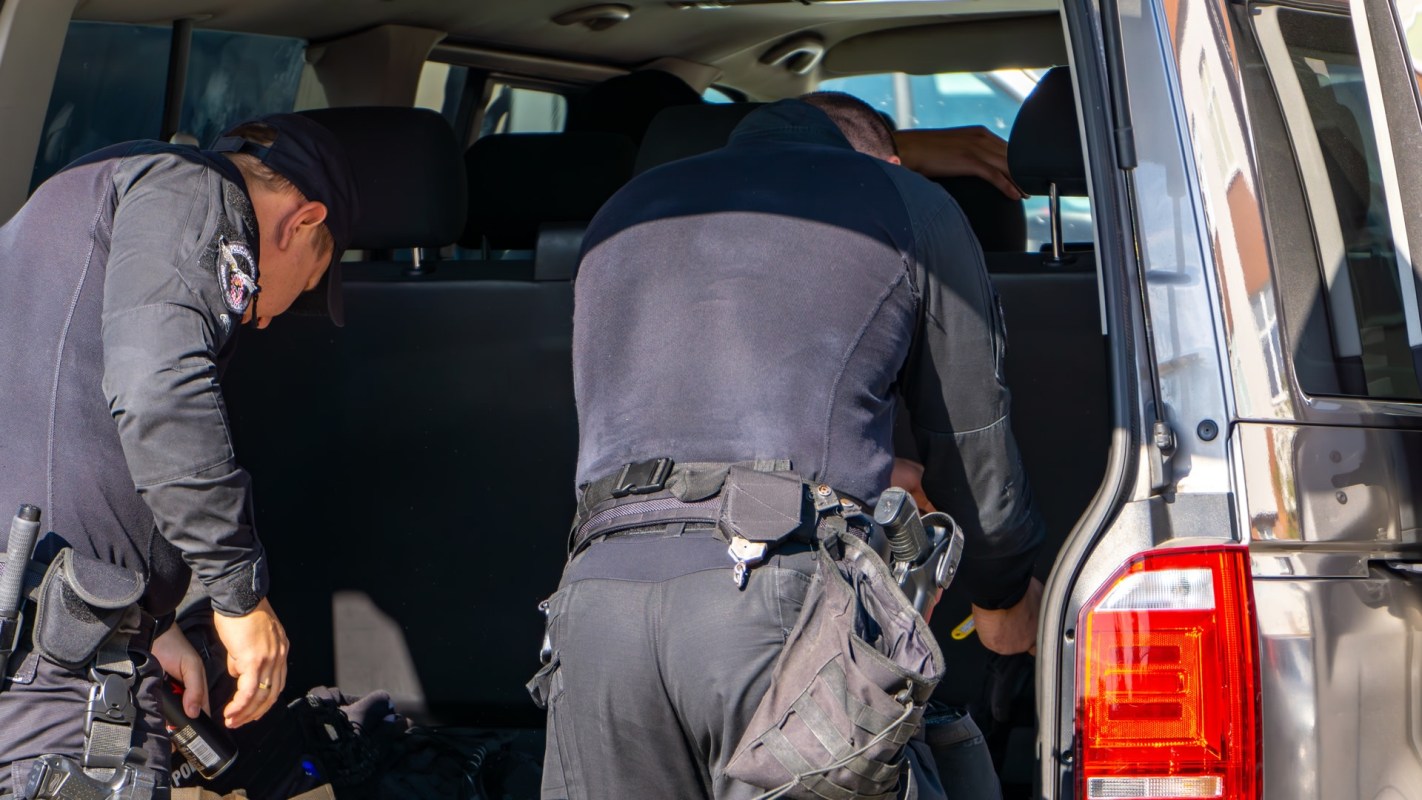
According to StopBlaBlaCam, Cameroonian officials seized 60 African grey parrots during an operation in the city of Bertoua after inspectors uncovered the birds hidden in the trunk of an administrative vehicle during a routine check.
The inspection was carried out by officers from the regional delegation of Forestry and Wildlife, with support from the wildlife crime watchdog The Last Great Ape Organisation. Three suspects were arrested, and authorities believe they are part of a structured trafficking network.
African grey parrots are in high demand due to their intelligence and ability to mimic human speech. The species has been listed under Appendix I of the Convention on International Trade in Endangered Species since 2016, effectively banning international trade.
In Cameroon, laws impose penalties of up to 20 years in prison and heavy fines for offenders who traffic in African greys.
Why is wildlife trafficking concerning?
There is a human cost to animal trafficking. Smuggling networks are typically linked with other major global crimes. They exploit weak enforcement, contribute to corruption, and divert public resources away from education, health care, and sustainable development.
TCD Picks » Quince Spotlight
💡These best-sellers from Quince deliver affordable, sustainable luxury for all




Communities near trafficking hotspots bear the burden, facing increased criminal activity while losing the ecological benefits that healthy wildlife populations provide.
Trafficking can introduce invasive species to areas that end up suffering from unchecked population spread and the ecological imbalance that comes with it. It also destabilizes ecosystems and undermines local livelihoods.
African greys help disperse seeds and regenerate forests, meaning their removal can ripple through entire ecosystems.
Wildlife trafficking is also cruel — for example, one trafficker kept birds crammed in poor conditions in his home, and many animals die in the process.
|
Do you think the construction industry is too wasteful? Click your choice to see results and speak your mind. |
 Definitely 👍
 What's being done about wildlife trafficking?
The rescued parrots are expected to be transferred to the Limbe Wildlife Center, Cameroon's only facility dedicated to the rehabilitation of African grey parrots. There, they will receive care before being released back into the wild.
Authorities say they are strengthening enforcement and cross-agency cooperation to dismantle trafficking networks internationally rather than just intercept individual shipments.
Countries like the Democratic Republic of Congo have passed bans on the capture, transport, and sale of African greys to fight demand from the pet trade.
Conservation groups also emphasize the importance of international coordination, public awareness, and funding for wildlife protection.
While rescues like this one offer hope, experts say that prevention — stopping illegal capture and trade at its source, such as the exotic pet market — is the most effective way to protect both ecosystems and the communities that depend on them.

Get TCD's free newsletters for easy tips to save more, waste less, and make smarter choices — and earn up to $5,000 toward clean upgrades in TCD's exclusive Rewards Club.