


Zebra mussels were recently spotted in a river in Iowa, and the invasive species could cause expensive problems for locals.
What's happening?
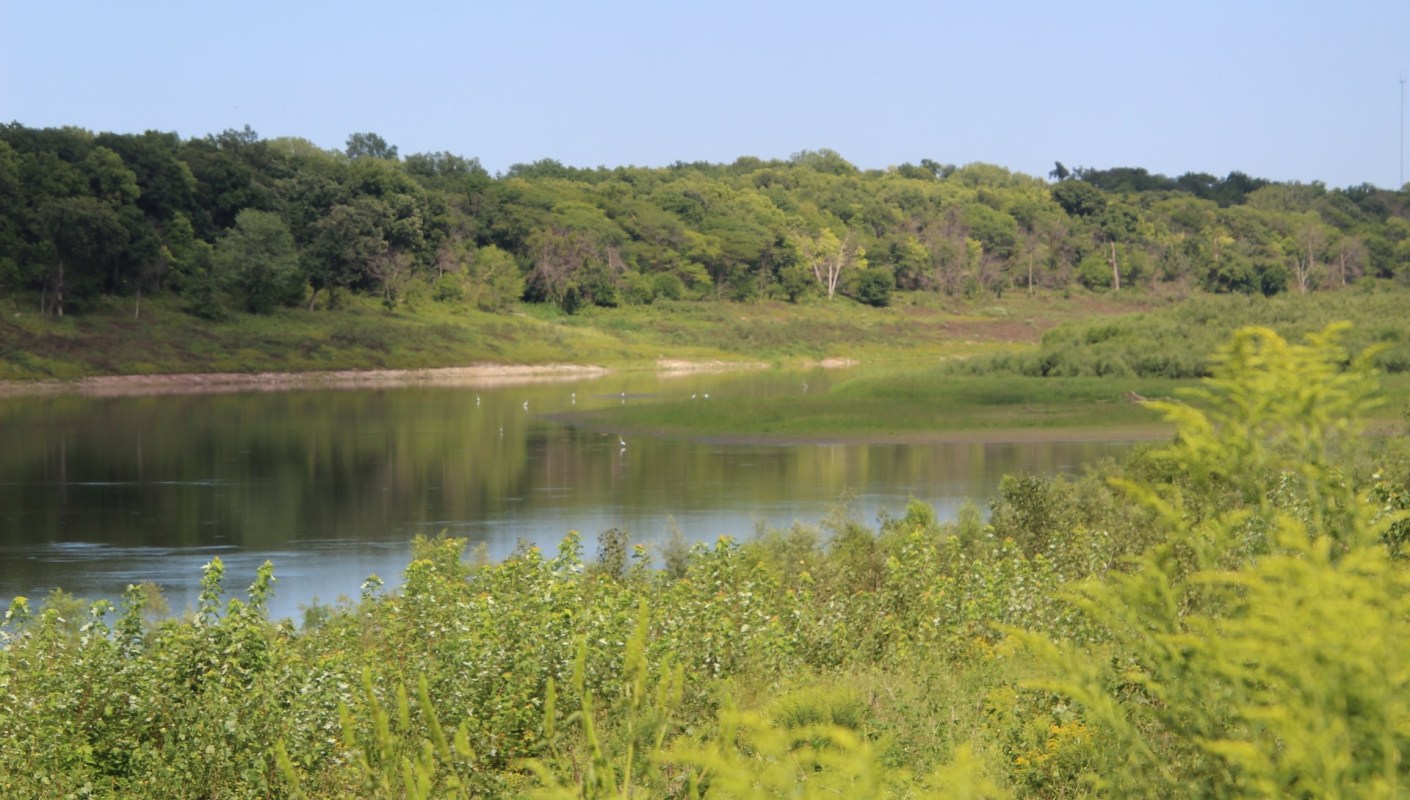
In the Des Moines River, invasive zebra mussels were found by city employees, according to a report by KCCI News. The mussels have slowly been spreading west over the last few decades. They have been in the Mississippi River since the 1990s and in Iowa since 2004.
They cling to the sides of boats and are most commonly spread by boat transport. The freshwater mussel is native to Russia and Ukraine, but is now considered an invasive species in many countries.
"As water is flowing through, all it takes is one to decide to attach there," said Kim Bogenschutz, an aquatic invasive species program coordinator at the Iowa Department of Natural Resources, per KCCI News.
"Then they just start building on top of each other. They don't make a single layer. They make multiple layers."
Why is it concerning?
Zebra mussels are a particularly aggressive invasive aquatic species because they reproduce quickly — they can lay up to one million eggs per year. They can also be harmful to native species as they outcompete them for critical resources. Zebra mussels can also clog pipes in local water systems.
TCD Picks » Quince Spotlight
💡These best-sellers from Quince deliver affordable, sustainable luxury for all




This can get expensive and inconvenient. To mitigate the effects of the zebra mussels in the river, the government had to put a temporary ban on lawn watering for part of last summer.
"At this time, the financial impact is unknown," said Tami Madsen, the executive director of Central Iowa Water Works, per KCCI News. "But what we do know is the best way to avoid having a financial impact is to drain, dry and inspect our water toys as we move them between water bodies."
What's being done about it?
Unfortunately, zebra mussels are very hard to get rid of completely from a body of water. Baby mussels are extremely small and hard to see, and invasive infestations can spread fast.
Boaters and others who work on the water are required to clean, drain, and dry their boats to prevent the spread of invasive aquatic species, as it's illegal to transport them.
If seen, the mussels should be manually removed from boats, docks, beaches, or wherever else they cluster. There have also been instances in which conservationists successfully removed them from specific areas using chemical fertilizers.
|
Do you think sewage pollution is a major problem in America? Click your choice to see results and speak your mind. |
 Yes 👍
Yes 👍 
Get TCD's free newsletters for easy tips to save more, waste less, and make smarter choices — and earn up to $5,000 toward clean upgrades in TCD's exclusive Rewards Club.







