


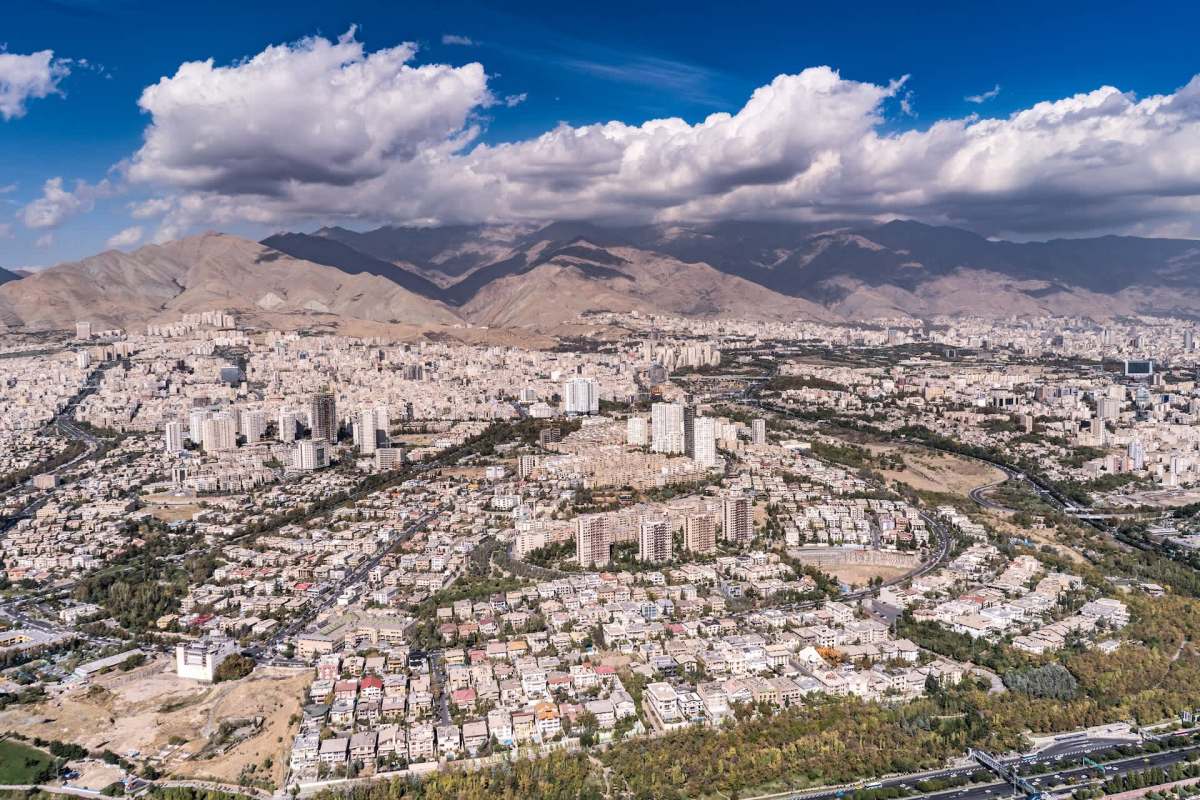
An Iranian official warned that the country's health system, along with the rest of the world, faces an intensified threat over the next two decades and urged the government to focus on an adaptation plan. According to NatureNews, the remarks from Shina Ansari, head of the Department of Environment, came at an environmental health conference in Tehran in mid-December.
The conference occurred before the collapse of the Iranian rial triggered widespread protests Dec. 28 that have now rippled out into all 31 of Iran's provinces, according to a senior fellow at The Washington Institute, Holly Dagres, an Iran-raised, Iranian American who described the protests as "an organic uprising led by Iranians fighting for freedom" on social platform X.
What's happening?
NatureNews reported that Ansari warned Iran needs to prepare its health system for climate-related risks as global assessments suggest the effects of a warming climate could cause more than 5 million additional deaths over the next 20 years.
She identified vector-borne diseases as one of the emerging threats, as mosquitoes and other pests are expanding their ranges into areas previously less hospitable to their survival.
As the deadliest animal on the planet, mosquitoes infect millions of people every year with diseases such as malaria, dengue, Zika, and West Nile.
Why is this important?
Climate risks can act as a threat multiplier to other systemic issues, intensifying food and water insecurity, poverty, and conflict.
TCD Picks » Quince Spotlight
💡These best-sellers from Quince deliver affordable, sustainable luxury for all




Late last year, Iranian President Masoud Pezeshkian warned Tehran residents they may need to evacuate as water levels dropped to dangerously low levels amid a sixth year of drought.
Policies enacted after the 1979 Islamic Revolution led to years of overextraction, as CNN and the Associated Press detailed, while changes in climate driven by global air pollution have influenced weather patterns in the region and exacerbated the situation.
Dagres wrote that many Iranians view the water crisis as being rooted in "systemic mismanagement and corruption." In a guest essay for the New York Times, Dagres said these "core grievances" about the government more broadly, along with complaints of "repression," have remained constant as protestors call for the fall of the Islamic Republic.
Dagres described the protests as "the largest since the Woman, Life, Freedom uprising" in 2022, when Kurdish woman Jina Mahsa Amini died in police custody as a result of physical violence, according to the results of a United Nations fact-finding mission. Iran's "morality police" had arrested her after she allegedly failed to observe laws on mandatory hijab — laws that sparked widespread protests in 1979 when the government started making the hijab compulsory.
|
Do you worry about having toxic forever chemicals in your home?
Click your choice to see results and speak your mind. |
 Majorly 😥
 UN Watch, a Swiss watchdog group with Special Consultative Status to the UN Economic and Social Council, along with a coalition of nongovernmental organizations have urged the U.N. to respond to the crisis as reports emerge that Iranian security forces have killed at least 12,000 protestors in recent weeks.
Iran-born and raised Navid Mohebbi, a former political prisoner in Iran and regular adviser to the U.S. on Iran policy, reported "observers warn the real number may be significantly higher," but said "resistance is likely to continue" and voices are pleading for international pressure. The U.S. lists the regime's human rights abuses as a key reason why it has issued sanctions on Iran.
What is being done about vector-borne climate risks more broadly?
In 2024, Cameroon launched the world's first mass vaccination campaign against malaria, and other high-risk countries have followed suit with remarkable results.
The World Health Organization's latest World Malaria Report estimated vaccines helped prevent an "estimated 170 million cases and 1 million" malaria-related deaths in 2024.
A Southwest Florida county is using X-rays to stop invasive mosquitoes in their tracks, while spray treatments can also keep pest populations in check.
Coordinated action and transparent communication among health officials can help communities manage vector-borne threats and raise awareness about how people can protect themselves.

Get TCD's free newsletters for easy tips to save more, waste less, and make smarter choices — and earn up to $5,000 toward clean upgrades in TCD's exclusive Rewards Club.







