


Our rising global temperatures aren't just a distant threat to the natural world anymore; they have a very real, palpable impact on personal finances and the greater economy.
What's happening?
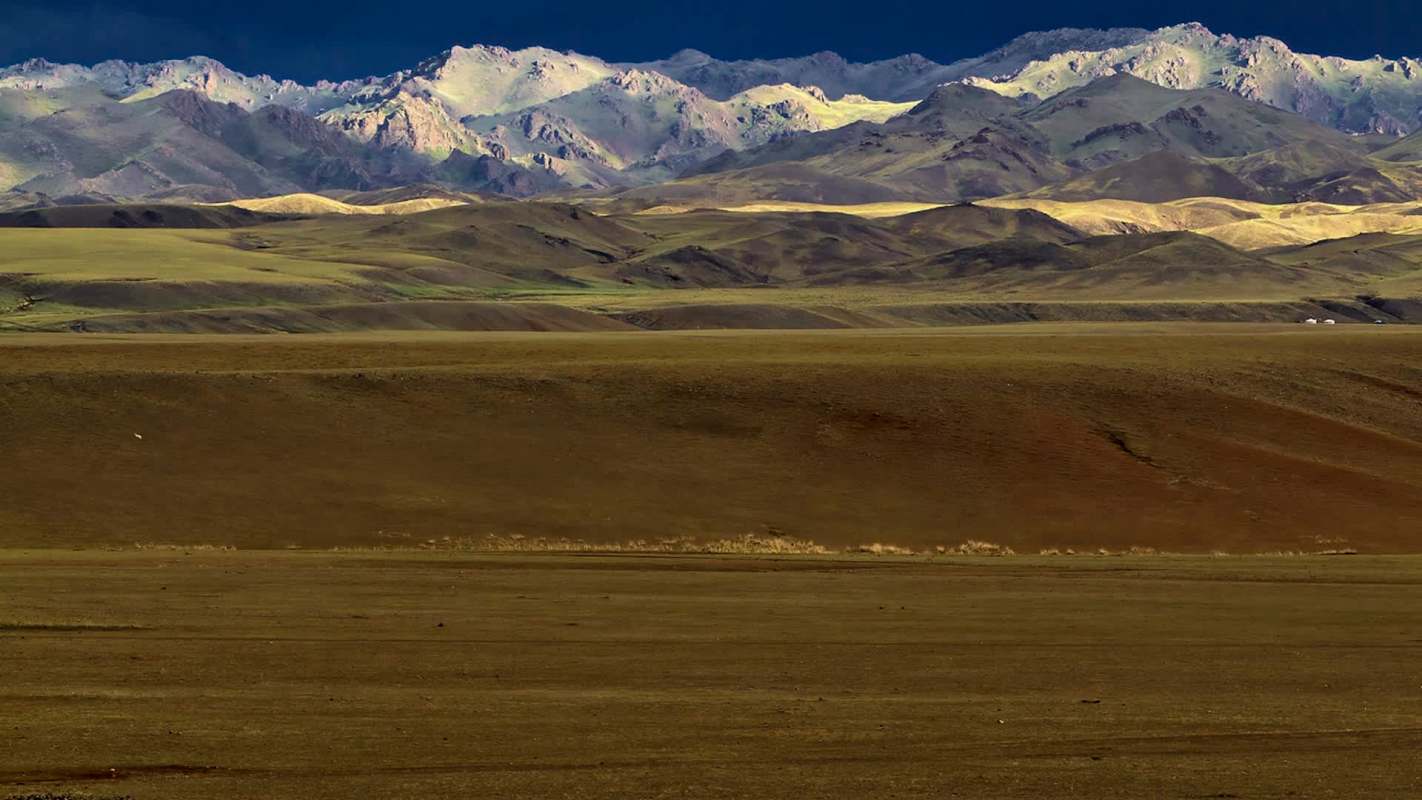
A statistical analysis of climate risks in Mongolia over recent years pointed to a correlation between monetary instability — at the individual, local, and national levels — and regional weather patterns and abnormalities.
Conducted by the United Nations' Economic and Social Commission for Asia and the Pacific, the research indicated that Mongolia's financial foundation is facing pressure from two sides. The region's floods, droughts, and extreme winters — or dzuds — often damage homes and infrastructure and leave the agricultural industry floundering, but unfortunately, supporting the burgeoning clean energy industry and taking other climate-forward steps is costly.
Per the ESCAP report, Mongolia suffers an average loss equivalent to more than $425 million each year, owing in particular to drought-driven losses of close to $350 million.
Why is climate change fiscally alarming?
At a broad level, the high atmospheric temperatures brought on by urban carbon pollution and other environmentally unfriendly practices have begun disrupting our global weather patterns, increasing aridity in many regions and supercharging natural disasters like floods and hurricanes.
For a country like Mongolia, which relies heavily on its agricultural sector, atypical climate and severe storms and floods can cripple economic development by devastating crop yields.
TCD Picks » Quince Spotlight
💡These best-sellers from Quince deliver affordable, sustainable luxury for all




Likewise, the surge in extreme weather drives up the costs of home ownership, particularly as a result of rising insurance costs.
"Infrastructure damage from floods can impair businesses and real estate values, undermining mortgage portfolios," ESCAP explained. "These climate stressors can lead to higher loan default rates, market volatility, liquidity strains, and even legal liabilities for financial institutions."
Mongolia isn't the only part of the world to encounter the financial consequences of extreme weather for homeowners. Experts observed a similar trend in California following the Los Angeles wildfires in early 2025, which hiked up premiums for homeowners in medium- and high- risk areas.
Although combating climate pollution may appear to be the obvious solution, Mongolia's experience revealed to ESCAP that transition costs can prove just as precarious. The country's decarbonization goals and attempts to fortify its renewable energy sector come at the expense of the livestock industry — trimmed down to reduce methane-releasing cattle populations — and the mining industry, a cornerstone of Mongolia's foreign trade.
|
How concerned are you about rising energy costs?
Click your choice to see results and speak your mind. |
 I can hardly afford my bills now 😮💨
 What's being done about it?
In collaboration with the Central Bank of Mongolia, ESCAP shared some recommendations for the nation in its report, such as improving climate data collection for future financial decisions and integrating climate risk analysis into regular economic monitoring.
In short, while adopting climate-conscious practices nationwide may seem financially daunting, they are far less costly than the expenses Mongolia and the rest of the world will have to take on if the current pollution-heavy climate trajectory continues indefinitely.

Get TCD's free newsletters for easy tips to save more, waste less, and make smarter choices — and earn up to $5,000 toward clean upgrades in TCD's exclusive Rewards Club.






