


At a superficial level, encountering wildlife in unexpected places can be exciting and fascinating. After all, it's not every day that a bear, or a moose, or a bobcat crosses your path.
But given the uptick in wildlife sightings in recent decades, it's likely not only that human activities are encroaching upon their natural habitats, but also that we're continuing to put these spectacular species in danger with our frequent proximity.
What's happening?
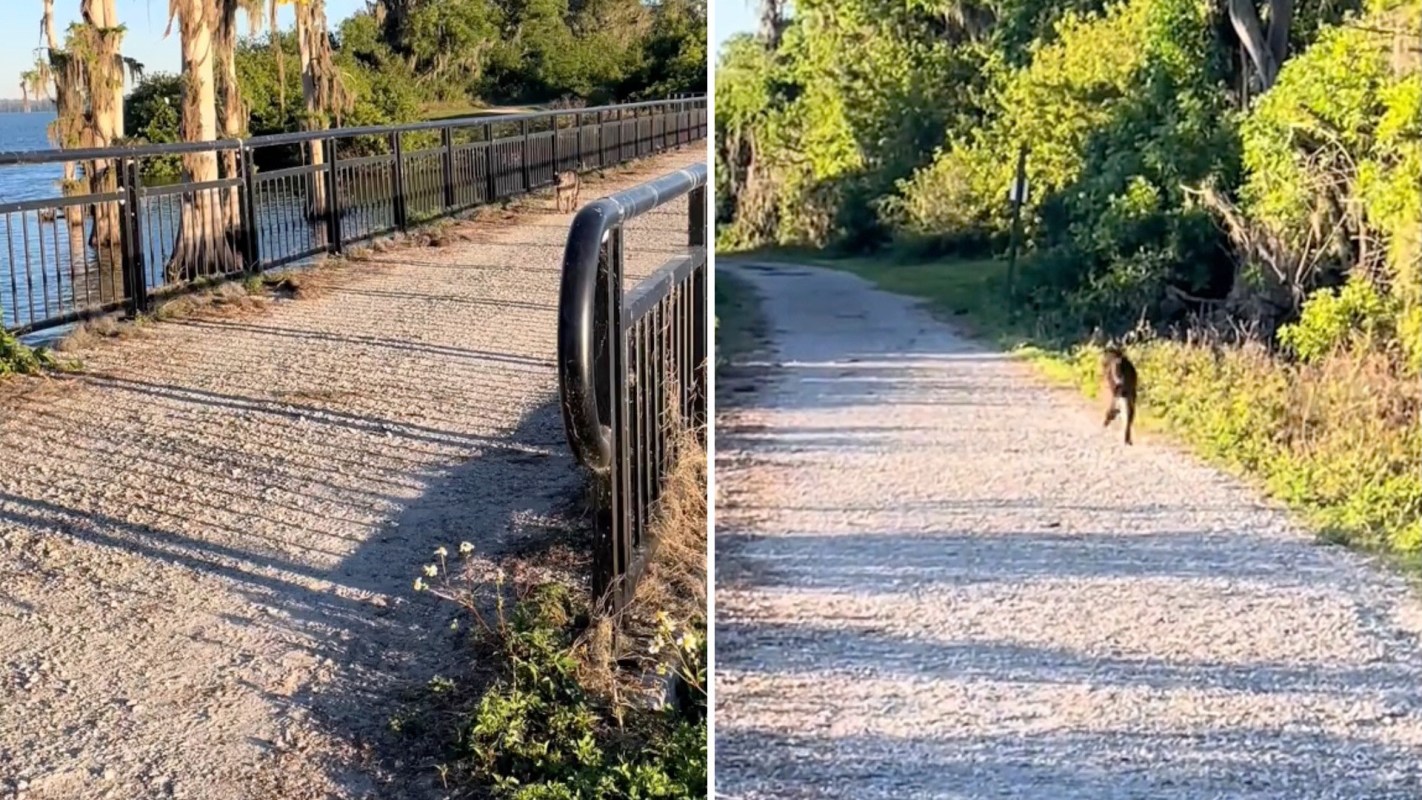
Bystander and nature enthusiast Arthur Santos (@arthur.muller.arts) shared a brief clip on TikTok of a wild bobcat darting across a human bridge, captioning that "he was less than a foot away."
@arthur.muller.arts This Bobcat came towards me, less than a foot away. He was in a hurry to go where he was going. When I realized, he was already too close Such a majestic sneaky shy cat #animalencounters #wildlife #close #nature ♬ original sound - Arthur.Muller.Arts
"Such a majestic sneaky shy cat," Santos added.
While commenters were quick to gush over the elegant creature, many seemed to miss the fact that this bobcat found itself in what was likely a local park, based on the footage — far from conventional bobcat habitats in woodlands, swamps, or mountainous regions.
Why is human-wildlife proximity concerning?
Although no one can deny that this little creature was "a beauty," as one commenter described, this and many similar encounters may be the result of human intrusion upon natural habitats and the subsequent absorption and urbanization of those regions.
TCD Picks » Quince Spotlight
💡These best-sellers from Quince deliver affordable, sustainable luxury for all




Almost no part of the world is exempt from this behavior; according to a 2022 study published in the journal Conservation Science and Practice, habitat destruction ranks as the leading cause of animal endangerment globally.
In addition to physically overtaking natural land, many human urban practices rely on the combustion of fossil fuels such as coal and oil, generating substantial amounts of carbon pollution that drives up our atmospheric temperatures and may disrupt the flow of natural resources like water and certain plant species in a given region.
Bobcats, while native to North America, have never dwelled quite as close to human communities as they do now — even if they often try to avoid humans, as shown by the bobcat's "shy" behavior in Santos' post.
Unfortunately, this building's proximity may prompt confrontations and even conflict between humans and bobcats under certain circumstances, especially since many passersby approach unfamiliar wildlife out of nosy curiosity.
|
Do you think America does a good job of protecting its natural beauty? Click your choice to see results and speak your mind. |
 Definitely 👍
 These encounters can end poorly for both animals and humans, with many species — including bobcats — proving aggressive when provoked. In many parts of the U.S., animals that end up injuring humans are euthanized by authorities, regardless of whether their hostility is justified.
What's being done about this?
For your part, never approach wildlife unprompted. It may be tempting to get closer to snap a better photo, but bear in mind that a close encounter can quickly escalate out of control. And as always, alert your local authorities if you suspect an issue.
Meanwhile, since bobcats and other similar species are often drawn out by the appeal of an easy meal, taking simple steps such as keeping all human and pet food indoors and securing your trash with fitted lids can help human and wildlife communities coexist more smoothly.

Get TCD's free newsletters for easy tips to save more, waste less, and make smarter choices — and earn up to $5,000 toward clean upgrades in TCD's exclusive Rewards Club.







