


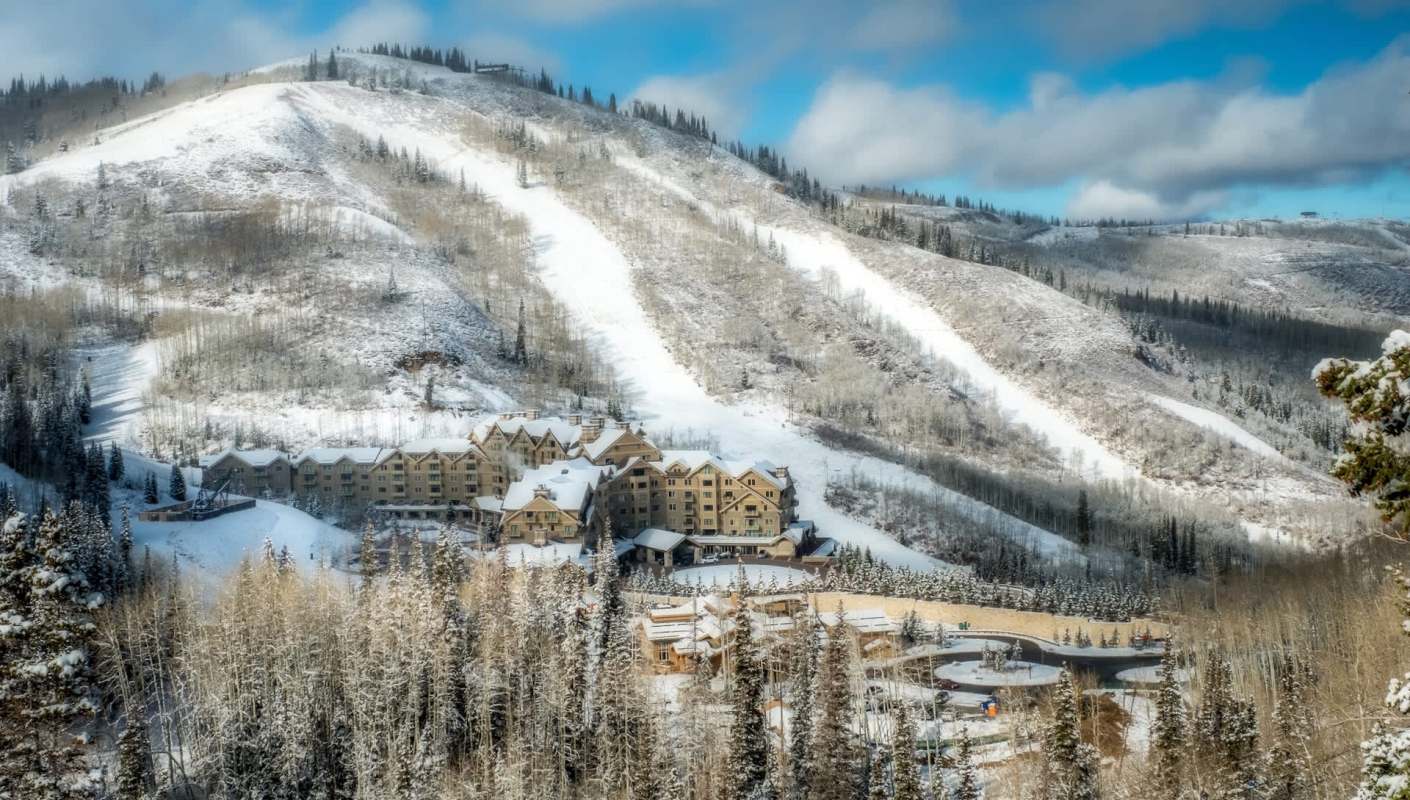
In late December, organizers announced that a major skiing competition typically held in Utah would be moved after a 25-year low of snow levels made it impossible to host the event.
What's happening?
According to a Deer Valley press release, officials, in coordination with the International Ski and Snowboard Federation, made the decision after discussions with international ski authorities. They concluded that conditions would not allow for the venue to host the Intermountain Health Freestyle International — a World Cup skiing competition.
The competition, which plays a critical role in qualification for the 2026 Winter Olympic Games, will now split events between Lake Placid, New York, and Waterville Valley, New Hampshire.
Organizers emphasized that athlete safety and fairness were top priorities in a year when qualifying opportunities carry added weight for the Milano Cortina Games in Italy in February.
Western snow conditions have struggled this winter. Reports show that parts of California, Nevada, and Oregon are seeing less than 20% of the typical snow depth. New England ski areas have largely seen near-normal conditions, according to On The Snow.
Waterville Valley officials described the relocation effort as "all hands on deck" to the Concord Monitor, as crews and event teams were working to prepare the venue for the competition on January 15 and 16.
TCD Picks » Quince Spotlight
💡These best-sellers from Quince deliver affordable, sustainable luxury for all




Why are these conditions concerning?
While warmer periods have always occurred, researchers say human-driven warming, mainly caused by pollution from burning oil, gas, and coal, is making extreme weather events like snow droughts more frequent and less predictable as warmer temperatures turn what would be snow into rain.
That shift turns once-rare disruptions into recurring challenges for winter sports and mountain communities.
When snowfall becomes unreliable, tourism revenue drops, seasonal jobs disappear, and local economies become more vulnerable, according to a study published in the Journal of Environmental Management.
Athletes are also under pressure as training windows shrink and critical competitions are modified, canceled, or relocated.
|
What's the most you'd pay per month to put solar panels on your roof if there was no down payment?
Click your choice to see results and speak your mind. |
 $200 or more 💰
 But warmer winters can carry consequences beyond sporting events. Higher-than-average winter temperatures in places like Colorado can allow ticks and mosquitoes to survive and reproduce for longer. That increases the risk of vector-borne illnesses such as Lyme disease and dengue fever, which are growing public health concerns.
What's being done about it?
Resorts and sports organizations are adapting by investing in more efficient snowmaking, redesigning courses that require less snow, and improving snow storage to extend seasons, while events like those in Deer Valley are shifting locations when conditions require it.
But we can only adapt and move locations so much; reducing the pollution driving warming climates remains at the core of the solution.
Expanding renewable energy, electrifying transportation, and supporting policies that strengthen community preparation can help protect winter economies and the traditions built around them.

Get TCD's free newsletters for easy tips to save more, waste less, and make smarter choices — and earn up to $5,000 toward clean upgrades in TCD's exclusive Rewards Club.







