


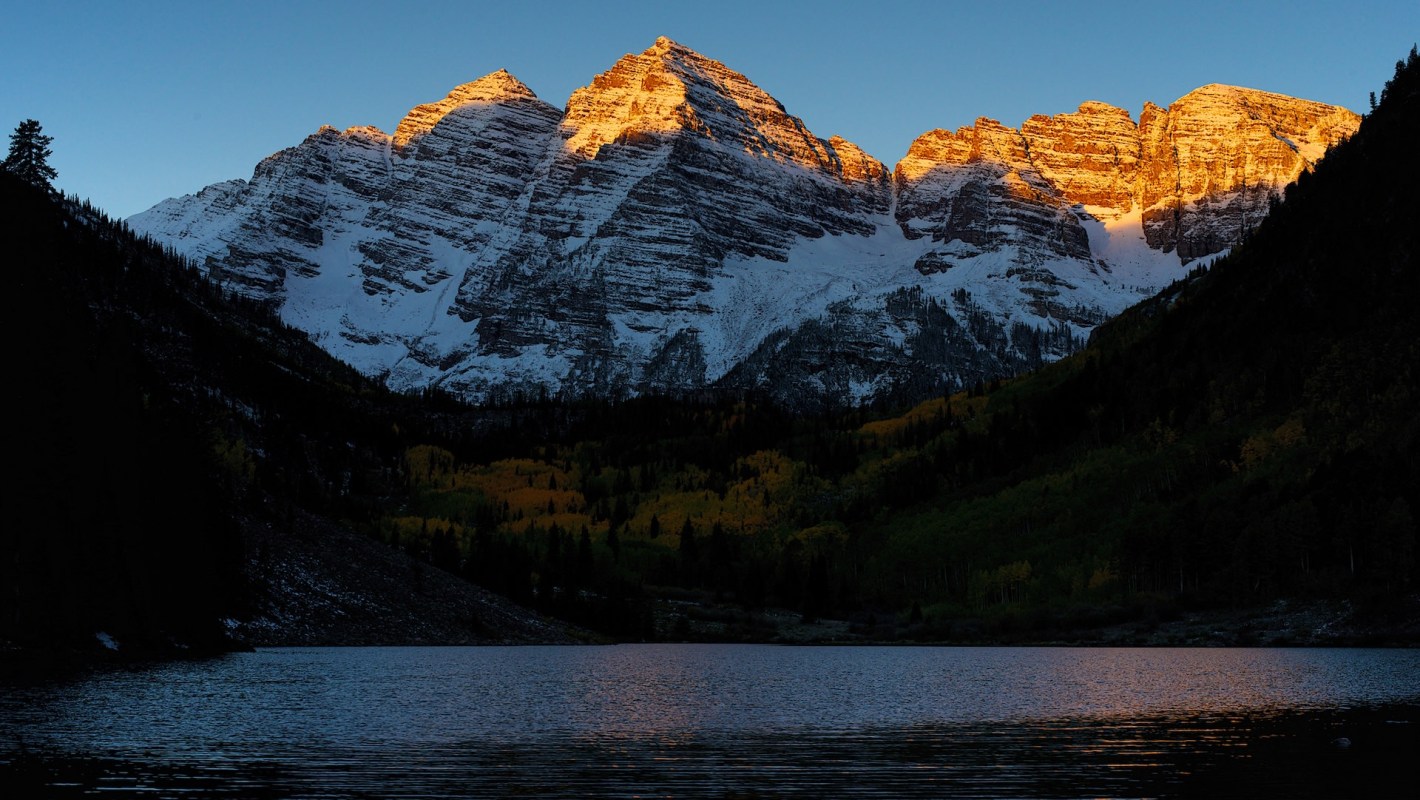
Colorado's snow levels have fallen so far below normal that weather experts say there's roughly a 10% chance of recovery this season, reported the Coloradoan.
What's happening?
As of mid-January, snow accumulation across Colorado sat at just 63% of typical levels. The Upper Colorado River Basin, which supplies Lake Powell, Lake Mead, and much of the Southwest, has dropped to 58%, a record low for mid-January.
A stubborn high-pressure system has kept storms away from the state, leaving mountains bare and temperatures unseasonably warm. Fort Collins just experienced its hottest December since 1893, and state officials expect to announce that Colorado had its hottest December on record.
"Looking at the bigger picture, concerns grow as we approach February and March," David Barjenbruch, a forecaster with the National Weather Service, told the Coloradoan. "It's going to take really rare, extremely wet periods for us to even get back to normal at this point."
Why is Colorado's low snowpack concerning?
About 80% of Colorado's water originates from snow accumulation between November and May. When that snow doesn't fall, it affects drinking water for cities, irrigation for farms, and river levels for recreation.
While extreme weather has always occurred, scientific consensus confirms that human-caused planetary warming intensifies these events. Drought conditions become more severe and persistent, threatening public health, community safety, and economic stability.
TCD Picks » Good Store Spotlight
Get 10% off your next purchase with code TCD10




Right now, 75% of Colorado falls under some drought classification, with central ski areas in the two most severe categories. Ski resorts have been unable to open numerous trails, and river outfitters face a dismal season ahead.
"Even if snowpack is average going forward, it's not looking ideal for the whitewater season," said Peter Goble, assistant state climatologist at Colorado State University.
A December storm brought triple-digit wind gusts to mountainous regions, cut electricity to thousands of households, and fueled wildfire activity.
If you're interested in making your home more resilient against outages like these, go solar with battery storage, which can help you save on utility bills while protecting against rising energy costs.
TCD Picks » Quince Spotlight
💡These best-sellers from Quince deliver affordable, sustainable luxury for all




|
Do you feel like the air quality is safe where you live? Click your choice to see results and speak your mind. |
 Always 💯
 Check out TCD's Solar Explorer to connect with vetted installers and save up to $10,000 through competitive bids. TCD partnerEnergySage offers a free service to find local installers and learn about available incentives.
What's being done about Colorado's low snowpack?
The good news is that reservoir levels across Colorado remain at 85% of typical capacity, which should prevent water restrictions for most households this year.
If you live in Colorado, conserving water at home could make a difference. Take shorter showers, fix leaky faucets, and consider drought-tolerant plants for your yard. Supporting policies that protect watersheds and promote water efficiency helps build resilience.

Get TCD's free newsletters for easy tips to save more, waste less, and make smarter choices — and earn up to $5,000 toward clean upgrades in TCD's exclusive Rewards Club.







