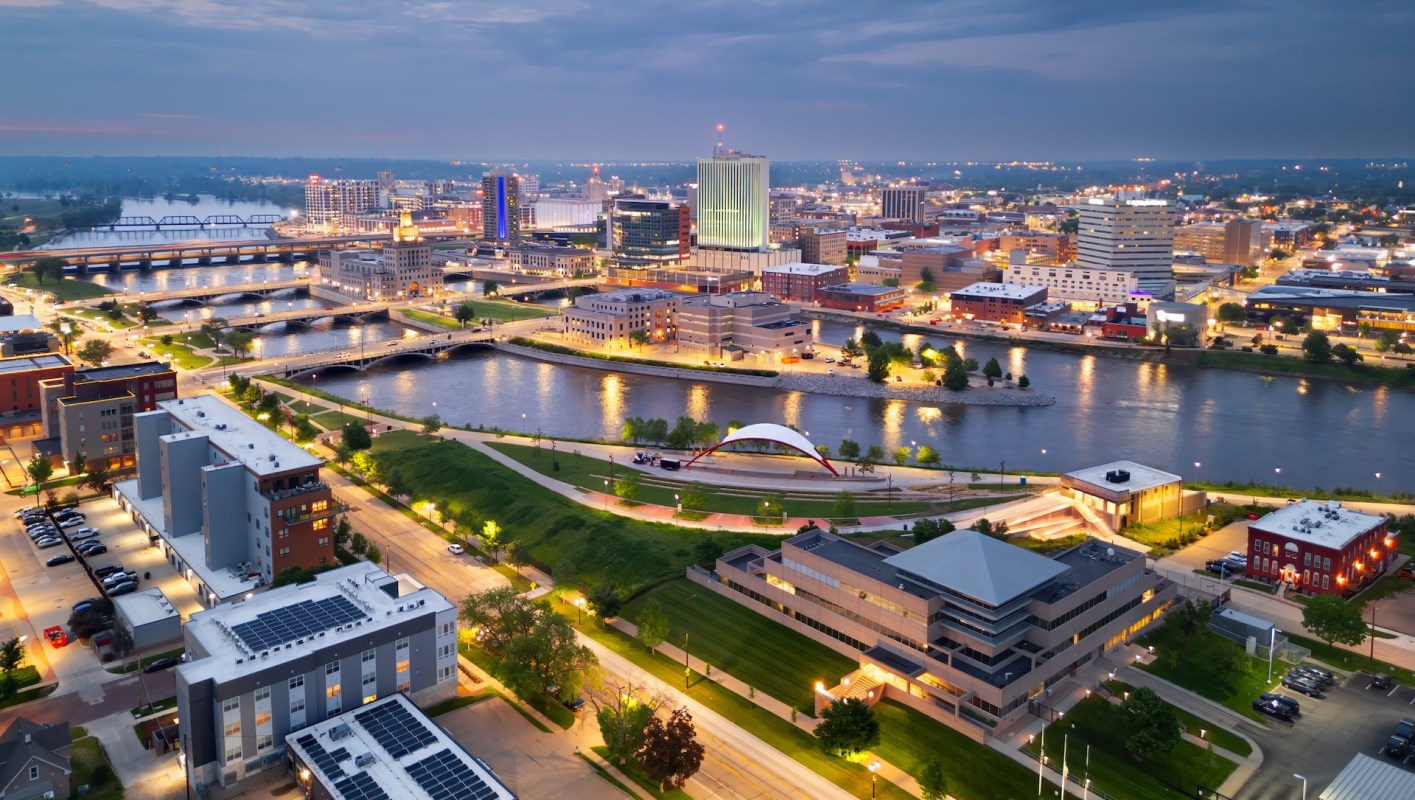
Snow has fallen in Iowa, but some regions remain under drought watch — a sign that, as global temperatures continue to rise, colder weather doesn't always mean water security. It's also a telltale warning of what long-term shifts in weather patterns bring to communities across the region.
What's happening?
The Iowa Department of Natural Resources placed 3 of 5 drought regions under drought watch in December, The Gazette reported. All of Eastern Iowa and parts of the northwest will experience abnormally dry conditions well into February 2026.
Although snowfall this season is historically high, a dry autumn — with November's precipitation 0.25 inches below average — erased the benefits of earlier summer rain. Portions of Iowa's soils and waterways remain depleted.
"Most of the state saw worsening conditions due to widespread precipitation deficits," the DNR stated in a news release.
Why is this issue concerning?
A drought event in winter shows that snow alone doesn't replenish groundwater the way steady rain does. The problem is that water cycles are becoming more erratic and unpredictable as global weather systems shift.
Some experts say the main cause of these shifts is human-driven warming, which acts as steroids for extreme weather, intensifying droughts, floods, and storms. It's disrupting the natural systems that once kept atmospheric and environmental conditions more balanced.
TCD Picks » Quince Spotlight
💡These best-sellers from Quince deliver affordable, sustainable luxury for all




As droughts become more frequent and severe, communities, especially those in poorer regions, suffer greatly. When water becomes scarce, ecosystems degrade, food production suffers, and prices rise — putting the lives of millions of people around the globe in peril.
In Iowa alone, more than 900,000 residents live in areas affected by drought, per the data from the U.S. Drought Monitor.
What's being done about the issue?
Iowa is constantly monitoring water resource trends and has a Drought Plan in place for preparedness, response, and recovery. Nationwide, government agencies share an integrated drought information system to assess drought conditions and issue early warnings.
Beyond monitoring, the more proactive way to address this issue is to reduce air pollution and restore the world's balance. Ordinary residents can help by exploring critical environmental issues and how their individual actions affect the planet. They can also support solutions that protect water resources.
Iowa's winter drought is a signal that water security is becoming harder to guarantee in a warming world. This makes it all the more important for people to take action now.
|
How worried are you about rising ocean levels? Click your choice to see results and speak your mind. |
 Very 😰
Get TCD's free newsletters for easy tips to save more, waste less, and make smarter choices — and earn up to $5,000 toward clean upgrades in TCD's exclusive Rewards Club.