


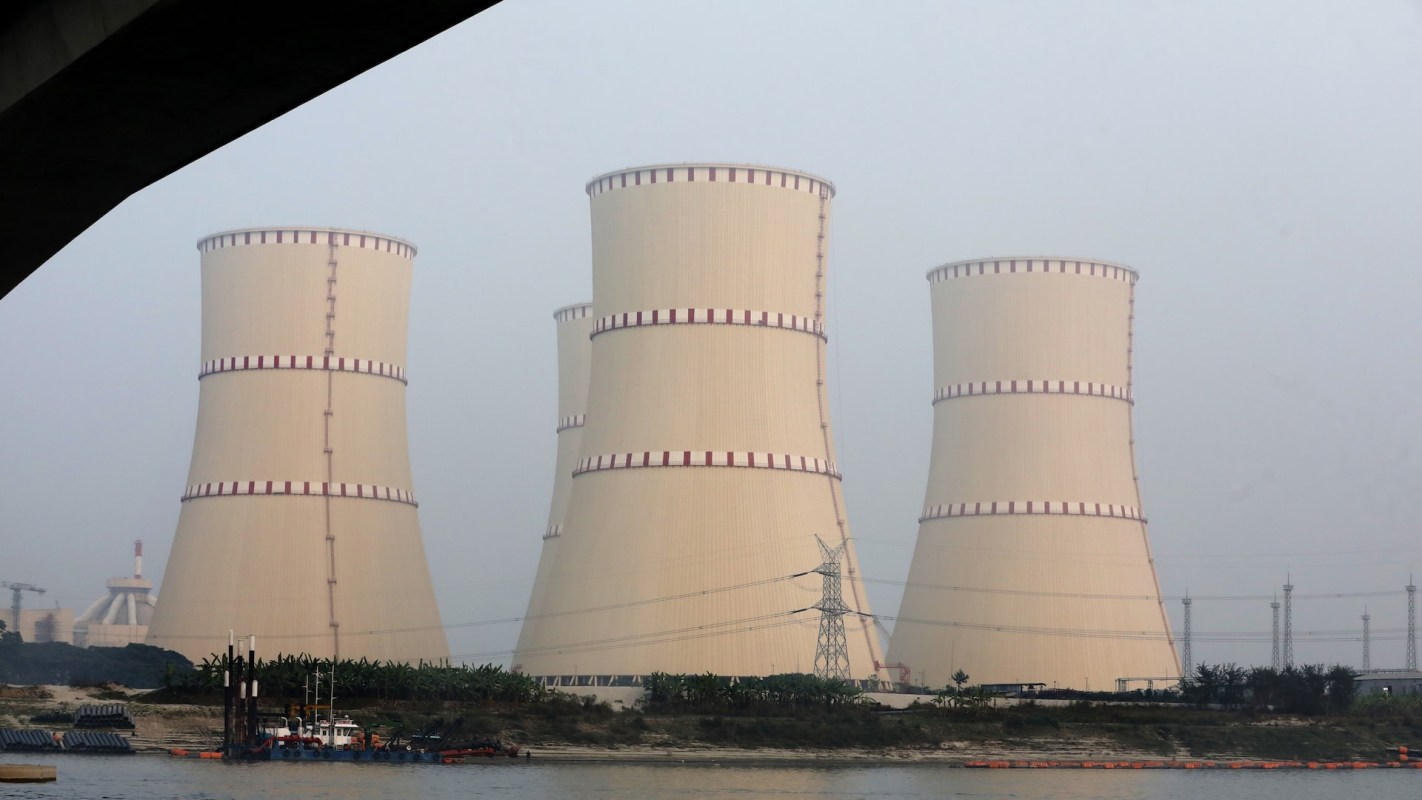
Bangladesh's first nuclear power plant is facing a major financial roadblock.
What's happening?
According to The Business Standard, the Rooppur Nuclear Power Project has faced a recent exchange rate update that has significantly increased the project's total cost above the originally budgeted amount.
The cost is now expected to increase by about 261.81 billion taka (or roughly $2.15 billion USD as of mid-December), a 23.15% jump from the original 2016 budget. The new total: about 1.39 trillion taka (or roughly $11.39 billion USD), up from about 1.13 trillion taka (or roughly $9.26 billion USD).
A Project Evaluation Committee found that earlier cost estimates did not accurately reflect changes in the U.S. dollar exchange rate.
The updated proposal also recommends extending the project timeline to June 2028, pushing back commercial operation for both nuclear units. Unit 1 had been expected to start producing electricity this year; it's now delayed until 2026, with Unit 2 pushed as well.
Officials noted in the committee meeting that without an accurate total cost, it's impossible to calculate a reliable cost per unit of electricity or conduct a proper cost-benefit analysis.
TCD Picks » Quince Spotlight
💡These best-sellers from Quince deliver affordable, sustainable luxury for all




Why is this development concerning?
Accurate budgeting is a key part of bringing new energy projects online, especially when those projects are designed to support long-term energy security with low-pollution power.
The update also extends the construction timeline, delaying when Bangladesh can access large volumes of electricity, designed to help reduce dependence on imported fuels.
At the same time, nuclear energy is a complicated and often controversial topic.
Many people associate it with high-profile accidents or worry about radioactive waste. But nuclear power also plays a meaningful role in low-pollution energy systems around the world, providing steady, "always-on" electricity that can support solar and wind power when the sun isn't shining, or the wind isn't blowing.
|
Would you feel safe living close to a nuclear power plant? Click your choice to see results and speak your mind. |
 Absolutely ✅
 What's being done about the rising costs of nuclear energy?
Bangladesh's Planning Commission has already requested a revised cost structure that reflects accurate exchange rates for past and future spending. This correction allows the agency to accurately assess long-term costs.
Globally, interest in nuclear power is growing again as countries look for dependable alternatives to gas and coal. Even major companies are getting involved.
Google recently signed a 25-year agreement to help restart a shuttered U.S. nuclear plant, saying it will provide 600 megawatts of "clean, safe, 'always-on' energy" to support growing AI operations.
For everyday people, the path to a cleaner future doesn't hinge on one single technology. It's a combination of solutions, from expanding wind and solar to using energy-efficient appliances at home, or switching to less expensive, non-polluting transportation options like EVs.
These steps, paired with safer and more advanced nuclear technologies, can help countries build stronger, more stable energy systems.

Get TCD's free newsletters for easy tips to save more, waste less, and make smarter choices — and earn up to $5,000 toward clean upgrades in TCD's exclusive Rewards Club.






