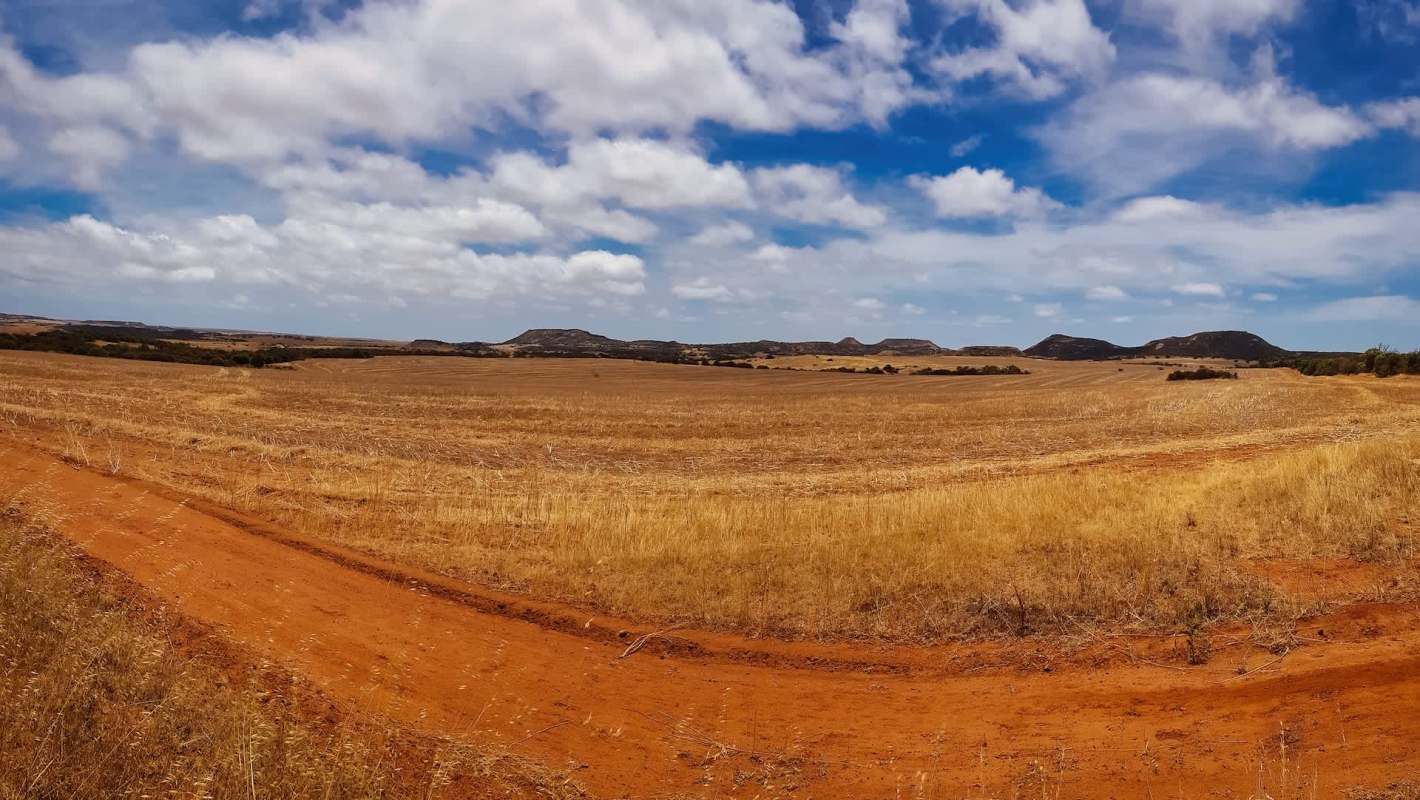
Farmers in Western Australia have issued a warning about the drastic increase in rabbit populations and the damage they are causing.
What's happening?
According to ABC News, the head of the Invasive Species Council is warning the Australian government that the recent explosion of rabbit populations in Western Australia is creating havoc for farmers and landowners.
Landowners in agricultural areas have been reporting numbers of rabbits not seen before, with at least one farmer reporting that these animals are wiping out grain crops.
This year, the chief executive of the Invasive Species Council, Jack Gough, sent a written warning to the federal government about the influx of rabbits. "This is a national problem," he said, per ABC News. "WA is not the only place where I'm hearing farmers, land managers screaming about the numbers of rabbits that they're seeing."
Gough also urged investment and action to develop new biological controls to reduce the rabbit population and the environmental and economic damage they are causing.
Why is this increase in rabbits concerning?
These invasive rabbits, like other invasive species, are spreading rapidly and taking over the agricultural areas where they reside. Besides the damage they've already done to crops, Gough also pointed out that at least 300 already endangered native species are at risk due to the rabbits.
TCD Picks » EDF Spotlight
💡EDF's Vital Signs newsletter delivers stories about game-changing solutions close to home and around the world




Invasive animal species outcompete native ones for local resources, introduce new diseases that can wipe native species out, and can destroy a region's biodiversity and ecosystem in the blink of an eye.
In this case, the invasive species also affects human communities by destroying crops. A reduced crop yield means farmers will see reduced incomes, which could affect how much they're able to grow the following year. Fewer crops also means fewer options at the grocery store, and if the problem persists, reduced food security for those in Western Australia.
Eradicating invasive species, like these rabbits, is vital, but so too is prioritizing and protecting native animal and plant species. Doing this will help limit the spread of invasive species, protect food supplies, and conserve natural resources.
What's being done about the rabbits?
In the past, the rabbit population was controlled via the calicivirus, but that method no longer seems to work.
TCD Picks » Quince Spotlight
💡These best-sellers from Quince deliver affordable, sustainable luxury for all




In response, the federal agriculture minister, Julie Collins, per ABC News, said: "The government, under the Supporting Communities Manage Pest Animals and Weeds Program, is investing $1.2 million toward rabbit control projects to improve control tools, capacity building, and coordinated management."
|
Do you think humans are doing enough to protect endangered animals? Click your choice to see results and speak your mind. |
 Definitely 👍
Get TCD's free newsletters for easy tips to save more, waste less, and make smarter choices — and earn up to $5,000 toward clean upgrades in TCD's exclusive Rewards Club.
Cool Picks