


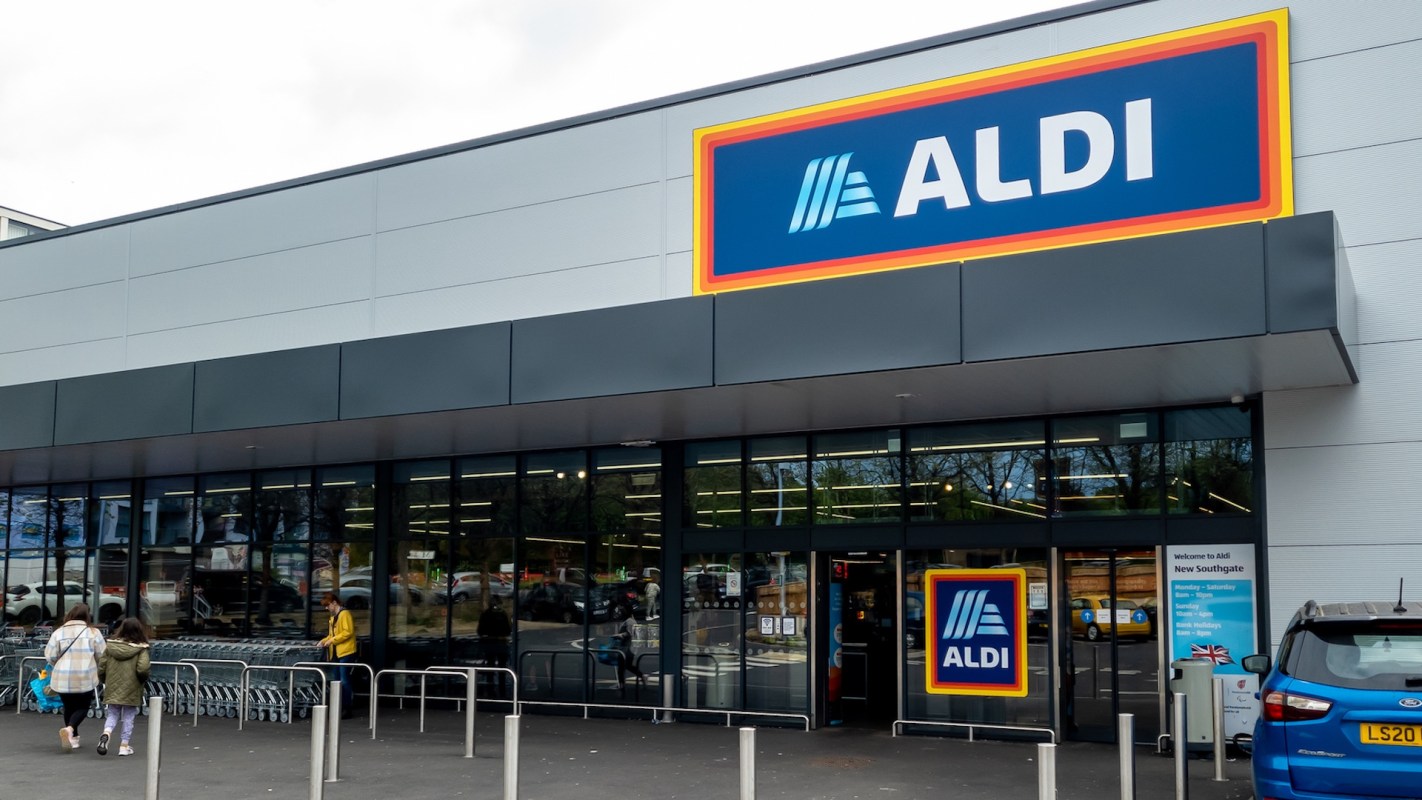
Nothing dampens the holiday spirit more than an unexpected bout of allergies. Unfortunately, a Christmas-themed product from Aldi might've left some customers with more than a bad taste in their mouths.
What's happening?
The Independent reported that the U.K. supermarket chain recalled Perfect Christmas Mozzarella Sticks in Blankets from its stores. This product contains egg, which wasn't listed on the packaging.
"Customers are asked to return this product to their nearest store, where a full refund will be given," Aldi wrote in the recall notice. "We apologise that this product did not meet our normal high standards and thank you for your co-operation."
The affected product was sold in 278-gram (about 9.8-ounce) packages with a use-by date of December 15. The U.K. Food Standards Agency (FSA) urged consumers with allergies or intolerance to eggs to return the product instead of rolling the dice.
Customers can make good on Aldi's refund, in any case. Aldi also informed customers that they could receive more information via a phone number or on help.aldi.co.uk.
Why is Aldi's product recall important?
Label accuracy is crucial for managing food intolerance and allergies. When companies fail to list allergens, consumers must depend on others for accurate information.
TCD Picks » Quince Spotlight
💡These best-sellers from Quince deliver affordable, sustainable luxury for all




Someone with an egg allergy could have a serious reaction when they were simply trying to enjoy some seasonal mozz sticks. You can imagine the potential consequences, including a possible trip to the hospital.
Eggs are one of the 14 allergens the FSA requires to be declared, and the U.S. Food and Drug Administration considers them one of the "Big 9" allergies that are leading causes of reactions and symptoms.
Food recalls often highlight broader concerns in the food production industry, including a lack of oversight or inconsistent safety standards. These failures can result in cross-contamination between different products or the inclusion of unlisted allergens and hazardous materials into food.
That can have significant implications for households. Many other things besides eggs have made it into food mistakenly, including another common allergen: milk. Other scenarios include pieces of plastic making it into a pulled pork sandwich or salad dressing.
|
Should companies be required to help recycle their own products?
Click your choice to see results and speak your mind. |
 Definitely 👍
 What's being done about food safety?
Ultimately, ensuring better food safety is a group effort by manufacturers, regulators, and consumers. On the front end, manufacturers need to tighten up their production to minimize mistakes that can lead to missing instances of unlisted ingredients and contamination.
Regulators can proactively check up on producers to make sure they are closely complying with food safety standards. Because humans are involved, there's always a chance something can slip through the cracks.
That's where it becomes incumbent on consumers to raise the alarm if something is off on a food item. Regulators can broadcast that message quickly and minimize the damage with comprehensive and expedient recall notices.
The next step falls to producers to find out where things went sideways and address any lingering issues that led to the mistake.

Get TCD's free newsletters for easy tips to save more, waste less, and make smarter choices — and earn up to $5,000 toward clean upgrades in TCD's exclusive Rewards Club.








