


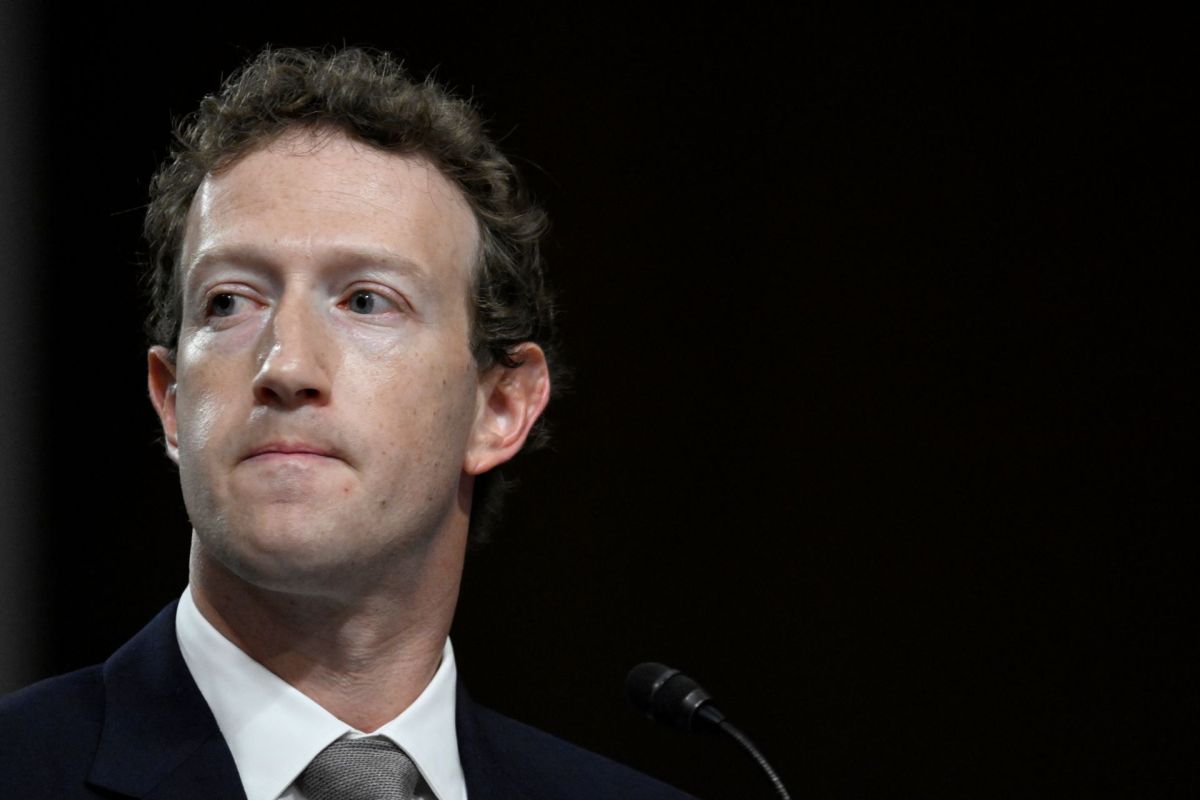
Meta's push into artificial intelligence is reportedly facing internal squabbles as longtime employees clash with a new team created by CEO Mark Zuckerberg.
What's happening?
According to The New York Times, Meta's recently formed AI group, TBD Lab, has become a source of tension inside the company. Led by entrepreneur Alexandr Wang, the team was given an unusually high level of autonomy. The company invested $14.3 billion in Wang's startup, Scale AI, and carved out a dedicated space beside Zuckerberg's office for the TBD Lab group.
However, sources said disagreements have erupted between Wang's researchers and some of Meta's most seasoned executives, including chief product officer Chris Cox and chief technology officer Andrew Bosworth. It's reportedly over whether the new team should prioritize Meta's core business — improving social media algorithms and advertising — or focus on racing OpenAI and Google to build "frontier" AI systems.
"Meta spent a huge amount of money to bring in Alexandr Wang," said venture capitalist Tomasz Tunguz, per the Times, "and that must have changed both the internal topology and the feeling of the company."
Why is this concerning?
The battle over priorities suggests not only that Meta's internal teams aren't aligned but also that the company is making a hard pivot toward developing more powerful AI models — something it's calling "superintelligence."
On the human front, employees responsible for products that currently generate most of the company's revenue may worry they're being sidelined while Meta pours resources into long-term research that may not pay off. Some have already left for competitors like Google and OpenAI.
TCD Picks » Quince Spotlight
💡These best-sellers from Quince deliver affordable, sustainable luxury for all




On the environmental and public front, the scale of Meta's investment is enormous. Zuckerberg pledged $600 billion to build data centers for future AI models. While AI has shown potential to contribute to climate solutions, such as optimizing energy grids and developing early disaster warning systems, it still presents some problems.
AI consumes enormous amounts of energy and water — draining resources, destabilizing grids, and contributing to pollution. Plus, massive data centers built to its needs are not always welcomed by residents, who say they affect quality of life, drive up energy costs, and take up massive swaths of land.
What's being done about it?
Within the company, it's hard to say. Meta's leadership insists it remains united and that its AI investments are already improving its core products, per the Times. The company disputes reports of internal conflict. TBD Lab seems to have stabilized, with most researchers choosing to stay after reaching their first vesting milestone.
For the rest of us, it's clear that responsibly developed AI depends on transparent governance and careful alignment of goals and policy. As companies race to dominate the AI space, public pressure and thoughtful regulation will play crucial roles in ensuring this tech benefits rather than harms the people and platforms that rely on it.
|
Do you worry about robots taking away our jobs?
Click your choice to see results and speak your mind. |
 Absolutely 💯
Get TCD's free newsletters for easy tips to save more, waste less, and make smarter choices — and earn up to $5,000 toward clean upgrades in TCD's exclusive Rewards Club.






