


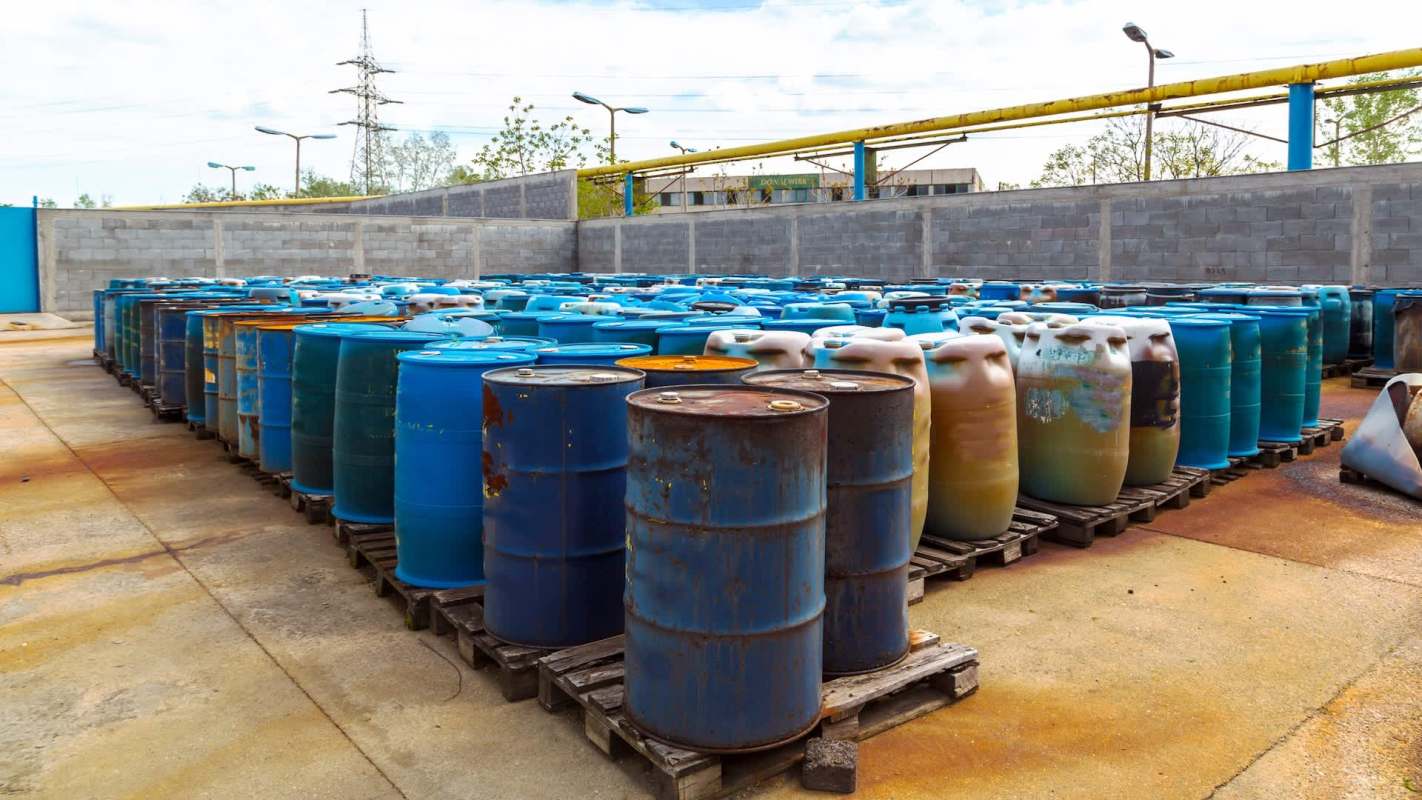
A study published in the journal Nuclear Engineering and Design has revealed that atomic reactor waste could actually be used to boost hydrogen production by up to 10 times the current rate.
Researchers at the University of Sharjah in the United Arab Emirates discovered that a variety of hydrogen-generating methods could benefit from using this waste to boost the production of hydrogen, a next-generation fuel that could play a key role in the clean energy transition, according to Interesting Engineering.
Nuclear energy generated from around 440 power reactors across 31 countries provides approximately 9% of the world's electricity. It's one of the largest sources for low-carbon energy — second only to hydroelectric power.
Most plants use uranium as a fuel to power nuclear fission. Neutrons collide with uranium atoms, splitting them and releasing a burst of energy. This leads to powerful chain reactions that ultimately produce heat that's used to produce electricity without releasing planet-warming gases.
Although large amounts of energy are generated with just a small amount of fuel, the waste that is produced is radioactive and requires careful management and disposal, since it's a hazardous material.
"Utilizing nuclear waste is a novel method of producing hydrogen that transforms a persistent environmental issue into a useful resource," the researchers shared in a press release.
TCD Picks » Quince Spotlight
💡These best-sellers from Quince deliver affordable, sustainable luxury for all




"Hydrogen has become a promising energy carrier as the need for sustainable and clean energy sources increases globally."
By using some of the spent uranium fuel for radiation-enhanced electrolysis, the researchers believe that hydrogen yields can be increased tenfold compared to traditional electrolysis.
"Using uranium-based catalysts reduces the need for rare and expensive metals," they added, noting that "high cost and scarcity create an urgent need for (the adoption) of more affordable alternatives."
This proposed method joins a variety of other ways to recycle radioactive nuclear waste into useful fuel and byproducts, harnessing more than 90% of the energy potential that remains in the material, even after five years in use.
|
Would you feel safe living close to a nuclear power plant? Click your choice to see results and speak your mind. |
 Absolutely ✅
 Some of this waste has been used to create high-assay low-enriched uranium (HALEU) that can be used to power modern microreactors. Other projects use spent nuclear fuel to generate tritium used in powering fusion reactors, which hold the promise of near-limitless energy.
However, since nuclear waste is a highly regulated material, real-world testing to prove the researchers' work has been challenging.
While "the risk of syngas contamination, chemical modification of the catalyst, and stringent regulations," are hindering progress in their research, they believe that the potential advantages warrant further effort.
Recycling the waste means reducing the amount of hazardous material that must be stored, while also providing a resource that helps create a steady supply of hydrogen.
This green hydrogen can be used to replace dirty fuels for power generation, transportation, and energy storage, and serve as a further complement to other more sustainable resources like solar and wind power.

Get TCD's free newsletters for easy tips to save more, waste less, and make smarter choices — and earn up to $5,000 toward clean upgrades in TCD's exclusive Rewards Club.






