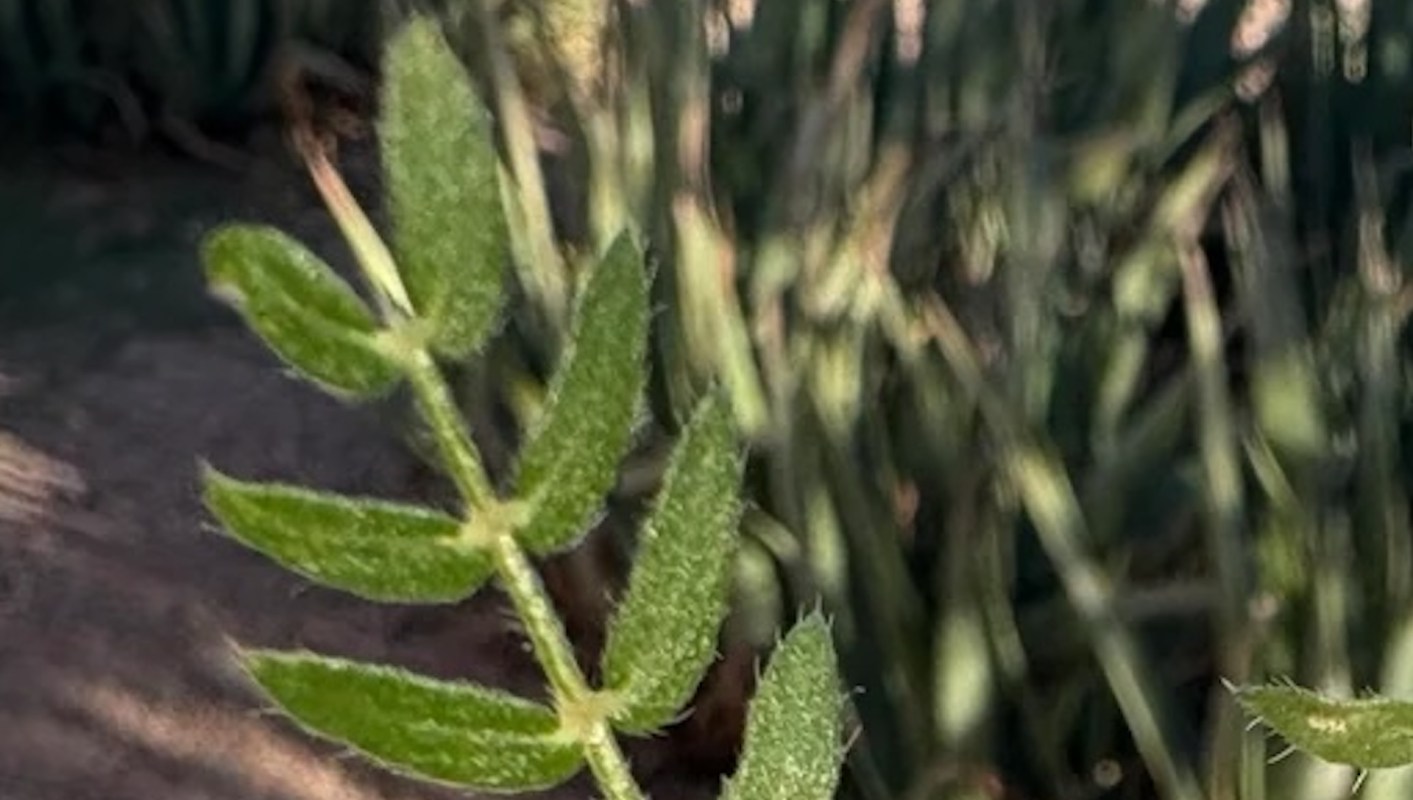
One homeowner is raising awareness of a familiar but dreaded invader: the goatshead puncture vine, a notoriously stubborn invasive species known for its sharp, tire-flattening seed pods and fast-spreading roots.
Posted on Reddit's r/phoenix thread, it's a PSA for anyone living in the Southwest, where the plant thrives in dry, disturbed soil and can quickly take over yards, alleys, and sidewalks.
"It's a goatshead puncture vine," the poster captioned the photos. "Make sure you get the roots or it will come right back."
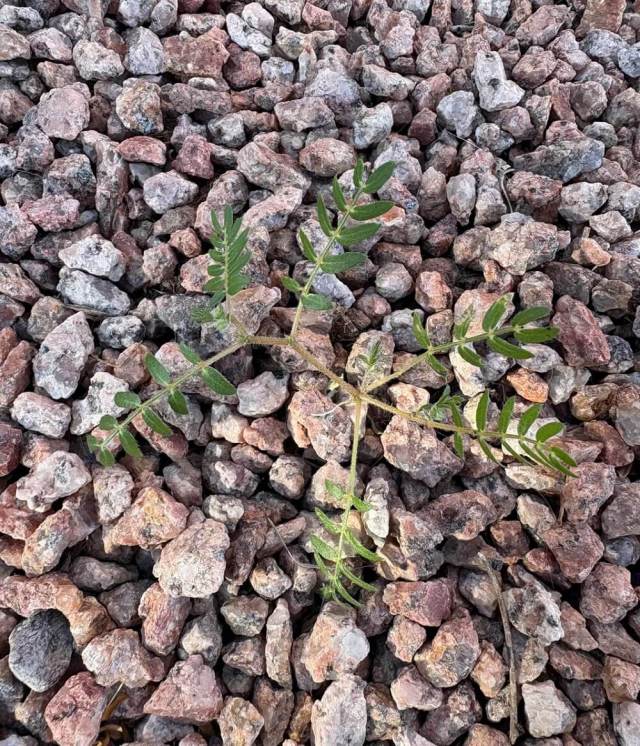
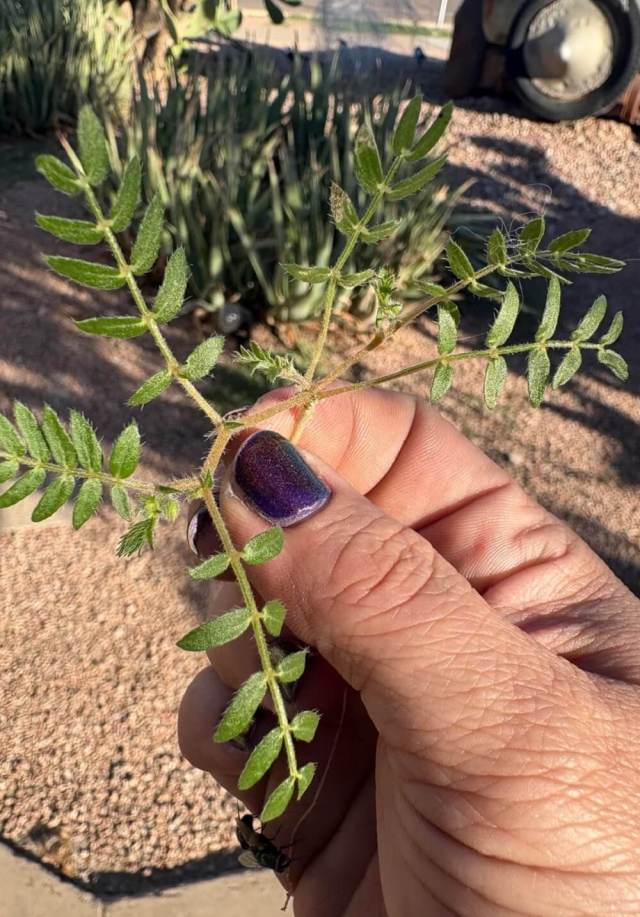
Also known as puncturevine or Tribulus terrestris, this weed spreads aggressively and produces spiked seed pods strong enough to injure human feet and pet paws — and even pierce bike tires. Once it takes hold, it can choke out native plants and is a nightmare to get rid of.
This is part of why homeowners are quick to sound alarms about invasive species. They're not just frustrating to remove (which is both time-consuming and costly) — they also upset the ecological balance that supports healthy soil, pollinators, and food webs.
The good news is that landscaping with native plants, buffalo grass, or clover can reduce the chance of invasive plants taking over in the first place.
TCD Picks » EDF Spotlight
💡EDF's Vital Signs newsletter delivers stories about game-changing solutions close to home and around the world



Rewilding your yard requires less water, less maintenance, and fewer chemical inputs — saving homeowners money and effort. Native plants also support pollinators, which are essential for protecting our food supply. Even partially upgrading to a natural lawn can offer big benefits.
With invasive plants becoming more resilient as rising temperatures reshape climates, early removal and more resilient landscaping — including techniques such as xeriscaping — are becoming key strategies for protecting yards and local ecosystems.
Commenters across the thread shared their own frustrations with the weed.
"I absolutely hate those," one wrote.
|
What's the hardest thing about taking care of your yard? Click your choice to see results and speak your mind. |
 Mowing the lawn 🏡
 Another user added: "Every time I thought mine were gone, nope, new ones started appearing not long later. One of the worst yard problems I ever dealt with."
A third chimed in: "These are completely unstoppable weeds!!"

💰Get TCD's free newsletters for easy tips to save more, waste less, and make smarter choices — and earn up to $5,000 toward clean upgrades in TCD's exclusive Rewards Club.
Cool Picks