


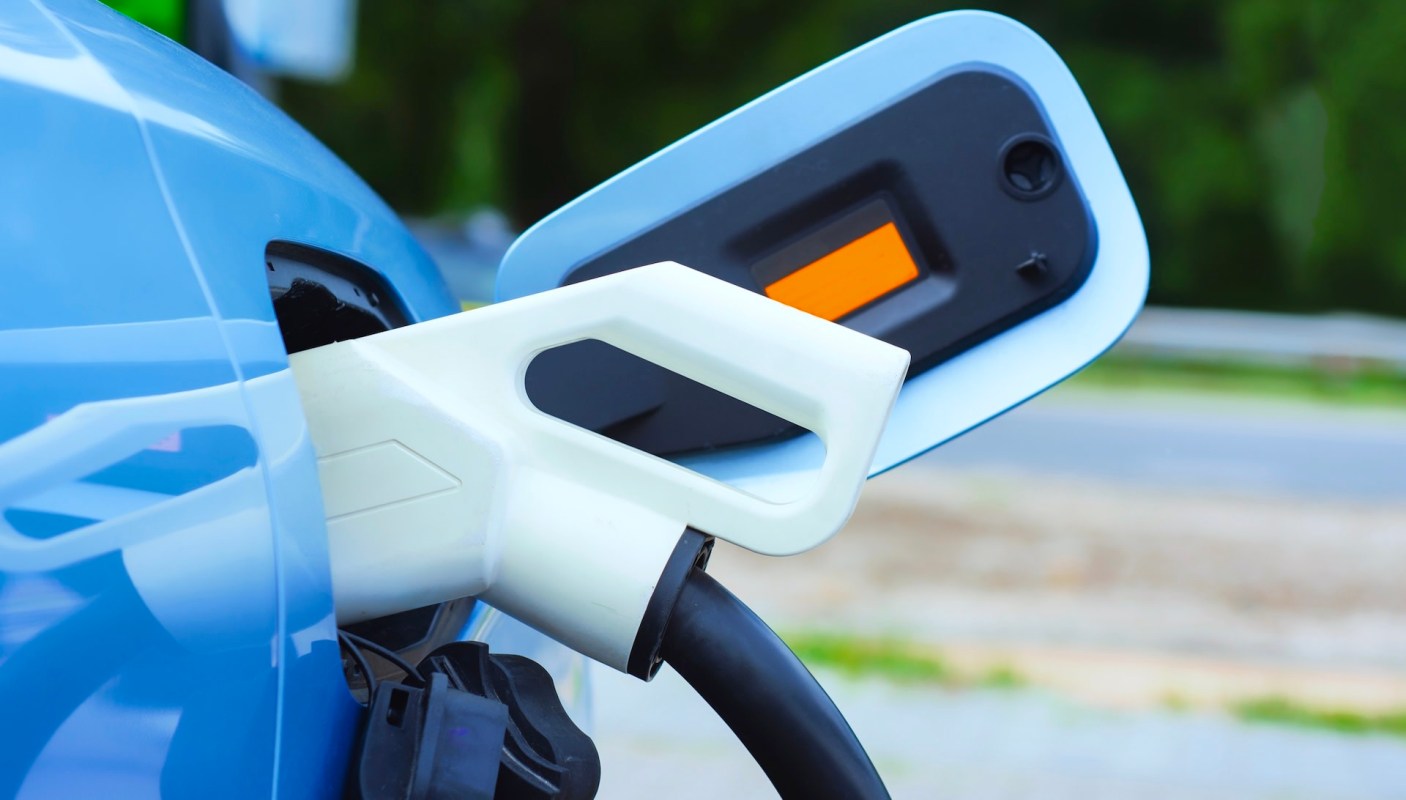
Here's another green flag for going electric: four out of five electric vehicles beat their gas-powered counterparts in total cost savings — showing that going electric is kinder to the planet and easier on the wallet.
A cost analysis by Atlas EV Hub showed that it's generally cheaper to own EVs than gas cars. Although some EVs have higher upfront costs, they have lower fuel and maintenance costs, making them more economical in the long run.
Atlas founder Nick Nigro noted that EVs "continue to offer compelling cost advantages for many drivers," even as incentives shift. Of the five comparisons made, four showed EVs winning on cost. The only exception was the electric pickup, which remained slightly more expensive than its gas version over seven years of use.
The analysis also noted that most EVs remain cheaper to own despite the repeal of the federal tax credit, though buyers now see smaller savings than before.
Charging EVs at home rather than using public chargers can further reduce fuel costs, especially overnight when power rates are typically lowest. When drivers plug in their cars while they sleep, they can slash fuel costs by hundreds of dollars per year.
For homeowners ready to set up their own charging station, Qmerit is a good place to start. They offer free estimates on Level 2 chargers customized to specific electrical panels and garage setups.
Home solar can stretch those benefits even further. Using solar panels to charge EVs can cut charging costs by up to 60%, based on estimates by EnergySage. Solar charging for a small EV would only cost $200 to $300 annually — a fraction of what many drivers spend on gas in a single month.
Beyond personal cost savings, going electric can help save the planet. Every mile powered by electricity — instead of gasoline — reduces pollution. Moreover, when EV owners use solar to charge at home, those benefits multiply.
Save $10,000 on solar panels without even sharing your phone number Want to go solar but not sure who to trust? EnergySage has your back with free and transparent quotes from fully vetted providers in your area. To get started, just answer a few questions about your home — no phone number required. Within a day or two, EnergySage will email you the best options for your needs, and their expert advisers can help you compare quotes and pick a winner. Solar panels can save you more than $50k over their 25-year lifespan, and EnergySage can help you save as much as $10k on installation. Which begs the question — isn't that worth an email or two? |

After reviewing multiple studies, the International Council on Clean Transportation found that EVs are significantly cleaner than combustion vehicles. Electric SUVs, for instance, contribute 71% fewer heat-trapping gases than their gas counterparts.
EVs also convert energy more efficiently. EVs can convert up to 91% of stored energy into motion, compared to about 25% for gas-powered vehicles, with the rest lost as heat and mechanical inefficiencies, according to the Environmental Protection Agency.
|
When do you think the average EV will be cheaper than the average gas-powered car? Click your choice to see results and speak your mind. |
 In the next 5 years ⏱️
 As more data points to lower lifetime costs and improved efficiency, EV adoption continues to expand among drivers who previously remained undecided.
Consumers who want to switch to EVs and maximize cost savings can get started by requesting a free quote from Qmerit and checking out solar solutions in the Solar Explorer — a great place to find reliable providers and TCD's partners who help homeowners save up to $10,000 on solar installation, get solar panels installed at zero upfront costs, and gain more savings through tax credits.
For many households, pairing home charging with solar remains one of the most cost-effective ways to manage long-term vehicle and energy expenses.

💰Get TCD's free newsletters for easy tips to save more, waste less, and make smarter choices — and earn up to $5,000 toward clean upgrades in TCD's exclusive Rewards Club.






