


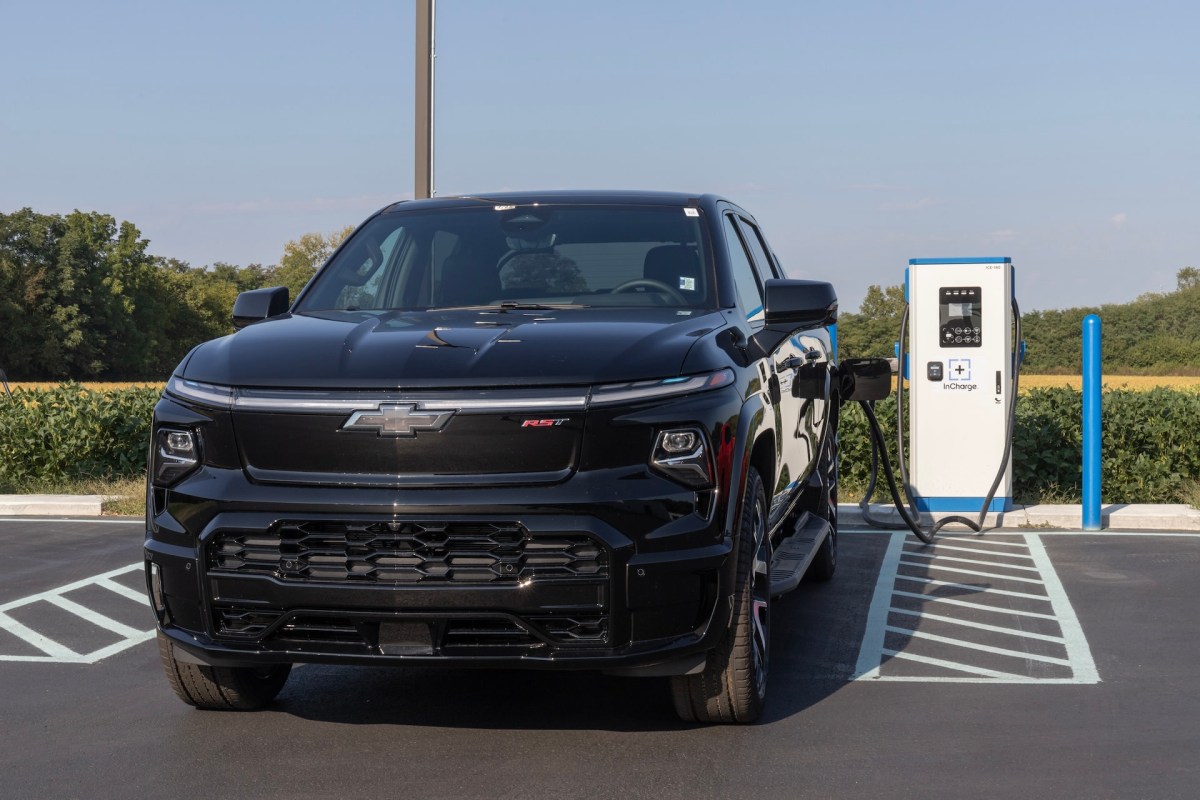
Electric vehicles generally offer lower average maintenance costs than gas-powered cars. Over the years, advancements in battery technology have enabled EVs to travel farther on a single charge than ever before.
Despite this, one of the biggest myths surrounding EVs is that their batteries have limited power and will need to be replaced after a short time.
According to leading EV analytics firm Recurrent, that myth appears to have been laid to rest. In a recent study released by the firm, data indicates that EV batteries are lasting longer than previously expected, with many modern batteries projected to last up to 20 years before drivers notice a significant performance decline.
While factors like temperature extremes, frequent fast charging, and poor charging habits can shorten a battery's lifespan, the new analysis found that real-world driving may have less impact on battery health than drivers might think.
As noted by Recurrent, just 4% of all EVs have needed a battery replacement. That even includes vehicles over 10 years old. In fact, battery replacement is becoming "exceedingly rare" in newer EVs. In vehicles released since 2022, the battery replacement rate is just 0.3%.
Perhaps even more surprising, a majority of leading EV automakers appear to be making great strides in improving EV range availability. After three years of testing, brands such as Cadillac, Hyundai, and Mercedes-Benz all showed no decrease in battery range, meaning each battery has remained as efficient today as it was brand-new.
TCD Picks » Quince Spotlight
💡These best-sellers from Quince deliver affordable, sustainable luxury for all




Liz Najman, Recurrent's director of market insights, spoke to InsideEVs regarding the study's findings. She explained that lithium-ion batteries often degrade in an S-shaped curve, with degradation happening quickly in newer batteries before leveling off. Even with a slight decrease, the batteries surpassed expectations set by the Environmental Protection Agency.
"We found that most EVs actually exceed their EPA rating for the first year or two at least that they're on the road," Najman said. "So even though the batteries are aging and even though the car is getting older, the range really should stay at or above the EPA range for several years, which should be a very wonderful surprise and a great driving experience for a lot of people."
Longer-lasting EV batteries can not only lower the frequency of battery replacement, but they also decrease the energy and resources needed for manufacturing. This can cut down on waste and lessen the carbon impact associated with battery production.
|
Do you worry about the longevity of EV batteries? Click your choice to see results and speak your mind. |
 For sure 💯
💰Get TCD's free newsletters for easy tips to save more, waste less, and make smarter choices — and earn up to $5,000 toward clean upgrades in TCD's exclusive Rewards Club.






