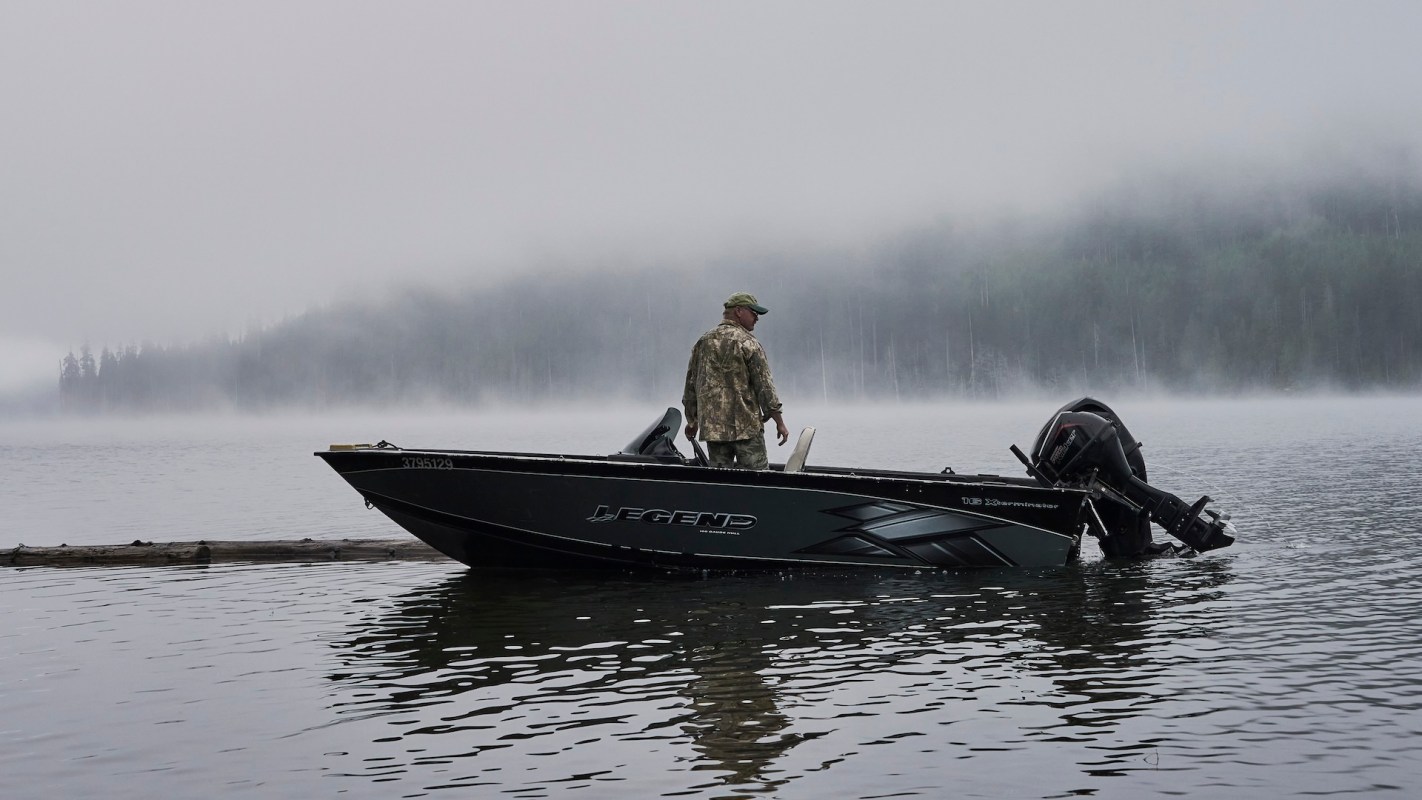
Inspectors in Hubbard County, Minnesota, are hitting the panic button after catching invasive zebra mussels hitching rides on boats leaving local lakes.
According to the Park Rapids Enterprise, officials found the pests clinging to vessels exiting Lake Plantagenet multiple times this summer.
What's happening?
In two separate cases, boaters with mussel-infested vessels were about to launch into the uninfested Grace Lake within 48 hours. Talk about a close call. But it is just one piece of a messy puzzle. Data shows that 23% of watercraft entering the county are coming from waters already infested with these pests.
Zebra mussels are tiny, about the size of a fingernail, but they are stubborn. Once they latch onto boat hulls, docks, or motors, they cement themselves in place. Think of them like underwater termites. Once they move in, evicting them is a nightmare.
Why is this concerning?
They throw local ecosystems into chaos by devouring zooplankton, effectively robbing native fish of their primary food source. It is basically like someone raiding your pantry, locking the door, and leaving you with nothing to eat. They also clog irrigation intakes and pipes, causing expensive damage to infrastructure.
A single female can release up to one million eggs a year, allowing populations to explode and overwhelm a lake in no time.
TCD Picks » Quince Spotlight
💡These best-sellers from Quince deliver affordable, sustainable luxury for all




Once established, getting rid of them is nearly impossible. Local facilities are already scrambling. A hatchery on the Fish Hook River now has to install UV filters just to treat incoming water.
"We have to keep everything separate," Carl Pedersen, a DNR fisheries supervisor, told the Park Rapids Enterprise.
What's being done about it?
Prevention is the only real defense we have right now. Officials are begging boaters to stick to the "Clean, Drain, Dry" method. You have to clean off mud and plants, drain water from motors, and let equipment dry for at least five days.
But it's not all doom and gloom. Researchers at the University of Minnesota found treatments, including Niclosamide, that kill over 90% of zebra mussels even in cold water.
|
Should the government be allowed to ban certain plants? Click your choice to see results and speak your mind. |
 Definitely 👍
 Protecting native species isn't just about saving a specific fish. It is about keeping the whole food web from collapsing. Invasive species decimate native ecology by outcompeting them for resources. Prioritizing native habitats limits disease spread and protects natural resources, which helps delay further damage to our cleaner, safer future.
For those wanting to learn more about the ripple effects of these invasions, there is a lot of useful information available to help you explore more critical climate issues.

💰Get TCD's free newsletters for easy tips to save more, waste less, and make smarter choices — and earn up to $5,000 toward clean upgrades in TCD's exclusive Rewards Club.