


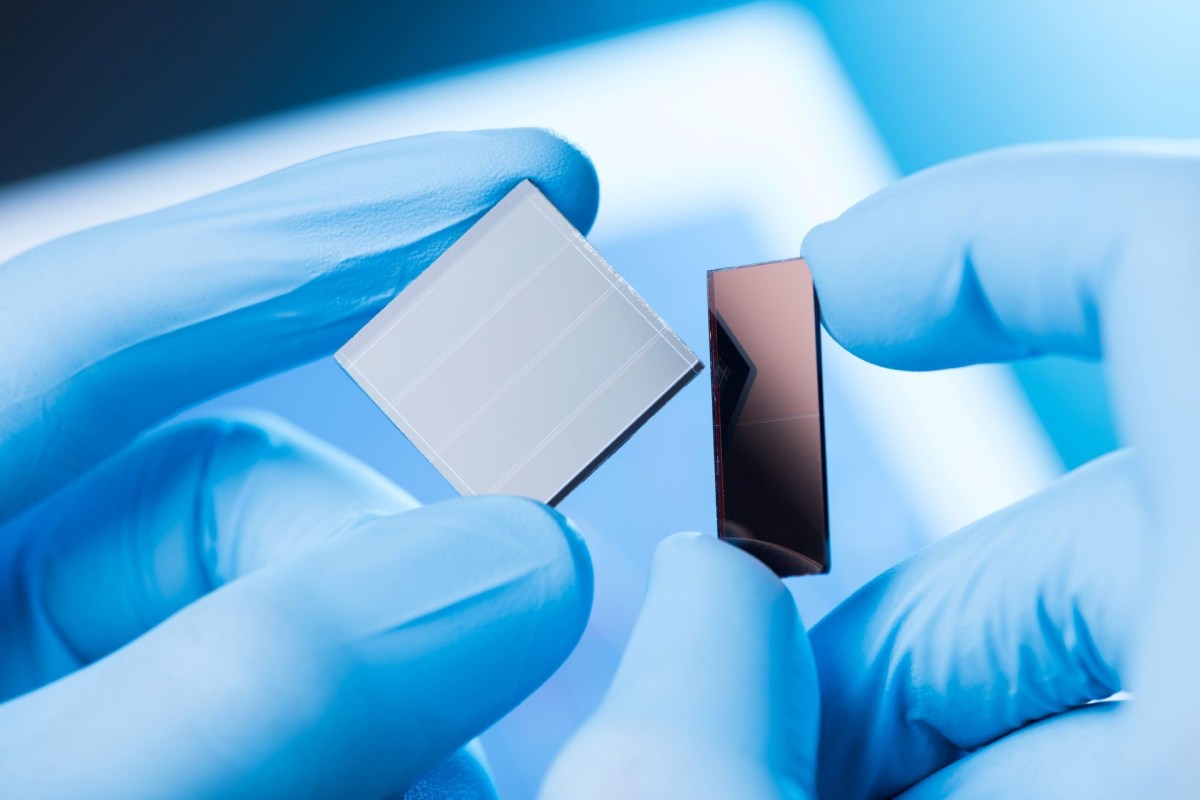
A new development by researchers at the University of Queensland's Australian Institute for Bioengineering and Nanotechnology (AIBN) may help advance safer and more sustainable grid-scale battery energy storage systems.
Their solution is a new solid electrolyte made from a fluorinated block copolymer called P(Na3-EO7)-PFPE, which is a plastic-like material that is not flammable and inhibits dendrite growth, solving two major design problems, according to Interesting Engineering.
Sodium metal batteries (SMBs) offer a more sustainable solution than lithium-ion models for grid-scale energy storage due to their low cost and sodium's broad availability, but safety and performance issues have been a barrier to real-world applications.
"Most batteries use a liquid electrolyte, but these liquids are flammable and can overheat, causing fires like we've seen in electric vehicles and e-scooter batteries," said AIBN Group Leader Dr. Cheng Zhang.
Many of these fires stem from dendrite growth that forms within the electrolyte and pierces internal layers, which can result in short circuits after repeated charge cycles, compromising both safety and reliability.
Lithium-ion battery technology has led the energy transition, particularly for electric vehicles and grid storage, which research suggests will reach a market size of $129.3 billion by 2027.
TCD Picks » Quince Spotlight
💡These best-sellers from Quince deliver affordable, sustainable luxury for all




However, lithium mining can be environmentally destructive and costly, using up local water supplies and contributing to land degradation, creating an opportunity for alternative methods and materials.
SMBs offer a more sustainable option, but researchers have struggled to match the efficiency of lithium-ion batteries at room temperatures.
Now, with their solid-state electrolyte material inside an SMB, researchers said they achieved an operating time of over 5,000 hours at 176 degrees Fahrenheit, while retaining over 91% of its capacity following 1,000 charging cycles, according to the report.
"This kind of long-term performance is essential for grid-level energy storage," said Dr. Zhang.
|
Should the U.S. be investing more in battery production to catch up with China?
Click your choice to see results and speak your mind. |
 Absolutely 📈
 Battery storage systems are key to properly harnessing the sustainable energy generated through intermittent sources like solar and wind power. Their combined use can help reduce energy costs for consumers while reducing reliance on dirty fuels.
AIBN PhD student Zhou Chen, who helped develop this new material with Dr. Zhang, used his background in computational modeling and hands-on engineering experience with battery manufacturer BYD to help achieve these promising results, according to an AIBN report.
"Our next challenge now is to optimize its efficiency at room temperature, which is the critical step toward making it commercially viable," Dr. Zhang added.
Similar efforts with sodium-based solid-state batteries are finding success. Researchers at the University of Maryland claim to have successfully tested theirs at room temperatures with positive results.
At the University of Chicago, scientists have crystallized sodium hydridoborate for their solid electrolyte, with reliable test results ranging from room temperature to below freezing.

💰Get TCD's free newsletters for easy tips to save more, waste less, and make smarter choices — and earn up to $5,000 toward clean upgrades in TCD's exclusive Rewards Club.






