


Conservationists have been celebrating a hard-earned win after tracking a dramatic increase in the breeding numbers of a threatened bird.
According to the BBC, the little tern is the United Kingdom's smallest and most threatened seabird. Since the 1980s, the number of little terns has dropped by nearly 40%, largely due to habitat loss.
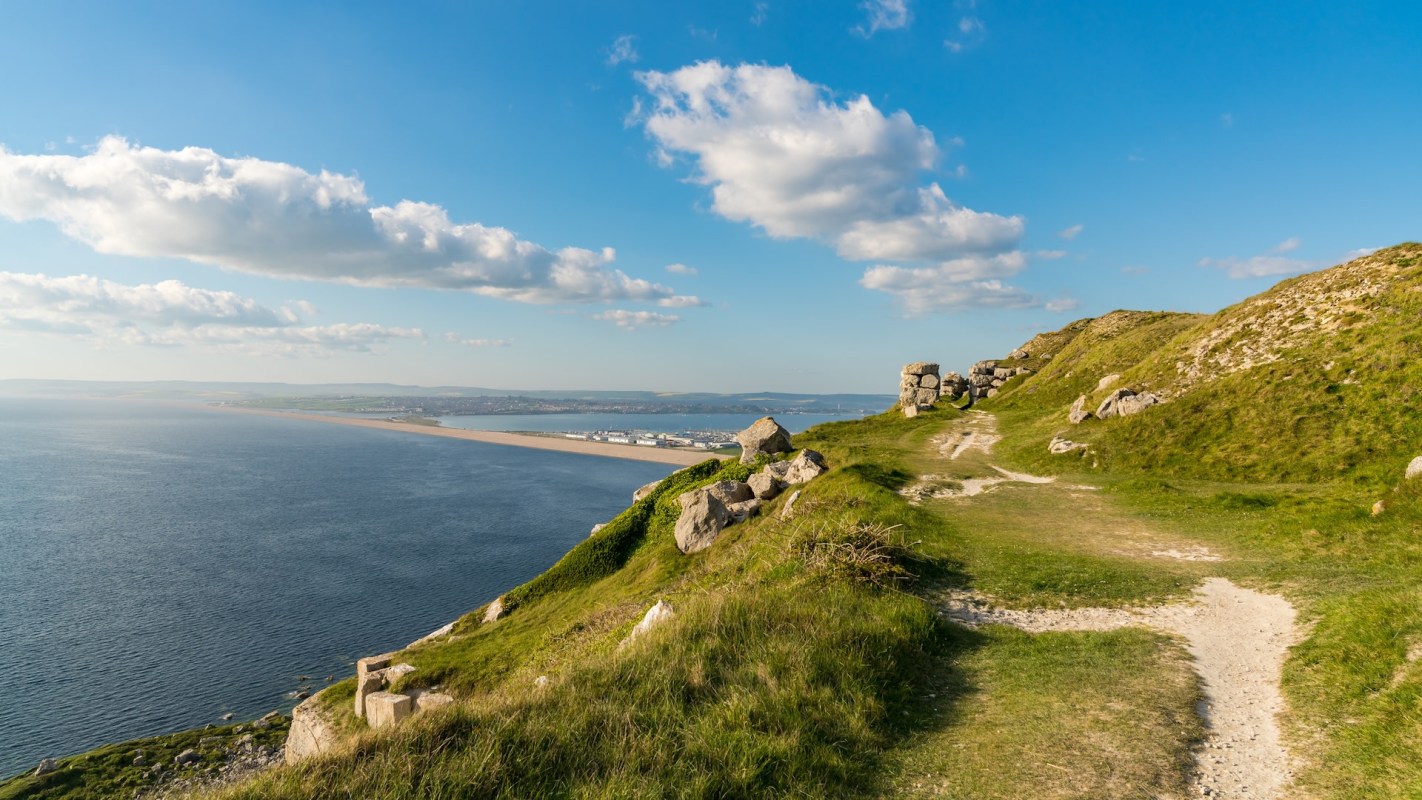
However, in Dorset, England, locals have sought to reverse that trend through the Chesil Little Tern Recovery Project. In 2021, just three little tern hatchlings hatched at Chesil Beach. Thanks to conservation efforts, that number increased to 39 this year, per the BBC.
Mary Stevens, a volunteer, has been making the 6 a.m. trek to Chesil Beach three days per week to check in on the little terns. She said that the birds' "fiery chattering, superb flying techniques and determination to succeed in breeding was always worth it," as quoted by the BBC.
Despite weighing only about as much as a tennis ball, little terns migrate all the way from West Africa to the U.K. every year to breed, according to the Royal Society for the Protection of Birds.
Volunteers like Stevens identify little tern nests and protect them using temporary fencing that shields them from people, pets, and predators.
TCD Picks » Quince Spotlight
💡These best-sellers from Quince deliver affordable, sustainable luxury for all




The growing number of little tern hatchlings being counted on Chesil Beach has been just one example of how conservation efforts can help at-risk species recover.
Elsewhere in the U.K., conservationists have helped the spoonbill return to areas where the bird had not been seen for centuries because of overhunting and habitat destruction.
Conservation can work for plants as well as animals. In Scotland, preventing overgrazing by sheep and other livestock has helped a native plant, the sticky catchfly, increase its numbers threefold in recent years.
Conserving native species helps maintain local character and culture, driving industries such as tourism, birdwatching, and fishing. Additionally, conservation efforts help to maintain the delicate balance of ecosystems, which humans rely on for food production and other natural services.
|
Do you think America does a good job of protecting its natural beauty? Click your choice to see results and speak your mind. |
 Definitely 👍
💰Get TCD's free newsletters for easy tips to save more, waste less, and make smarter choices — and earn up to $5,000 toward clean upgrades in TCD's exclusive Rewards Club.







