As of October, the leopard species has been officially reclassified as endangered in West Africa, following a 50% population decline over the past 20 years, according to Mongabay.
What's happening?
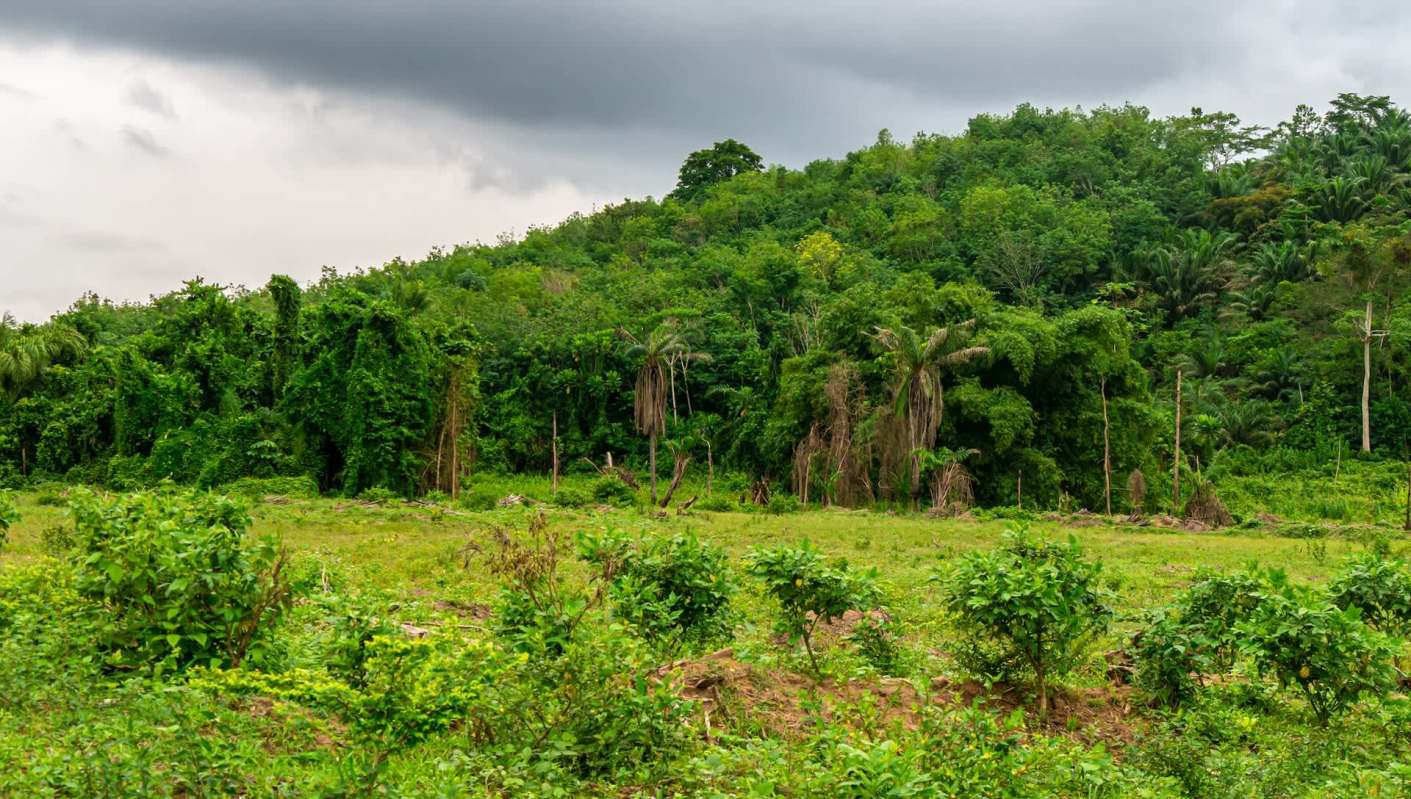
Leopard populations might remain relatively healthy around most of Africa — but the western part of the continent has been suffering a steep loss in these majestic creatures.
The latest estimates from the International Union for Conservation of Nature indicate that only around 350 mature leopards remain in the region.
What's worse, the 11 affected countries have fewer resources to allocate to research and conservation efforts, meaning much of the damage goes unnoticed, according to Mongabay.
"West Africa has far less funding, fewer researchers, and much less of a conservation culture compared to East and Southern Africa," said Robin Horion, a field technician for the American wild cat conservation group Panthera.
"There is also much less tourism. All of this means that species are disappearing in almost complete silence," Horizon warned.
TCD Picks » EDF Spotlight
💡EDF's Vital Signs newsletter delivers stories about game-changing solutions close to home and around the world



Why is leopard loss concerning?
The disappearance of leopards — one of the area's primary carnivorous species — suggests a decline in other animal populations, particularly the prey species that would otherwise help sustain them.
Like poaching, which reduces the amount of bushmeat available to leopards, many human activities are environmentally harmful and encroach on the natural habitats that would otherwise belong to these leopards and other wildlife, leading to a general decline in biodiversity in West Africa.
Meanwhile, the leopard problem is only one example of a broader trend of species loss worldwide, particularly due to pollution and natural disturbances caused by human activity.
In other words, the shrublands and savannahs that are typically home to African leopards aren't the only habitats affected — urbanization takes over vast swaths of wildlife habitats as we struggle to make room for land development and industrial needs.
TCD Picks » Quince Spotlight
💡These best-sellers from Quince deliver affordable, sustainable luxury for all




|
Do you think America does a good job of protecting its natural beauty? Click your choice to see results and speak your mind. |
 Definitely 👍
 What's being done to protect wildlife?
Conservation strategies tailored to the circumstances are essential to ensuring that leopards and other threatened and endangered species recover despite the challenges that put them at risk.
The fact that the loss of leopards has been relatively unexplored by regional governments so far is part of the issue — if we don't recognize that there's a problem, we can't adequately invest in the proper solutions.
"We need a regional strategy, to bring together the countries concerned so that we can strengthen park patrols and improve conservation," Horion told Mongabay.

Join our free newsletter for good news and useful tips, and don't miss this cool list of easy ways to help yourself while helping the planet.
Cool Picks