


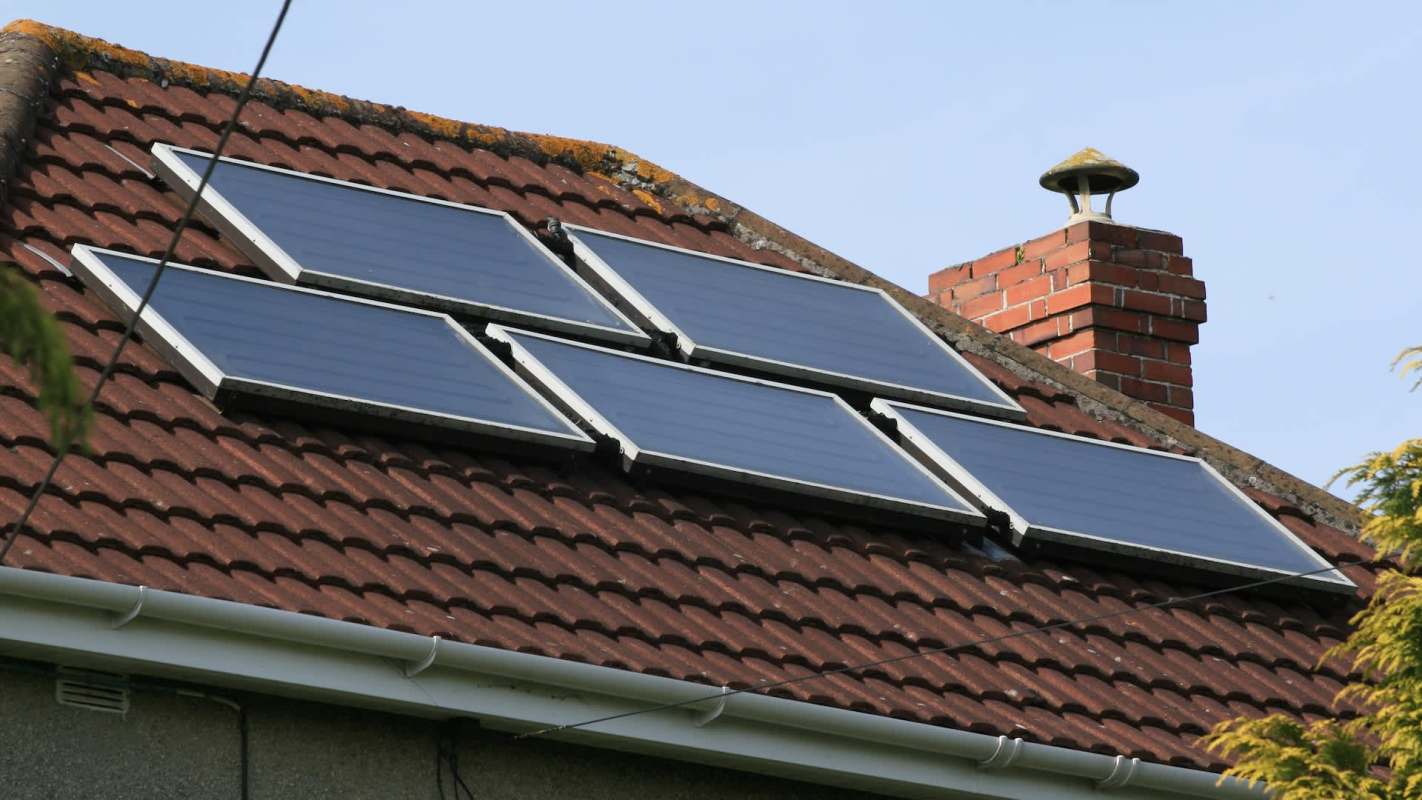
Many homeowners who are adding rooftop solar view the installation date as an Independence Day of sorts.
That's according to survey results showing that 39.6% of respondents said that energy independence is the main reason they put solar panels on their homes. The poll was conducted by tech publication Electrek.
"Proving, if nothing else, that … readers might be willing to spend a little more to do something positive for their environment and their community," the news site's Jo Borrás wrote.
The arrays have multiple benefits, including lessening reliance on an increasingly strained grid, serving as blackout protection, and reducing or even eliminating utility bills.
"Solar equals energy independence," Martyna Kowalczyk, owner of Solartime USA in Texas, told EnergySage. It's an online resource that helps homeowners compare quotes, find an installer, and secure tax breaks for panels before they end on Dec. 31. The advice can help you save up to $10,000.
"You want to be independent from [the] utility raising your power bill, and actually providing you with power. So you generate your power. And during the day, you put it in your battery. You deploy that power at night. And then you repeat that cycle day and night," Kowalczyk added.
Saving money and helping the environment were the next two highest responses in Electrek's survey. Solar energy is produced with no heat-trapping air pollution, while limiting reliance on dirty fuels. NASA has linked our planet's warming to increased risks for severe weather, which is impacting insurance coverages and premiums.
An overlooked benefit, noted by less than 3% of respondents, is increased property values. Solar Insure found that homes with owned panels sold for 5% to 10% more than comparable houses without an array, according to its research.
Get $1,000 cash to slash your bills with rooftop solar panels for $0 down and low monthly payments Whatever your solar budget, Palmetto can help you save. If you want to buy your own panels, Palmetto's advisors can help you save up to $10,000 on installation through a network of preferred installers. And if you'd rather get solar savings without upfront costs, Palmetto's revolutionary LightReach subscription program can deliver — including an exclusive $1,000 cashback offer for TCD readers. LightReach lets you lease solar panels with no money down, making it painless to lock in long-term savings of up to 33% off your current power bill. Palmetto covers a 25-year warranty for the panels, which means you'll get reliable performance without unforeseen costs. To get started, just book a short meeting with Palmetto's experts to explore your options and find the solution that's right for you. |

EnergySage reported that panels can cost up to $30,000, a significant hurdle for potential customers who don't want upfront costs. Palmetto's leasing program, LightReach, is an option that avoids that initial bill. Renters pay a set monthly fee and use all the energy generated to offset electricity rates. Palmetto is responsible for installation, maintenance, and eventual removal of the technology.
It's important to know the pros and cons of buying and renting, and Palmetto addresses each as part of its review.
|
If you don't have solar panels on your home, which of these factors is the biggest barrier to installing them? Click your choice to see results and speak your mind. |
 Upfront costs 💰
 EnergySage also has a mapping tool that compares costs and incentives on a state-by-state level. The resource can ensure you don't miss out on local savings. If you feel ready to start getting quotes, TCD's own Solar Explorer page is a great place to begin.
Efficient tech inside your home can help you realize more benefits, regardless of the solar route you take. Heat pumps, as one example, are a great HVAC upgrade that can reduce the electricity you burn for heating by up to 75%, the Department of Energy reported. Mitsubishi can help you find the right, affordable heat pump and an installer.
It all starts with catching the sun's energy, which EnergySage's team said is a worthwhile investment for most homeowners. The panels last 25 years on average, and some up to 40.
"It's most helpful to think about solar panels as an investment. It takes an average of 10.5 years to earn back the money you spend … After that point, the electricity from your solar panels is free," the resource's Emily Walker wrote.

Join our free newsletter for easy tips to save more and waste less, and don't miss this cool list of easy ways to help yourself while helping the planet.






