


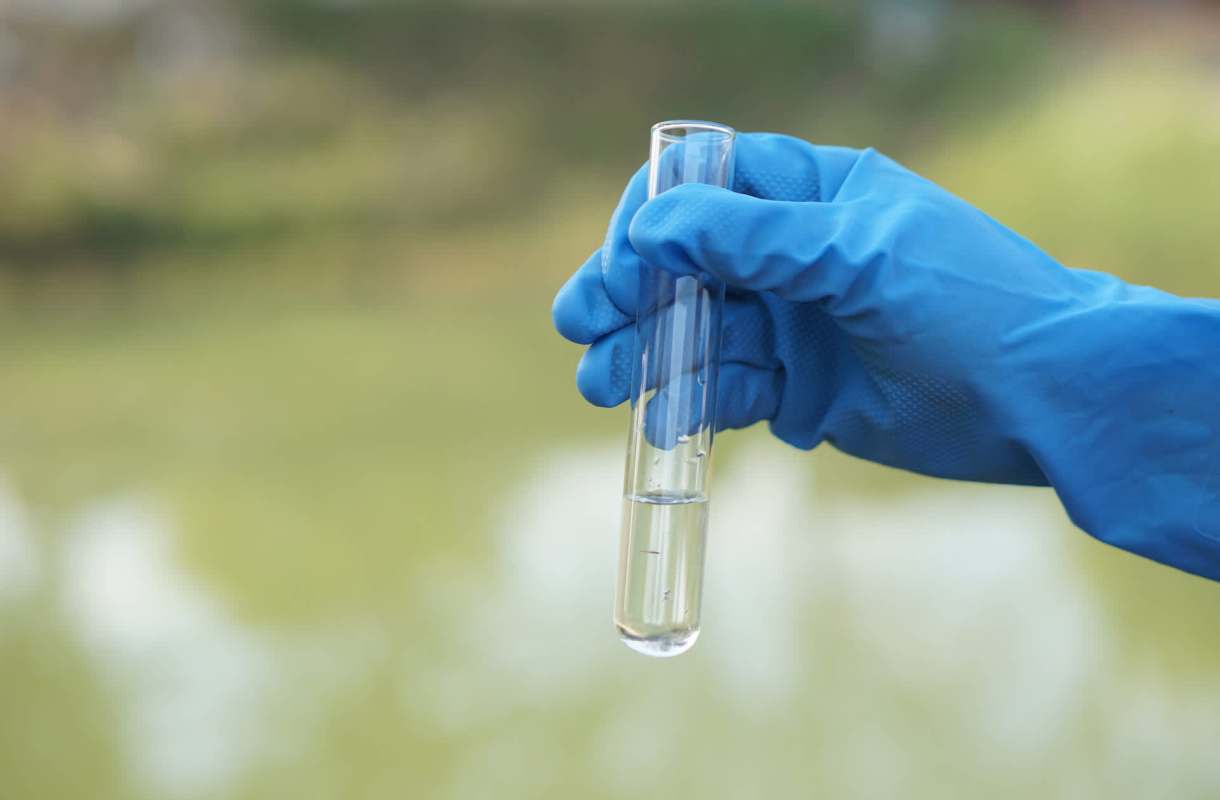
The Wisconsin Department of Natural Resources is considering raising the state's standards for per- and polyfluoroalkyl substances — or PFAS — in public drinking water to match federal limits set in 2024, Wisconsin Public Radio reported in early October. However, those federal standards are currently being contested in court, and water utilities and chemical companies argue that this is grounds to oppose state-level adoption of more stringent guidelines.
What's happening?
Earlier this month, the WDNR held a public hearing to discuss and establish statewide drinking water standards, also known as Maximum Contaminant Levels. MCLs set the legally permitted limits for contaminants or pollutants in water, preventing water facilities and similar companies from distributing drinking water that is heavily contaminated.
The state is considering aligning its MCLs with federal drinking water standards set by the United States Environmental Protection Agency in 2024, which regulate six common PFAS. In September, however, the EPA filed a motion in federal court to essentially rescind portions of the standards it had established last year under the previous administration.
In a lawsuit filed by the American Water Works Association and Association of Metropolitan Water Agencies against the EPA in 2024 in response to its more stringent limits, the plaintiffs argue the agency "did not follow required legal steps under the Safe Drinking Water Act when it set new drinking water standards for certain per- and polyfluoroalkyl substances under the Biden administration," according to Waste Dive. The EPA, under the Trump administration, has told the court that it now agrees with the plaintiffs regarding the inclusion of PFHxS, PFNA, PFBS, and GenX in its 2024 standards, with the Natural Resources Defense Council, an advocacy group, saying this could be seen as an agency rollback on those four PFAS chemicals.
The EPA also announced last spring that it would extend the deadline for water and utility companies to comply with federal standards by two years, from 2029 to 2031.
Those who oppose moving to align Wisconsin's drinking water standards with federal guidelines — including water facilities and chemical companies — are citing the deadline extensions and ongoing litigation as reasons to leave things the way they are.
TCD Picks » Quince Spotlight
💡These best-sellers from Quince deliver affordable, sustainable luxury for all




"It's premature and irresponsible for the DNR to replace our current PFAS drinking water standards with new, costlier federal standards that could change due to litigation or administrative action by the EPA," said Scott Manley, executive vice president of Wisconsin Manufacturers and Commerce, per WPR.
Detractors have noted the potential costs of raising drinking water standards in the state. The public radio outlet reported that the WDNR estimates higher standards "may cost water utilities and businesses $26.6 million" in the first year of implementation. Proponents of stricter limits say the health-related costs of PFAS contamination could far outstrip this estimate.
Why is safe drinking water important?
Safeguarding public drinking water is a national and global health priority. Relatedly, the EPA has previously recognized that exposure to PFAS may lead to adverse health effects, including reproductive issues, developmental concerns, and certain cancers.
PFAS have been nicknamed "forever chemicals" for their persistence in the human body and the environment, as the class of synthetic chemicals does not readily break down. This could pose generational implications, with chemicals potentially passed from mother to child and soil and groundwater systems potentially polluted for decades, impacting wildlife and food systems.
|
How often do you worry about the quality of your drinking water? Click your choice to see results and speak your mind. |
 Never 👎
 What's being done?
The WDNR hopes to submit its rule establishing stricter PFAS limits for approval by the Natural Resources Board in January 2026, WPR reported. The rule would then need to be approved by the governor and the legislature.
Meanwhile, the NRDC has said that the briefing regarding the EPA's motion to have the courts roll back portions of the 2024 federal standards "likely will be completed by winter or spring 2026."
Since Wisconsin law requires state standards to be at least as strict as federal standards, those fighting to limit PFAS in drinking water may be feeling a sense of urgency to get more stringent state laws on the books. "If the challenge is successful, then obviously there would be no obligation for Wisconsin to comply with the [federal] rule because the rule wouldn't exist anymore," David Strifling, of the Water Law and Policy Initiative at Marquette University Law School, told WPR.
PFAS already in the environment will need to be cleaned up regardless. The prevalence of the chemicals can make this difficult, but scientists are working to address the problem.
One research team has developed a highly porous 3D-printed structure to attract and trap PFAS in water. Another has also experimented with using ultraviolet light to break down common PFAS compounds.
While the fate of public drinking water standards at the federal and state levels remains uncertain, homeowners might consider installing water filters certified to remove PFAS and raising funds to make the technology more equitably accessible in their communities.

Join our free newsletter for good news and useful tips, and don't miss this cool list of easy ways to help yourself while helping the planet.






