


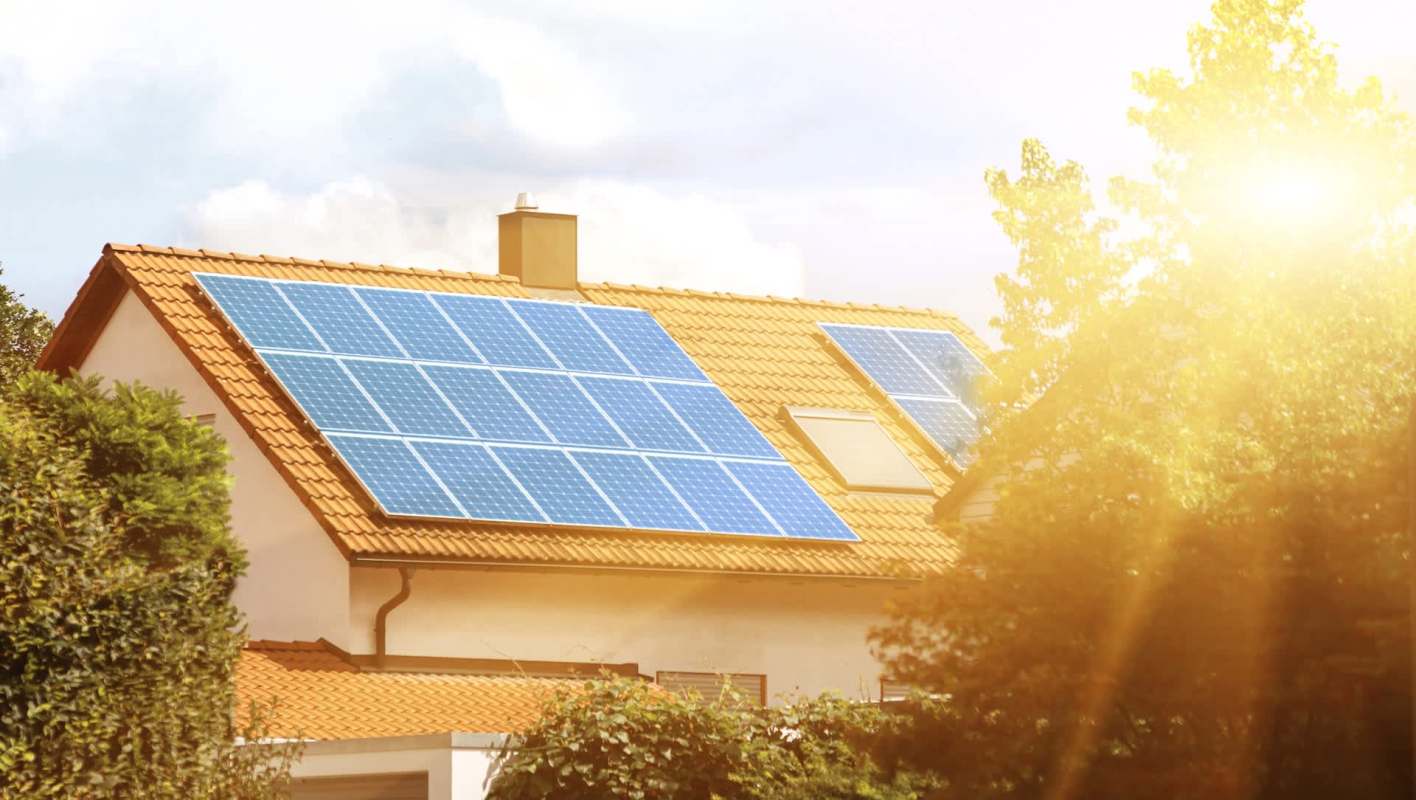
Despite policy uncertainty from Washington, the U.S. solar industry continues to shine.
A new report from the Solar Energy Industries Association and global energy research group Wood Mackenzie shows that nearly 18 gigawatts of new solar capacity was installed in the first half of 2025, a milestone that highlights how quickly clean energy is becoming a dominant force in America's power mix.
Together, solar and battery storage accounted for 82% of all new electricity added to the grid during that time.
Much of that growth is happening in places you might not expect. According to the report, 77% of new solar capacity installed this year so far came from states across the South and Midwest; Texas, Indiana, Arizona, Florida, Ohio, Missouri, Kentucky, and Arkansas constituted eight of the top 10 states for new installations. These projects are helping lower energy costs, create jobs, and strengthen local economies while reducing planet-overheating pollution.
Solar manufacturing is expanding, too. In the first half of 2025, the U.S. added 13 GW of new solar module production capacity, with major new expanded facilities in Texas, Indiana, and Minnesota. That brings total domestic manufacturing capacity to 55 GW, a promising sign for energy independence and supply chain resilience.
"Solar and storage are the backbone of America's energy future, delivering the majority of new power to the grid at the lowest cost to families and businesses," said SEIA President and CEO Abigail Ross Hopper in a release.
For homeowners, going solar is one of the most effective ways to save money on energy while supporting the nation's clean energy transition. EnergySage offers free tools to compare quotes from vetted installers and estimate potential savings. Taking advantage of the 30% federal tax credit, which expires at the end of 2025, can save homeowners thousands on solar installation costs.
The average homeowner can save up to $10,000 by using EnergySage to find the best deal. The site's solar mapping tool also shows average costs and available incentives by state, a useful resource for anyone looking to see how much they could save.
Save $10,000 on solar panels without even sharing your phone number Want to go solar but not sure who to trust? EnergySage has your back with free and transparent quotes from fully vetted providers that can help you save as much as $10k on installation. To get started, just answer a few questions about your home — no phone number required. Within a day or two, EnergySage will email you the best local options for your needs, and their expert advisers can help you compare quotes and pick a winner. |

For those not ready to purchase solar panels outright, leasing is a viable option. Palmetto's LightReach program installs solar panels with no money down, letting homeowners lock in lower, more predictable energy rates while reducing their carbon footprint. Pairing solar with other electric upgrades, such as energy-efficient heat pumps from Mitsubishi, can drive utility costs down even further.
With solar installations spreading rapidly across the country — from sun-drenched deserts to farm towns and suburbs — the clean energy boom is no longer just a coastal story. It's a national one, and it's lighting the way toward a more affordable and sustainable energy future.
|
Would you rather sign up for community solar, or install panels on your home?
Click your choice to see results and speak your mind. |
 I want panels 🏠
Join our free newsletter for good news and useful tips, and don't miss this cool list of easy ways to help yourself while helping the planet.






