


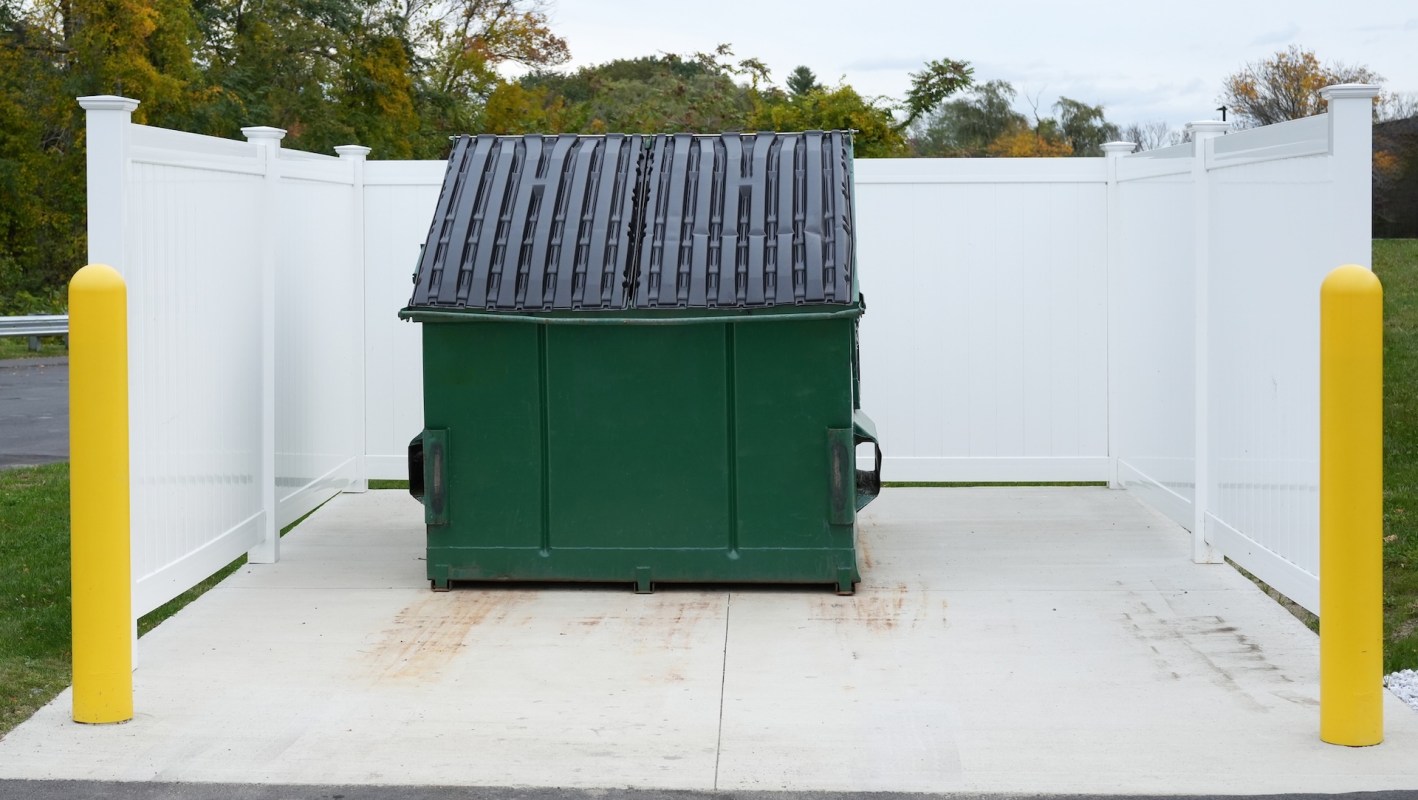
A shopper sparked concern after partaking in a controversial activity: recovering perishable goods from a dumpster. However, she assured everyone that she had things under control.
What's happening?
In r/DumpsterDiving, a Redditor shared a photo of her latest haul from her "favorite dumpsters," which she regularly visits when running errands. Milk, eggs, sour cream, and hot dogs are among the items she saved from going to a landfill.

"There is no sense in wasting gasoline and missing an opportunity," the poster wrote, underscoring her budget-friendly ways in more ways than one.
"Lots of great items here. Glad you were able to save them," one commenter responded.
However, another Reddit user had a pressing question. "How do you confirm that things are safe?" they asked. Eggs may carry Salmonella, a type of bacteria that causes food poisoning. The FDA cautions that they should be stored at temperatures no higher than 40 degrees Fahrenheit.
Dairy products and other perishables should also be stored at low temperatures to minimize the possibility of spoilage or foodborne illness.
TCD Picks » Quince Spotlight
💡These best-sellers from Quince deliver affordable, sustainable luxury for all




Why is this important?
Discarding edible food is not only a waste of resources but also a direct contributor to rising global temperatures, which act as fuel for extreme weather, disrupting the food supply chain. For 2023, a year in which the U.S. hit a record number of billion-dollar weather disasters, the American Farm Bureau Federation estimated nearly $22 billion in crop and rangeland losses.
All of this is happening at a time when millions of Americans, including one in five children, don't have enough food to eat, according to Feeding America. Donating unsold goods that are still fit for consumption would go a long way toward addressing all of these problems.
Why would a retailer discard food that is still good?
Inventory systems may be part of the equation. The poster didn't specify which retailer tossed the goods, but she seemed to have an illuminating relationship with this location's manager.
She said the store received a new shipment of eggs and didn't have room in the cooler for the older batch, which had not expired. This, combined with her powers of observation, helped her ensure the perishable goods were OK to eat, resulting in free groceries.
|
Which of these factors would most effectively motivate you to recycle old clothes and electronics?
Click your choice to see results and speak your mind. |
 Giving me money back 💰
 "My major Dollar type stores pull cold items and immediately put them in cart and roll to dumpster. My specific store manager told me this. She never leaves cold items sitting in a cart in the store," the OP said in response to the commenter's safety concerns. "It's a pest/rat issue. Often she alerts me as to when she's going to toss her cold cases."
What is being done to minimize food waste more broadly?
Stories of management at Kroger and Trader Joe's giving away cold items during power outages to prevent spoilage have also emerged on social media, demonstrating how communities can band together to overcome unexpected situations that lead to food waste. At home, you can freeze food to keep it fresh for longer — or at least, compost scraps if they are no longer edible.
The OP also left prospective dumpster divers with a few final safety tips for recovering perishable foods. All U.S. states allow dumpster diving, though trespassing laws may apply.
"Cold foods are evaluated. How cold or frozen are they? Is the package secure. Is the sale by date, yesterday or next week. Is it from a year ago? Does it smell ? Is it discolored? Anything sketchy gets tossed out," she said. "I'm a safety girl."

Join our free newsletter for good news and useful tips, and don't miss this cool list of easy ways to help yourself while helping the planet.






