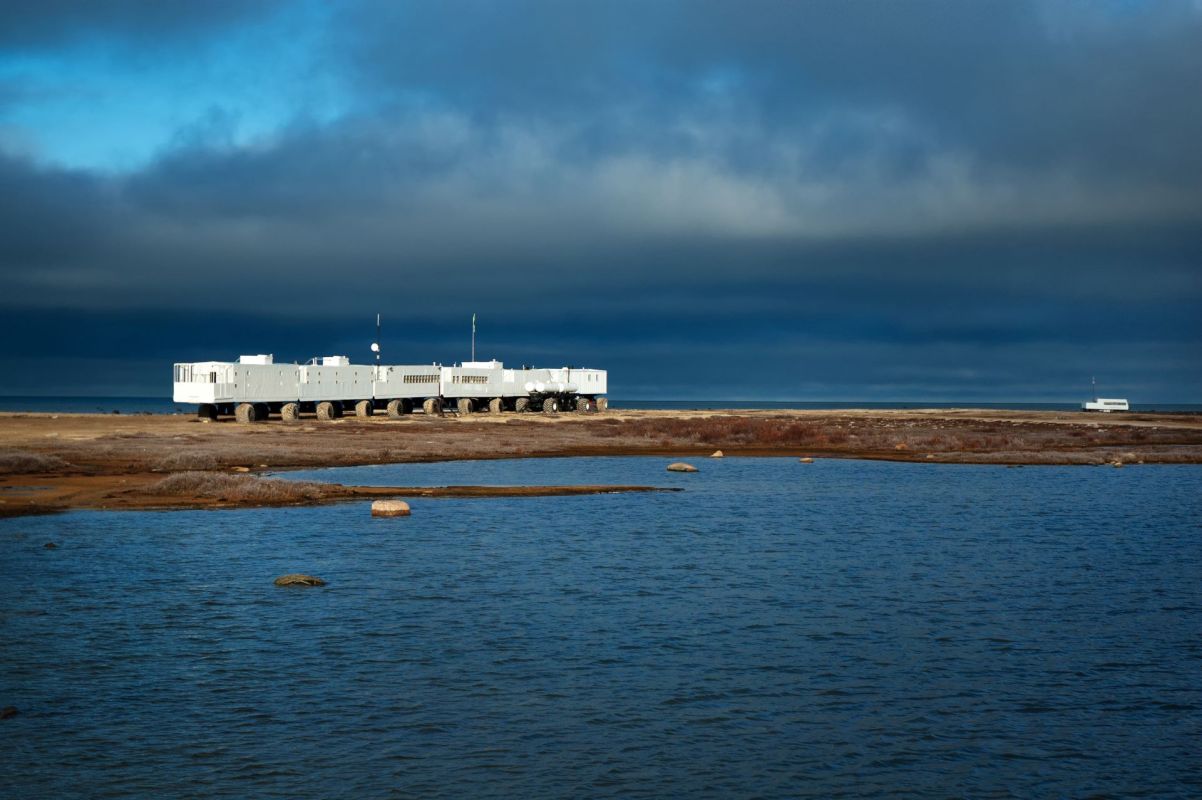
Researchers from Canada's University of Manitoba studying the Hudson Bay warned that ice loss driven by rising temperatures is rapidly transforming Arctic shipping lanes, CTV News reported.
For the longest time, the Hudson Bay was covered in ice for the majority of the year. While the melting ice means ships can pass for longer periods, the impact on the environment may make the shortcuts less worthwhile.
What's happening?
Ice kept the northern waters of Canada closed for much of the year, but now that the ice is thinning, researchers say this will increase the navigability of the Hudson Bay. This, in turn, will pave the way for smoother shipping and trade.
However, this may come at the risk of increasing environmental hazards. Scientists worry that the Hudson Bay will eventually be completely ice-free even during winter, which will have a negative impact on the local ecosystem.
The director of the University of Manitoba's Churchill Marine Observatory, Fei Wang, said, per CTV News: "That of course will affect marine ecosystems as we know it; it will affect beluga whales and polar bears."
Additionally, since the Bay would be passable, the presence of ships would likely disrupt the biodiversity living in and around the area.
TCD Picks » Quince Spotlight
💡These best-sellers from Quince deliver affordable, sustainable luxury for all




Wang further explained: "With ships, you get underwater noise that could distract the migratory behavior of beluga whales. With shipping, you could also bring invasive species from other parts of the ocean that are not native to this environment and could disrupt the ecosystem."
Why is this important?
The melting ice further showcases the effects of rising global temperatures. The Arctic's fragile ecosystems are poorly equipped to handle accidents. A spill in icy waters could spread widely, damaging marine life, wetlands, and coastal habitats.
The new routes also underscore an uneven trade-off. While commercial shipping could reduce transit distances (through cutting time and fuel use), the environmental and social costs in fragile regions may outweigh those savings.
More broadly, the effects of melting Arctic ice and glaciers could reach communities closer to home, potentially straining local food systems, increasing health risks, and contributing to higher tides.
|
Do you worry about the longevity of EV batteries? Click your choice to see results and speak your mind. |
 For sure 💯
 Places already facing coastal flooding could experience more severe impacts. While extreme weather has always occurred, human-driven activity is intensifying these events.
What's being done about this?
Wang and his team are actively monitoring the Hudson Bay and exploring all possible scenarios to be prepared.
Consumers can also act by staying informed on critical environmental issues and their effects on different ecosystems. Switching to more affordable energy at home is another way to cut reliance on risky shipping and dirty energy sources.

Join our free newsletter for good news and useful tips, and don't miss this cool list of easy ways to help yourself while helping the planet.