


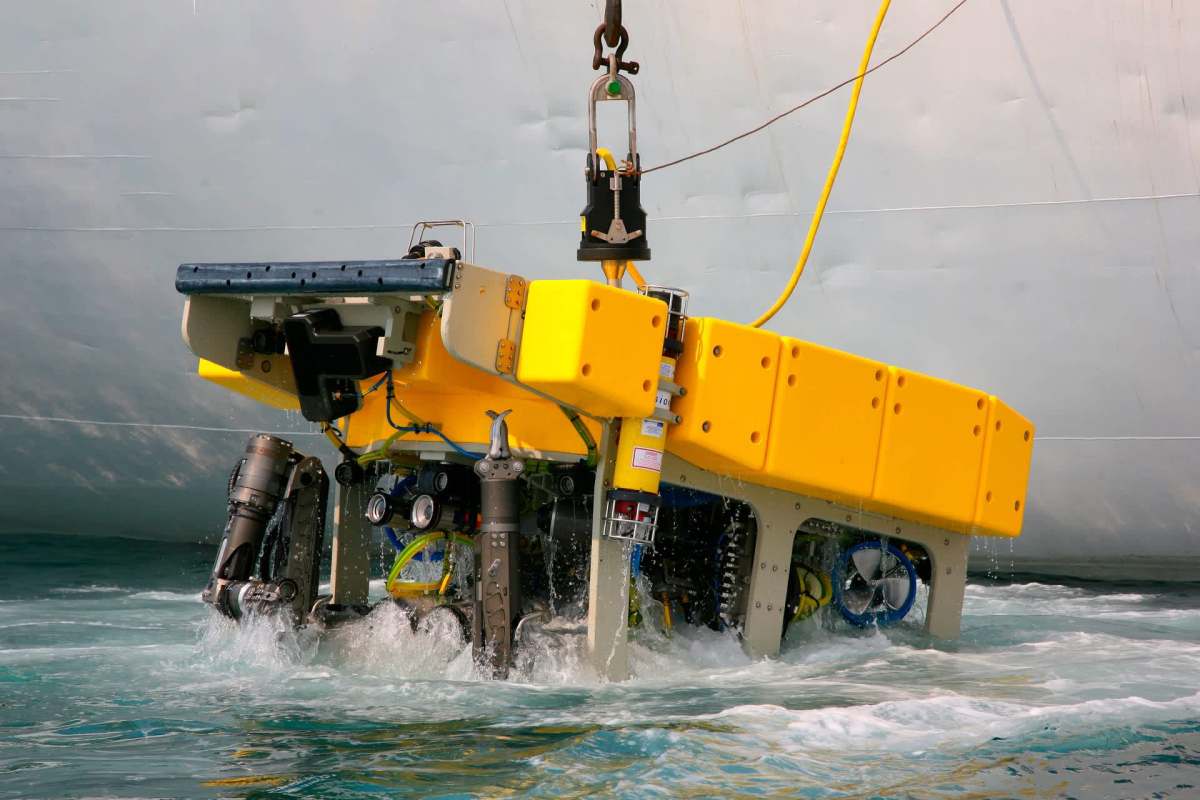
Researchers and engineers from the Technical University of Munich have developed a first-of-its-kind underwater robotic hand designed to detect, grip, and withdraw litter from oceanic depths.
Built as part of the larger SeaClear initiative, which targeted the marine pollution issue from 2020 to 2024 through the introduction of various "autonomous robots," the TUM diving robot involves the use of artificial intelligence to identify and grasp underwater litter between its four mechanical fingers.
According to Interesting Engineering, the entire process comprises an unmanned service boat equipped with cable power and data capabilities, a dinghy, a drone, a small search robot to scan the underwater area, and the TUM robotic hand.
Once the service boat approximates the layout of the seabed using ultrasonic waves, the search submarine refines that map, preparing any detected litter for analysis and extraction.
The diving robot relies on neural network models to process image scans of the seabed and draws upon the AI to generate 3D models from the result, informing the precise grasp and pressure of its four fingers, per Interesting Engineering.
"This is important for deciding where the object can be gripped securely," explained TUM's Stefan Sosnowski.
TCD Picks » Quince Spotlight
💡These best-sellers from Quince deliver affordable, sustainable luxury for all




Uncurbed pollution is always a concern, but especially so in the depths of our oceans, which is inaccessible to most cleanup efforts without expensive and elaborate scientific equipment.
Out of reach, any litter can linger unchecked, degrading water quality and negatively affecting the marine wildlife that encounter and ingest its fragments.
While it's essential to develop newer, more efficient, and more thorough ways of removing litter from our oceans, the involvement of AI poses its own set of environmental risks.
Studies have linked the growing number of AI-driven data centers — and the electrical supply required to sustain them — to recent surges in the heat-trapping carbon pollution that's driving up our global temperatures.
Still, even if there's always room for eco-conscious growth, drawing upon AI cautiously and modestly to automate and improve our marine cleanup is certainly productive, in one way or another.
|
Should we be harnessing the ocean to power our homes? Click your choice to see results and speak your mind. |
 Absolutely 👍
Join our free newsletter for weekly updates on the latest innovations improving our lives and shaping our future, and don't miss this cool list of easy ways to help yourself while helping the planet.






