


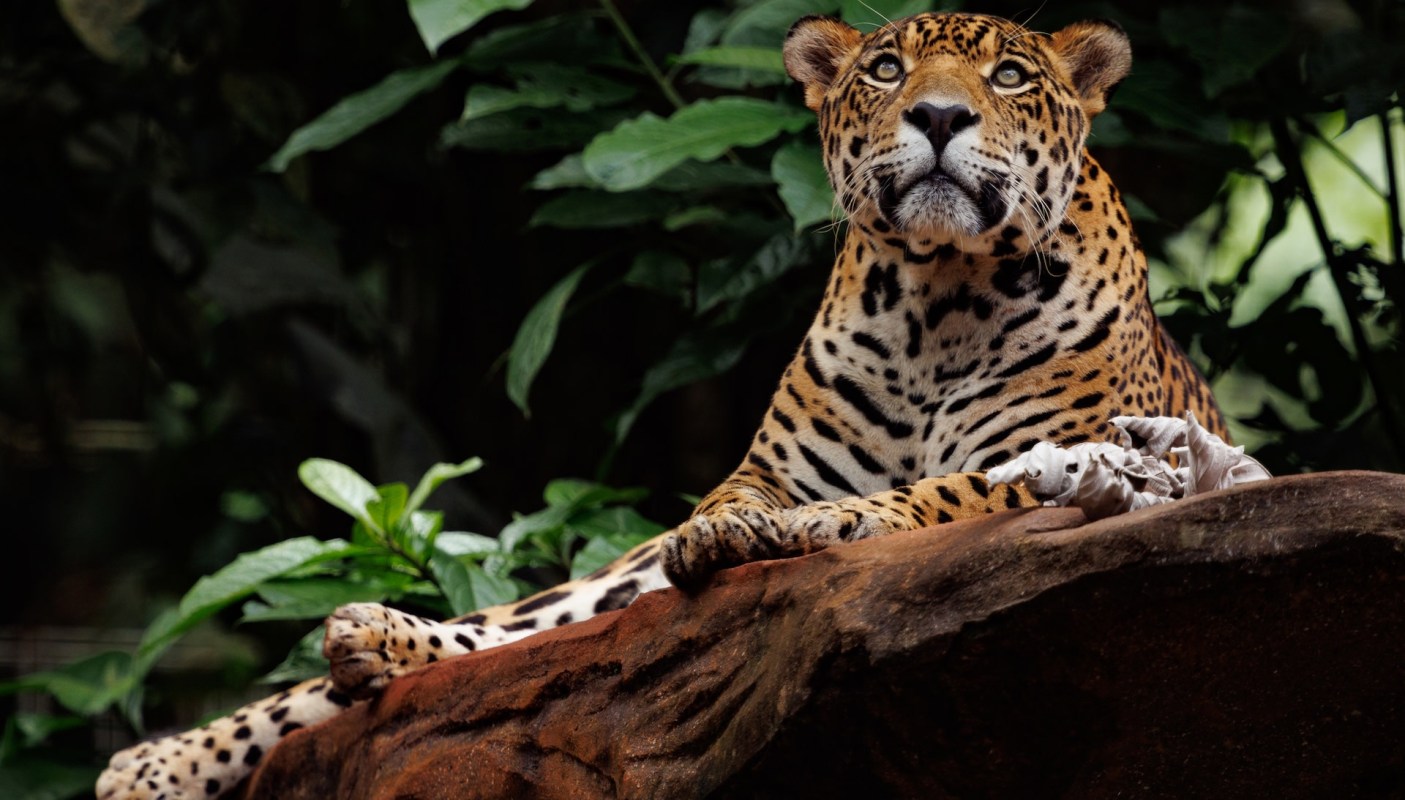
The Pantanal wetlands of Brazil, the world's largest tropical wetland, are now one of the best places to see wild jaguars. Tourism has turned these once-hunted cats into a valuable source of income for local communities, but experts warn that rising visitor numbers are putting both jaguars and people at risk.
What's happening?
In peak season, over 30 boats filled with tourists can crowd around a single jaguar in hot spots like Porto Jofre, Mongabay reported. While sightings have surged from just a few each year in 2009 to over 1,000 annually today, guides say overcrowding is stressing the animals and frustrating visitors.
"We hear people telling us of moments when jaguars don't hunt or mate because there are too many boats around them," Rafael Chiaravalloti, an environmental anthropologist at the University College London, told Mongabay. "Overcrowding is definitely becoming an issue."
The number of jaguars living near humans has jumped more than 400% in the past decade, increasing the odds of conflict. Earlier this year, a man was killed by a jaguar near a riverbank in a rare incident, but one that has fueled fears of retaliatory killings in the region.
Why is this concerning?
For locals, jaguar tourism has been a lifeline, replacing income from ranches and creating new jobs. If overcrowding leads to poor visitor experiences, that revenue could decline, pushing some back toward cattle ranching and predator control.
Experts also warn that overtourism may alter jaguars' natural behavior and destabilize the wetland ecosystem. Similar declines have already been seen in global tourism hotspots, such as the Komodo Islands, the Amazon rainforest, and Mount Rainier in Washington.
TCD Picks » Quince Spotlight
💡These best-sellers from Quince deliver affordable, sustainable luxury for all




Instances of wildlife coming into contact are increasingly common as deforestation, human activity, and warming climates cause wildlife to interact with humans more often. Conservation efforts are crucial for supporting biodiversity and ensuring that populations thrive, thereby contributing to a healthy ecosystem that provides clean air, water, food, and natural resources — all of which are essential to the long-term health of the planet and its inhabitants.
What's being done about it?
Some tour operators are experimenting with stricter rules, such as limiting the number of boats or vehicles per sighting and avoiding close approaches. Conservationists argue that visitor caps, stronger enforcement, and responsible tour choices by travelers will be key to keeping the Pantanal model sustainable.
Travelers can support conservation groups like Panthera, choose operators with clear wildlife guidelines, and avoid peak-season trips. Managed carefully, jaguar ecotourism can continue to support both communities and conservation, but without action, the Pantanal risks becoming a victim of its own success.
"If people don't get the experience they paid for, they will stop paying to go there," Chiaravalloti warned, per Mongabay.
|
Do you think America does a good job of protecting its natural beauty? Click your choice to see results and speak your mind. |
 Definitely 👍
Join our free newsletter for good news and useful tips, and don't miss this cool list of easy ways to help yourself while helping the planet.







