


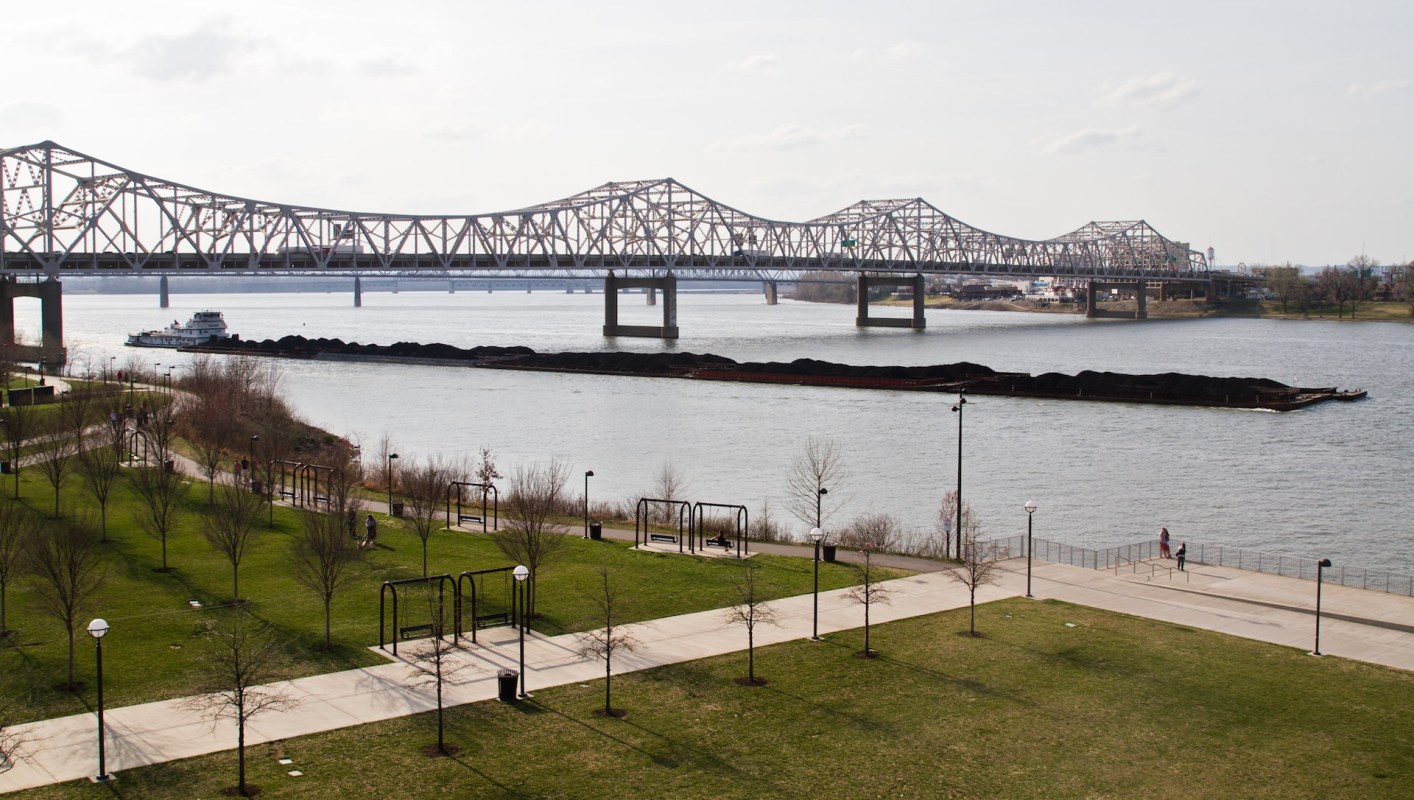
Though summer is technically over, many people are still battling high temperatures, especially in southern urban areas. Now, the city of Louisville, Kentucky, is working on a potential solution to beat that heat with a natural, greener approach.
Earlier this summer, Louisville Metro Parks and Recreation announced a six-week study of every tree in the public right-of-way in the metro to assess where more trees are needed, according to a report from WLKY.
"You can see at least a 10-degree difference when you're in a heavily canopied area versus out in the concrete in the middle of the city," the city's forestry manager, Katie Karl, said. "So by combining this [federal] grant and then urban forestry funds, we're trying to have a complete, comprehensive inventory of [the trees in] Jefferson County."
The outlet reported in 2016 that the Metro Office of Sustainability in Louisville commissioned a study that found the city was one of the fastest-growing urban heat islands in the country.
An urban heat island is an area of a city with an average temperature 15 to 20 degrees hotter, thanks to urban materials like concrete and pavement, which absorb heat well.
Previous studies have shown that planting more trees is an effective measure to combat the heat issue as well as improve overall air quality. A study published in The Lancet showed that increasing canopy coverage by 30% across 93 European cities could prevent an estimated four in 10 premature heat-related deaths.
TCD Picks » Quince Spotlight
💡These best-sellers from Quince deliver affordable, sustainable luxury for all




Researchers at the University of Louisville also ran a clinical trial measuring the effects of living near trees on the heart, and found residents of South Louisville had 13% lower levels of a marker for heart disease, comparable to starting regular exercise.
Regarding the current study being conducted, Louisville Mayor Craig Greenberg told WLKY, "Having greenery and trees in our city is important to our city's health. It's important to our ecosystem to truly make people healthier."
Other cities are adding more and more green spaces to help cut down on the urban heat impacts. In Spain, the town of Jerez de la Frontera has begun using vine arbors, or green canopies of grape vines, to cool its streets. And Ahmedabad in India has experimented with a "cool roof" project to help lower temperatures by painting roofs with a white reflective coating.
|
Do you think your city has good air quality? Click your choice to see results and speak your mind. |
 Definitely 🥰
Join our free newsletter for good news and useful tips, and don't miss this cool list of easy ways to help yourself while helping the planet.







