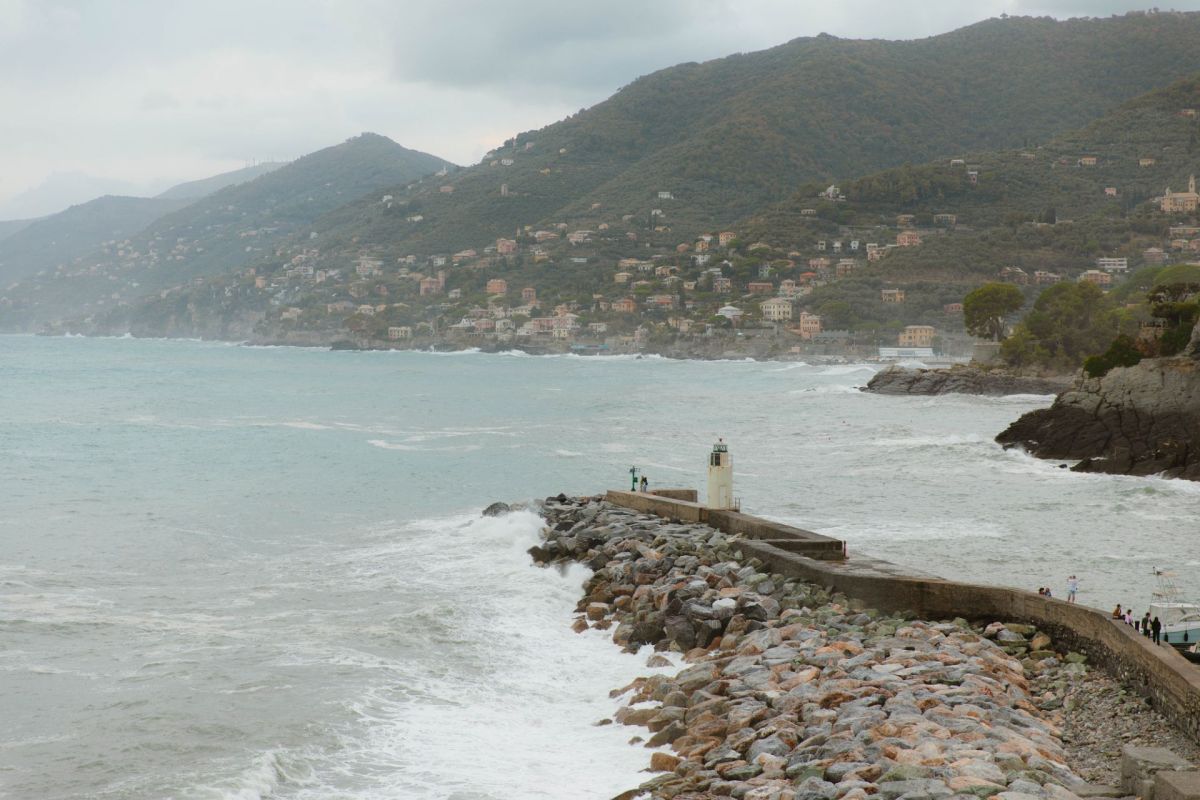
A new study suggested that coastal communities may face unprecedented challenges due to ocean warming and overfishing, potentially disrupting their way of life and local economies.
What's happening?
The study, published in the journal Science, was a result of decades of research investigating how human activities are altering marine and coastal habitats. The data suggested seagrass meadows, mangrove forests, and rocky intertidal zones are most at risk if nothing is done to curb the rise of global temperatures, coastal development, overfishing, and ocean acidification.
Ben Halpern, one of the study's authors and a marine biologist and ecologist at the University of California, Santa Barbara, likened these cumulating factors to "death by a thousand cuts" in a conversation with the New York Times, which did a deep dive into the study's findings.
"It's going to be a less rich community of species," Halpern said. "And it may not be something we recognize."
Why is this important?
Disruptions to these high-risk areas could lead to a cascade of adverse effects. For one, seagrass meadows and mangrove forests sequester carbon, helping to keep global temperatures in check. They also provide natural protection against storm surges, which are intensifying as sea levels rise and extreme weather becomes more intense due to a warming climate.
Most commercial and recreational fishing also occurs in the shallower coastal waters, supporting millions of jobs in the United States, as the Times noted.
TCD Picks » Quince Spotlight
💡These best-sellers from Quince deliver affordable, sustainable luxury for all




For members of the Gullah Geechee community, like Ed Atkins — a second-generation fisherman in South Carolina — coastal degradation could mean the end of their culture on the Sea Islands, whose oyster beds, maritime forests, and native grasses support their way of life.
"We have our own language, we have our own food ways, we have our own ecological system here," Marquetta Goodwine, the Gullah Geechee's elected head, said to the Times.
"You don't have that, you don't have a Sea Island," Goodwine continued. "You don't have a Sea Island, you don't have a Gullah Geechee culture."
What's being done about this?
Goodwine is among those spearheading efforts to protect and restore the Atlantic coastlines, while the latest study provides insight into how to better manage the world's ecosystems.
|
Do you think America does a good job of protecting its natural beauty? Click your choice to see results and speak your mind. |
 Definitely 👍
 Numerous initiatives are already underway, including the 30x30 campaign to safeguard 30% of all freshwaters, lands, and oceans by 2030.
The Nature Conservancy is one TCD-vetted charity involved with the campaign, and donating to causes that are important to you is one way to support a more sustainable future.
You can also combat the primary culprit behind rising global temperatures — namely, pollution from dirty fuels — by adopting clean energy sources such as solar.
Pairing solar panels with battery storage boosts climate resilience, helping you keep your lights on during grid outages. EnergySage's free service can connect you with local solar contractors and save you up to $10,000 on installations.

Join our free newsletter for good news and useful tips, and don't miss this cool list of easy ways to help yourself while helping the planet.