


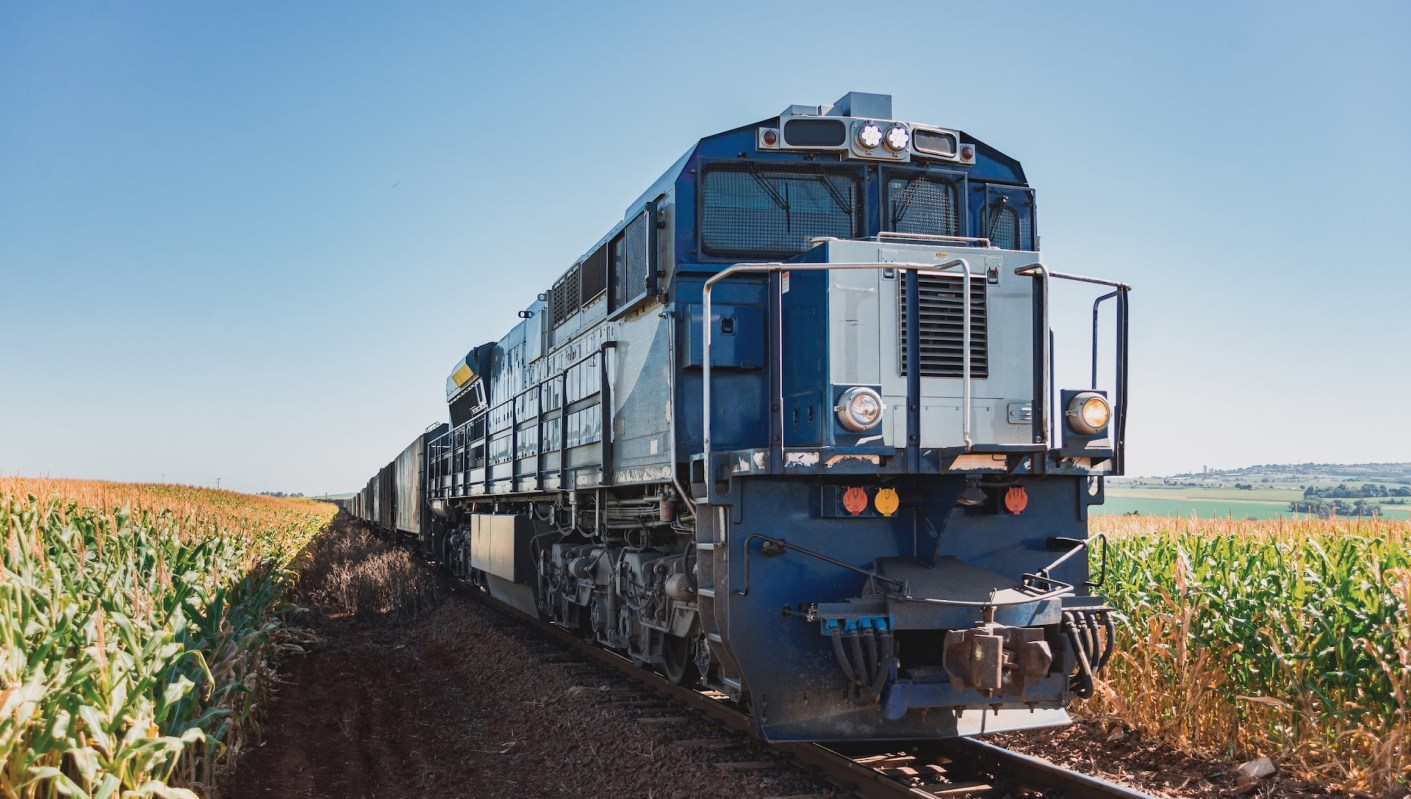
India's Northeast Frontier Railway has become the first railway zone in the country to swap plastic packaging for compostable bioplastic bags on its trains, reported Her Circle. The pilot program began on Aug. 15, India's Independence Day, when passengers first received linens packaged in biodegradable bags.
The bags were created by researchers at the Indian Institute of Technology Guwahati, led by professor Vimal Katiyar. They are being distributed on 25 trains across states, including Arunachal Pradesh, Assam, Bengal, Bihar, Tripura, and West Bengal. Nearly 40,000 bags have already been handed out, the news outlet reported.
The material is engineered to break down naturally in composting conditions, leaving no toxic residue, and is produced from biopolymers developed at IIT Guwahati's research facility.
For travelers, this shift means cleaner coaches and stations, less exposure to plastic waste, and a more hygienic onboard experience. For the planet, it means fewer single-use plastics ending up in landfills and waterways, where they threaten ecosystems and wildlife.
Professor Katiyar said, per The Logical Indian: "Replacing conventional plastic packaging with biodegradable alternatives will significantly reduce plastic waste and help protect our fragile ecosystems."
The initiative coincides with India's national effort to phase out single-use plastics, aligning with broader government sustainability goals, the outlet continued.
TCD Picks » Quince Spotlight
💡These best-sellers from Quince deliver affordable, sustainable luxury for all




Behind the scenes, NFR has invested in waste management systems to make the project sustainable, reported Her Circle. At Kamakhya station in Guwahati, a facility produces inoculums used to recycle biodegradable waste and reprocess bedroll bags into new ones.
The same plant manufactures 2,000 liters of anaerobic microbial inoculums daily to support the bio-toilet program on trains. These inoculums, certified by India's Defense Research and Development Organization, help break down waste and improve onboard sanitation.
Similar innovations are reshaping how we tackle plastic pollution. Researchers at Oak Ridge National Laboratory have developed a process, polymer editing, that rearranges the internal molecular structure of plastics for more efficient, higher-quality recycling.
Another breakthrough comes from AIMPLAS, where scientists are using enzymatic delamination to break down multilayer plastic waste, making it easier to recycle and reduce landfill volumes.
|
Should the U.S. government invest more money in recycling programs?
Click your choice to see results and speak your mind. |
 Yes 👍
Yes 👍 These innovations matter because they not only improve recycling systems and reduce pollution but also promise healthier environments for families and lower costs for communities tasked with managing waste.
The railway zone's ecological focus is especially significant in India's northeast, a region with rich biodiversity and fragile ecosystems, per The Logical Indian.
NFR General Manager Chetan Kumar Shrivastava described, per The Logical Indian, the shift as "a practical, scalable approach toward greener railway operations and a cleaner environment for all."

Join our free newsletter for good news and useful tips, and don't miss this cool list of easy ways to help yourself while helping the planet.






