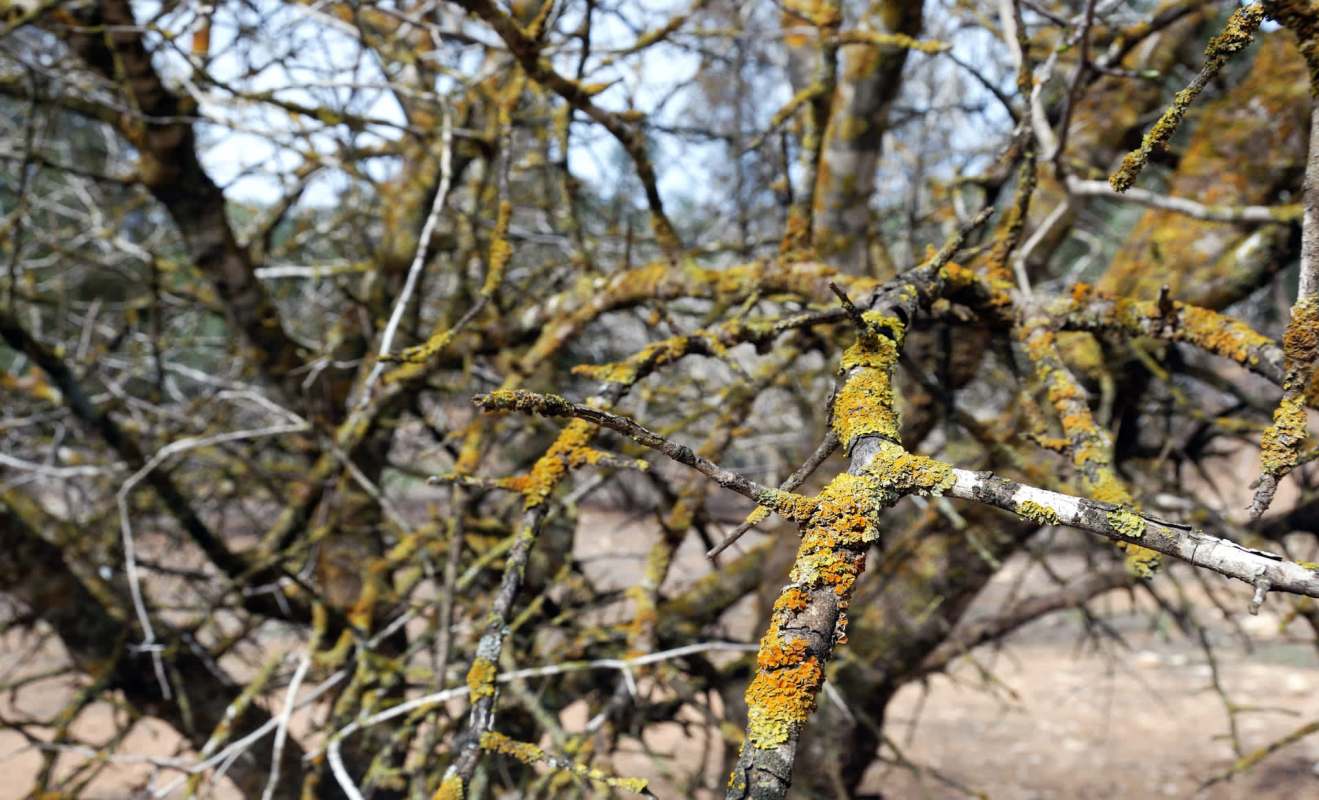
An invasive insect that can quietly wipe out entire forests is spreading to new areas of New York, raising alarm among conservationists and state officials. The hemlock woolly adelgid, first detected in the state decades ago, has now been confirmed near Lake Champlain and Great Sacandaga Lake — areas that had previously avoided infestation, according to the Department of Environmental Conservation.
What's happening?
HWA is an aphid-like insect from Asia that feeds on North American hemlock trees, eventually killing even healthy ones within four to 10 years. The bugs leave behind small, cotton-like egg sacs on the underside of branches, a telltale sign of infestation.
New sightings were logged in late July after residents and volunteers reported possible cases. "Every report helps us track its spread and respond more effectively," said Mark Whitmore, a forest entomologist at Cornell University, to WWLP.
Hemlocks are a cornerstone of New York's ecosystem, providing shade that keeps streams cool for fish like trout, sheltering wildlife such as moose and black bears, and preventing erosion with their deep root systems. Their decline could have a cascading effect across entire landscapes.
Why is this concerning?
If left unchecked, HWA threatens to decimate hemlock forests across New York. That loss would harm biodiversity, worsen soil erosion, and diminish water quality for communities that rely on clean rivers and lakes. It could also impact outdoor recreation and tourism, which depend on healthy forests.
Invasive species like HWA outcompete native species for vital resources, undermining fragile ecosystems. Protecting native plants and animals isn't just an environmental concern — it directly benefits people by safeguarding food supplies, preventing disease spread, and conserving natural resources.
TCD Picks » Quince Spotlight
💡These best-sellers from Quince deliver affordable, sustainable luxury for all




What's being done about it?
The state is tackling the problem with a two-part approach: chemical treatments such as imidacloprid and dinotefuran are being applied to individual high-value trees, protecting them for up to seven years; and biological controls — like releasing beetles that prey on HWA — are being cultivated through Cornell's New York State Hemlock Initiative.
The state budget has also allocated $500,000 to expand research and control programs. Individuals can help by avoiding the transport of untreated firewood, cleaning outdoor gear, and reporting suspected infestations to the DEC's Forest Health team (via email, phone, or the iMapInvasives app).
By acting quickly, New Yorkers can help slow the spread of this destructive pest and protect one of the region's most iconic trees for generations to come.
|
How often do you worry about having your personal info stolen? Click your choice to see results and speak your mind. |
 Never 😌
Join our free newsletter for good news and useful tips, and don't miss this cool list of easy ways to help yourself while helping the planet.