


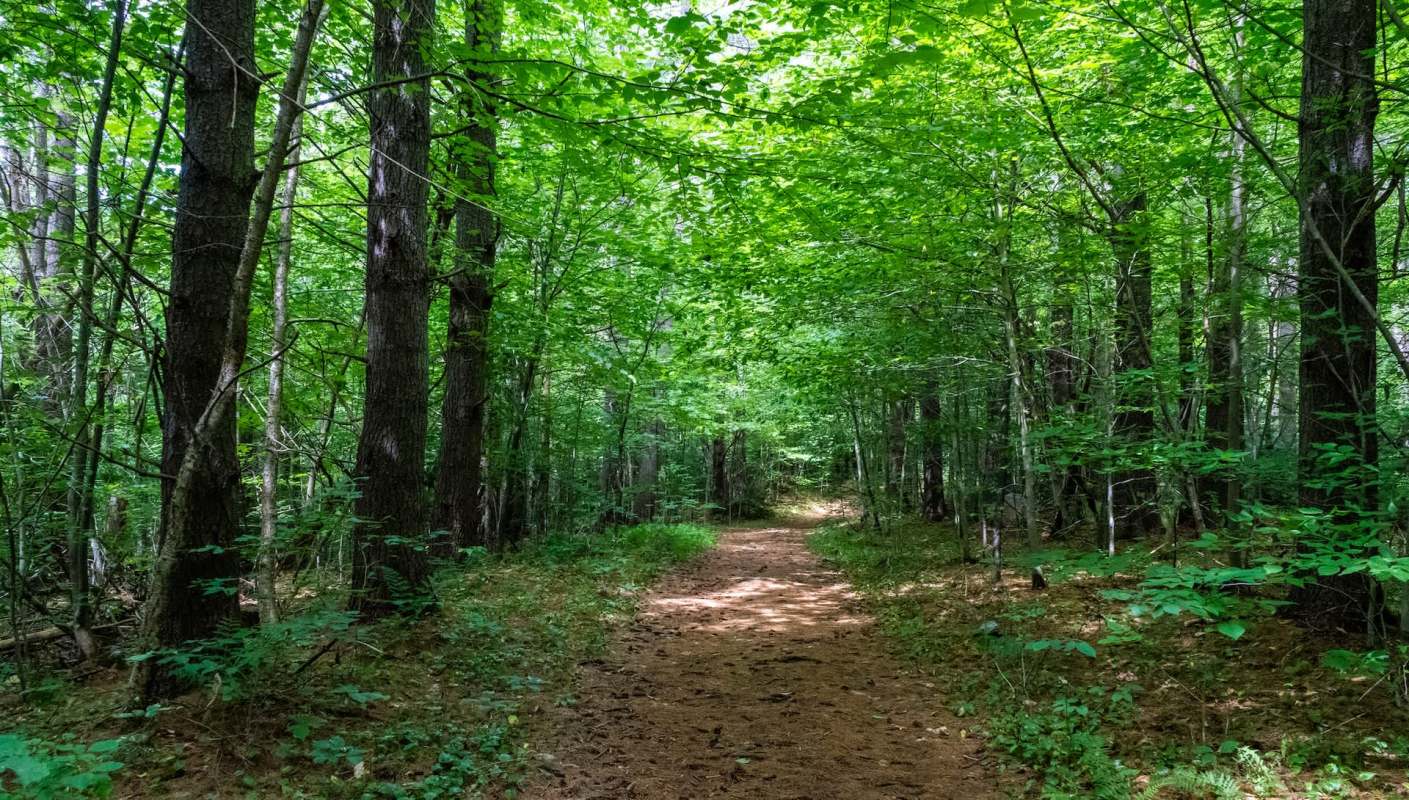
A hardworking conservation team in New Hampshire is making a big difference. Throughout the year, the New Hampshire Conservation Corps travels from county to county to remove invasive plants.
In Belmont, which is part of Belknap County, the conservation team is once again focusing their efforts on the invasive Alder buckthorn.
Alder buckthorn, also known as glossy buckthorn, is an invasive shrub that spread rapidly across the Northeastern and Midwestern United States.
Like other invasive plants, the buckthorn bush "grows and spreads quickly, sprouting leaves before native plants, shading them out from receiving necessary sunshine, and preventing healthy biodiversity," the Laconia Daily Sun reported.
If left unchecked, invasive species can do a lot of damage. Unfortunately, invasive plants are often very difficult to eradicate.
Alder buckthorn has dense root systems that can grow from cut stems, creating a dense thicket that suffocates surrounding plants. Even if you pull up most of the buckthorn, critters snack on buckthorn berries, spreading the seeds.
TCD Picks » Quince Spotlight
💡These best-sellers from Quince deliver affordable, sustainable luxury for all




Removing it is hard work, which is why Belknap County Conservation District Chair Jamie Irving stresses the importance of the local conservation team.
"Working with conservation commissions and conservation partners like SCA is how we can help make a difference in our environment and communities," Irving said in a media release, according to the Laconia Daily Sun.
There are thousands of invasive plants across America — you could even have invasive species growing in your neighborhood or backyard.
English ivy, kudzu, garlic mustard, and Japanese honeysuckle are some common invasive offenders that homeowners struggle to remove.
|
What is the biggest reason you don't grow food at home? Click your choice to see results and speak your mind. |
 Not enough time ⏳
 Homeowners should opt for native plants to save themselves the headache and to help save money and the planet, too.
Native plants promote biodiversity, provide shelter and food for wildlife and vital pollinators, conserve water, and reduce air pollution.
And since they're designed for and adapted to your local environment, native plants require less maintenance than non-native and invasive species. You'll spend less time and money on mowing, weeding, and watering, while your native plant garden thrives all on its own.

Join our free newsletter for good news and useful tips, and don't miss this cool list of easy ways to help yourself while helping the planet.







