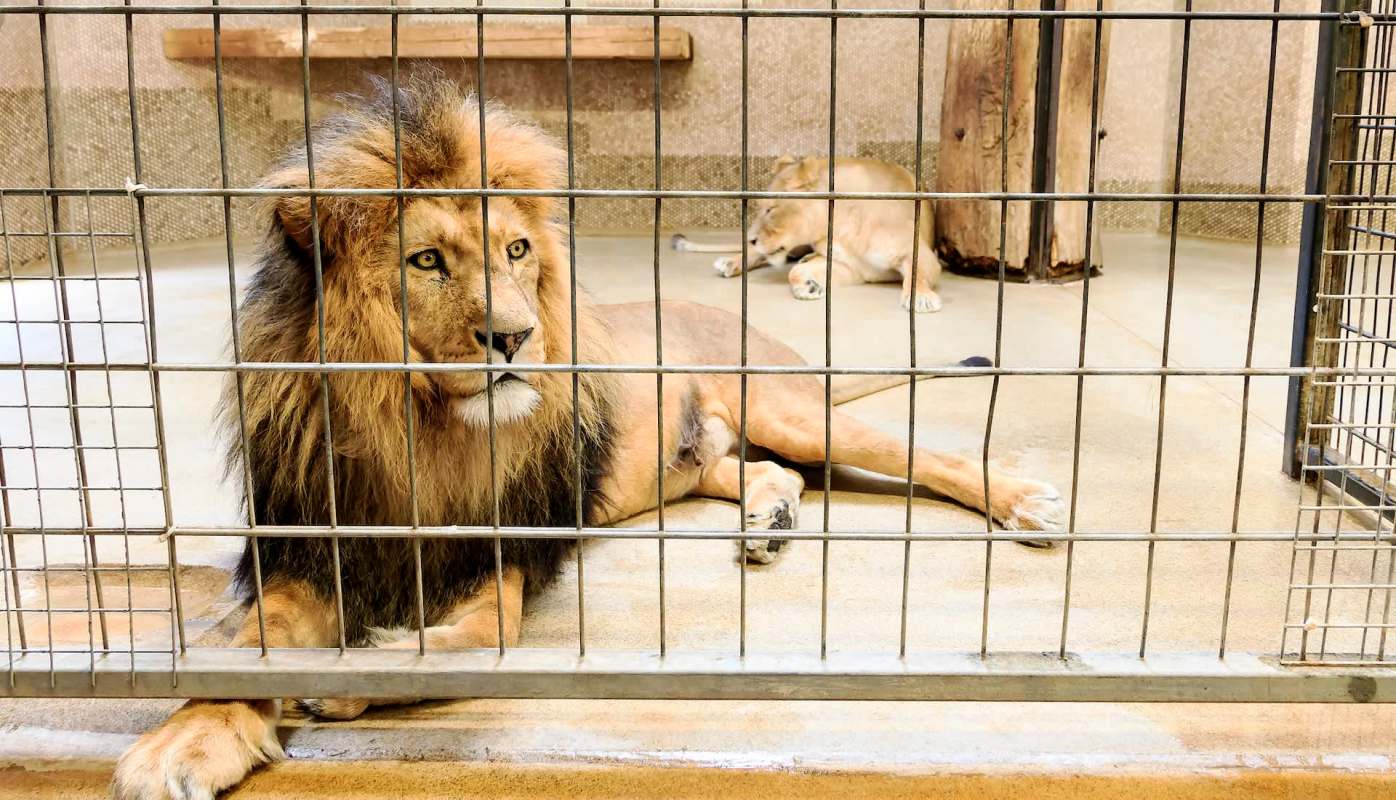
The Columbus Zoo and Aquarium has been under fire for its lack of accountability and transparency after one of its lions mauled another lion, which later had to be euthanized, according to the Columbus Dispatch.
"I expect the Zoo and other nonprofits that receive public funds to continuously review and improve their financial controls to ensure public resources are being used appropriately," Keith Faber, the Ohio state auditor, said in May after his office concluded an investigation into the zoo.
What's happening?
The Columbus Zoo formerly housed four lions, two of which needed to be kept apart for their safety. During nighttime hours, one of the lions broke through a security door separating the animals, the Dispatch reported.
A male lion named Roary attacked a female lion, Asali. While Roary received only minor injuries, Asali had to be euthanized after suffering a major bite wound.
In response, the Columbus Zoo denied that any of its employees were to blame for the incident.
"It was not human error," said Nicolle Gómez Racey, marketing and communications director for the zoo, per the Dispatch.
TCD Picks » Good Store Spotlight
Get 10% off your next purchase with code TCD10



The zoo claimed that all doors had been properly inspected and had been closed and locked prior to the incident. Further, the zoo argued that the door separating the animals was up to industry standards, but apparently, a window in the door had provided a weak point that allowed the lions to break through, according to the Dispatch.
Despite receiving $18.9 million per year in taxpayer funding, operating on publicly owned land, and participating in retirement programs for public employees, the zoo denied a public information request regarding the past year's animal deaths from a Dispatch reporter, hiding behind its legal status as a nonprofit rather than a public entity.
Transparency experts blasted the zoo's stance.
"If they're going to get the benefit of a government retirement system, it's pretty hard to explain why they wouldn't also be subject to the same open government laws that government agencies are subject to," said lawyer David Marburger, according to the Dispatch.
TCD Picks » Quince Spotlight
💡These best-sellers from Quince deliver affordable, sustainable luxury for all




|
Should the government be allowed to control how restaurants run their business? Click your choice to see results and speak your mind. |
 Never 👎
 The Dispatch's editorial board followed suit, criticizing the zoo for concealing animal deaths even as it engaged in a promotional blitz surrounding the birth of a new baby elephant.
"The zoo can not only tell pretty stories," the editorial board wrote. "It must be open to sharing even the tragic and uncomfortable and ugly ones as well."
The lack of transparency particularly raised concerns given the zoo's history of corruption and questionable practices. In 2024, the zoo's former CEO was sentenced to seven years in prison over a $2.3 million corruption scheme, along with four other employees, according to the Dispatch.
Why does it matter?
The situation highlights not only the potential for the misuse of public funds but also the dubious practices at zoos worldwide.
Zoos often claim that the price of an admission ticket helps animal conservation in the wild, that young animals born in zoos help support dwindling wild populations, and that animals kept in zoos are healthy and happy.
However, according to "extensive research" by Born Free U.S.A., an animal advocacy group, "the facts do not confirm these zoo industry fabrications, and instead demonstrate that captivity is harmful for the animals and does very little to enhance species conservation in the wild or adequately educate visitors."
Meanwhile, zoos continue to accept millions in taxpayer dollars and other public perks.
What's being done about it?
To fairly evaluate the benefits and drawbacks of zoos and determine whether they should receive public funding requires transparency and access to unvarnished facts about their operations.
Nonprofit groups, public transparency experts, and journalistic enterprises all have a role to play in revealing the truth about what happens at zoos.
Only with a complete picture of what happens inside zoo walls can a fair, accurate assessment be made. As the Columbus Dispatch editorial board wrote, "The truth should not be concealed."

Join our free newsletter for good news and useful tips, and don't miss this cool list of easy ways to help yourself while helping the planet.