


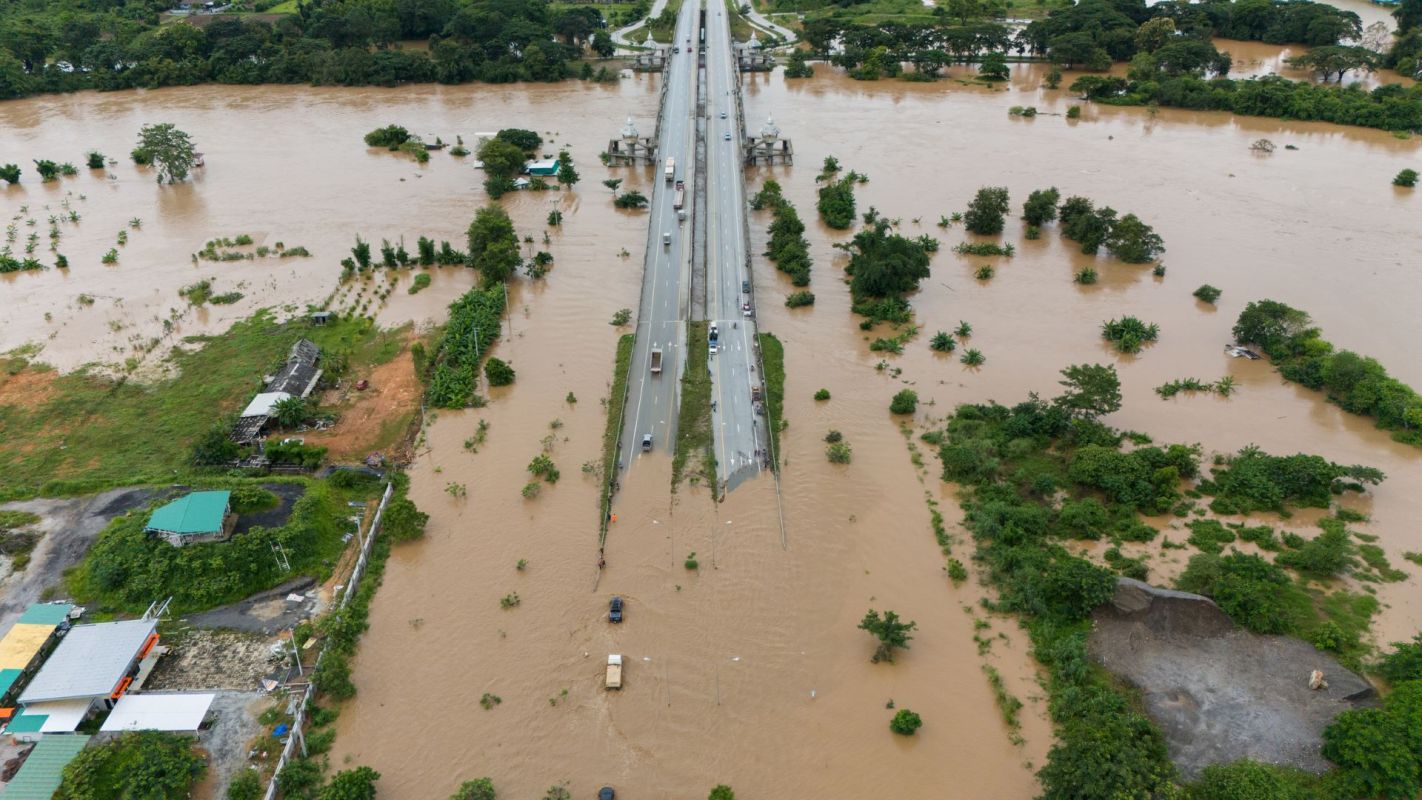
There were over $100 billion in global insured losses due to natural catastrophe events in the first half of 2025, the World Economic Forum reported. This is the second-highest mark in the first six months of a year since 2011.
What are natural catastrophe insured losses?
Insured losses from natural catastrophes are the financial toll of disaster events that are covered by insurance policies. Natural catastrophes include extreme weather events such as hurricanes, floods, earthquakes, and wildfires.
According to the 2024 Gallagher Re Natural Catastrophe and Climate report, natural catastrophes have cost insurers $146 billion each year from 2017 to 2024. Meanwhile, global insured losses in the first six months of 2025 reached nearly 70% of that threshold, with 90% of cases occurring in the United States.
Why are insured losses important?
Insurance should make it easier for individuals, businesses, and organizations to financially recover from disasters such as natural catastrophes.
The World Economic Forum noted that despite the mounting losses due to natural catastrophe events, the insurance protection gap, or the gap in losses not covered by insurance, has fallen to a record low of 38%, compared to the 21st-century average of 69%.
"This means that for the first time, a majority of weather-related losses were absorbed by insurers rather than borne entirely by governments, businesses, or individuals," the World Economic Forum stated, indicating a maturing U.S. insurance market, per the report.
TCD Picks » Quince Spotlight
💡These best-sellers from Quince deliver affordable, sustainable luxury for all




However, this progress is shadowed by the fact that many homeowners — particularly in wildfire-prone or high-risk areas — have lost coverage or been priced out in recent years, leaving them without the financial safety net that insurance provides.
For example, wildfires in the Los Angeles area, which dominated global insured losses in the first six months of the year, damaged or destroyed over 12,000 structures and displaced more than 150,000 people. The fires went down as some of the most expensive in history.
Insurers such as State Farm, which requested an emergency 22% hike in insurance premiums for homeowners and a 38% hike for renters, significantly raised their rates, forcing individuals to pay more out of their pockets.
Natural catastrophe events are becoming more frequent as rising global temperatures influence global climate patterns, impacting communities everywhere. The cost to address these changes may be significant, but it will cost far more with a failure to act.
|
Do you think your house could withstand a hurricane? Click your choice to see results and speak your mind. |
 No way 😨
 Insurers can play a bigger role in helping limit the damage of natural catastrophe events.
How insurers can help with natural catastrophes
Aside from providing a financial safety net for homeowners, insurers can employ the same technology they use to predict risk and justify premium rate hikes to help homeowners and property owners better protect their assets, limiting insurance claims.
For example, if an area is prone to wildfires, insurers could offer discounts for homeowners who take measures to harden their properties, which could improve resiliency and reduce claims.

Join our free newsletter for good news and useful tips, and don't miss this cool list of easy ways to help yourself while helping the planet.






