


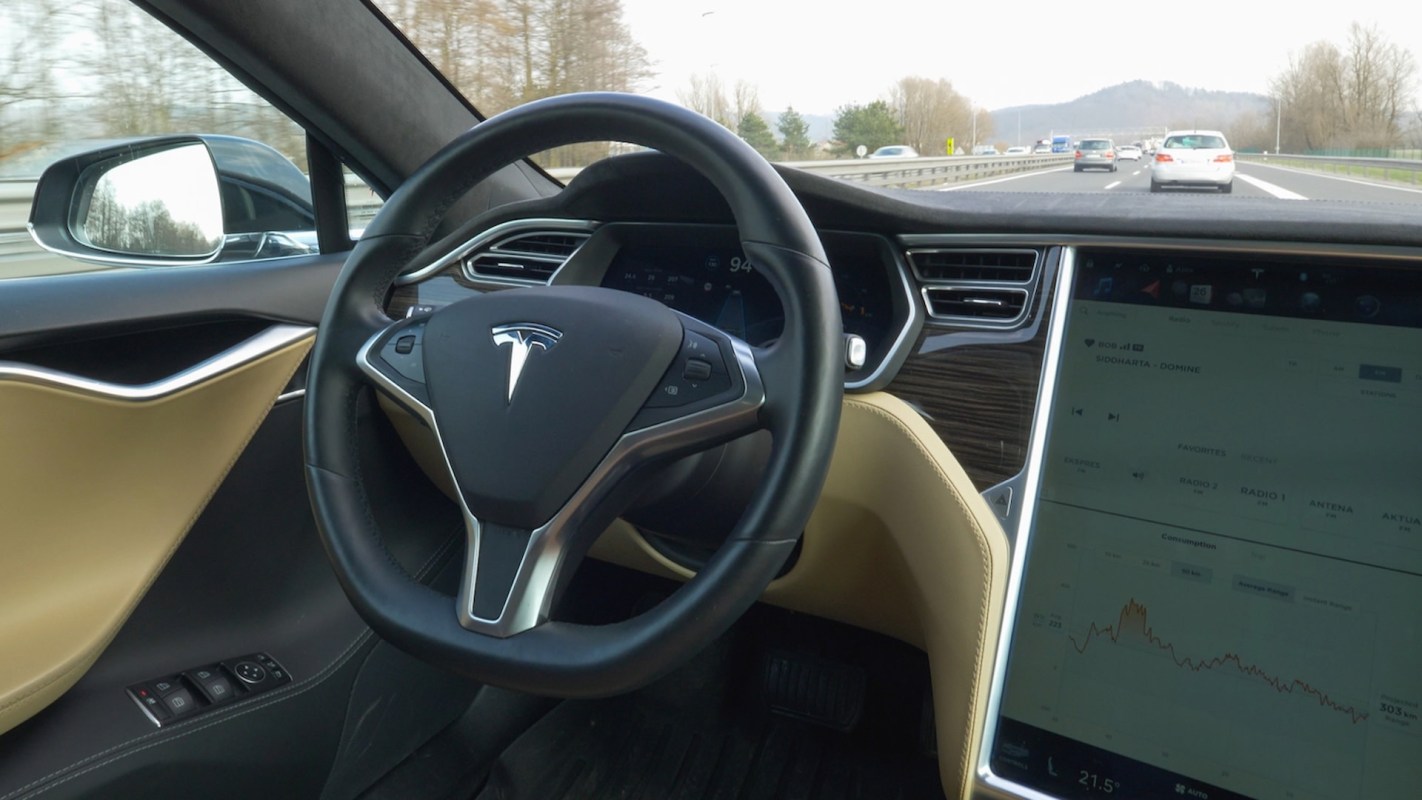
A federal judge has allowed a class action against Tesla to move forward after California drivers claimed the company misled them about its Full Self-Driving (FSD) driver-assistance software for its electric vehicles. According to Reuters, Tesla owners who paid thousands for the feature can pursue claims as a group.
What's happening?
U.S. District Judge Rita Lin found that there were enough common questions for Tesla drivers to sue as a group, including whether the cars had the sensors for high-level autonomy or had ever completed a fully autonomous trip. She wrote, "Tesla's distinctive advertising strategy warrants a departure from the typical approach," citing the company's reliance on its website for key claims.
The ruling split drivers into two groups. The first covers buyers from October 20, 2016, to May 19, 2017. The second includes those who bought between May 19, 2017, and July 31, 2024, but opted out of Tesla's arbitration rules. The FSD package costs thousands of dollars.
This isn't an isolated situation for Tesla. In recent years, it's dealt with a direct sales ban case and a Solar Roof price-hike lawsuit. In Sweden, workers went on strike against the EV giant. Each of these disputes has hit customers in different ways — unexpected price hikes, fewer buying options due to sales bans, and delivery/registration delays amid strikes.
Why is this important?
The case is a reminder of how risky it can be to spend thousands on high-tech features that may not perform as advertised. Joining together in a class action makes it cheaper for drivers to fight back and forces more accountability on the automaker.
And if people stop trusting self-driving vehicles, many might put off buying new cars. That kind of slowdown could drag out the move to cleaner vehicles, even though transportation already accounts for about 15% of global heat-trapping gases.
TCD Picks » Quince Spotlight
💡These best-sellers from Quince deliver affordable, sustainable luxury for all




What's being done about it?
Judge Lin certified the case in federal court. Federal officials — including the U.S. Department of Transportation's National Highway Traffic Safety Administration, which probed the feature in 2024 — have examined whether FSD is safe. Tesla says FSD requires active driver supervision and does not make its vehicles autonomous.
The scrutiny could result in clearer standards and stronger disclosures, which would help provide buyers stronger protection. Better safeguards and transparency are essential in maintaining trust in electric vehicles.
Meanwhile, as the EV landscape evolves, shoppers interested in cleaner vehicles can more carefully evaluate electric vehicle options.
|
Do you think a majority of Americans will have EVs in 20 years? Click your choice to see results and speak your mind. |
 Absolutely 👍
Join our free newsletter for good news and useful tips, and don't miss this cool list of easy ways to help yourself while helping the planet.






