


Government officials have confirmed the first human case of New World screwworm to be detected in the U.S., sending shockwaves through the American cattle industry, Reuters reported on Monday.
A traveler returning from El Salvador earlier this month was found to be infected with the flesh-eating parasite. While officials say the threat to human health remains low, screwworm poses an enormous threat to cattle and the cattle industry, per Reuters.
What's happening?
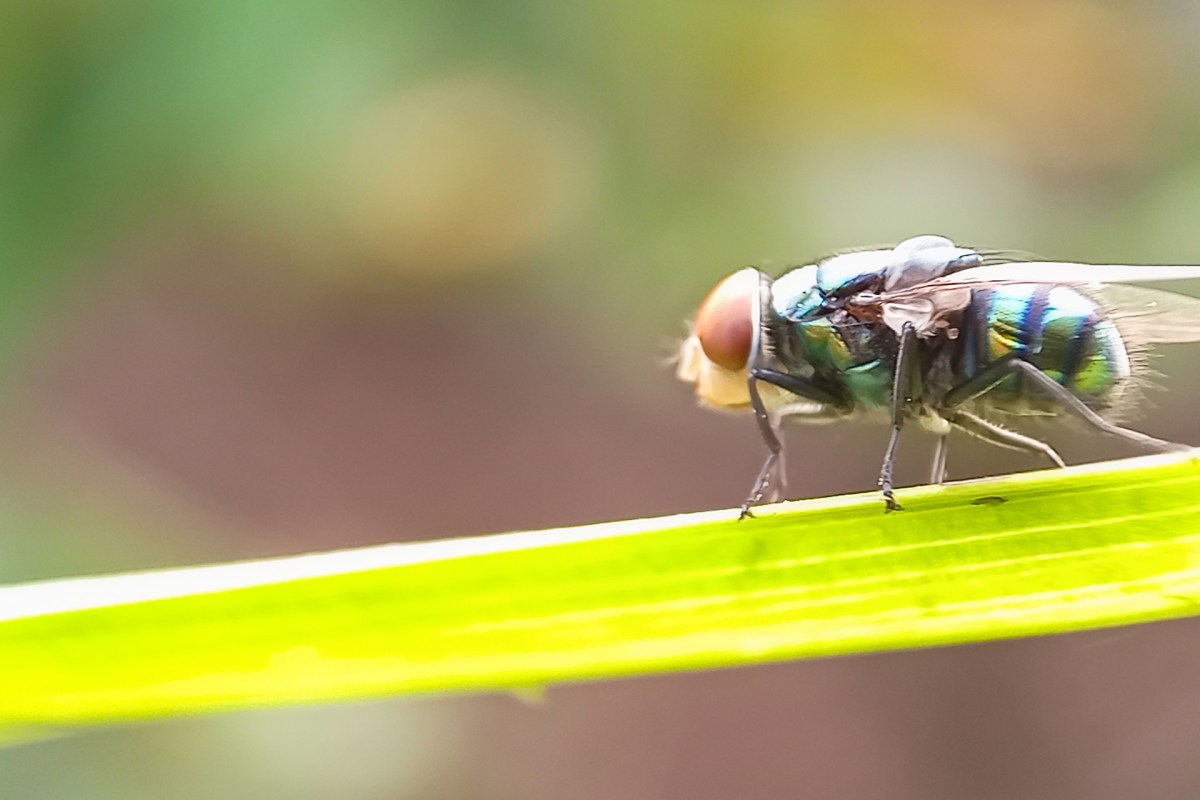
New World screwworms are the larvae of the New World screwworm fly.
"NWS flies lay eggs in open wounds or orifices of live tissue such as nostrils, eyes or mouth," explained the Texas Parks and Wildlife Department in a December 2024 press release.
"These eggs hatch into dangerous parasitic larvae, and the maggots burrow or screw into flesh with sharp mouth hooks," the TPWD continued. "Wounds can become larger, and an infestation can often cause serious, deadly damage or death to the infected animal."
For years, officials in the U.S. have taken strong measures to prevent the northward spread of the deadly pest.
TCD Picks » Quince Spotlight
💡These best-sellers from Quince deliver affordable, sustainable luxury for all




However, aided by rising global temperatures, screwworms have for years been spreading northward through South America and Central America, per the TPWD.
In May, U.S. officials halted imports from Mexico of all live cattle, bison, and horses after screwworms were detected in southern Mexico, near the Guatemala border.
The U.S. Department of Agriculture has estimated that a screwworm outbreak could cost the Texas livestock industry alone $1.8 billion due to animal deaths, medication, and other expenses, according to Reuters.
Across the U.S., economic damages could reach as high as $100 billion, according to the USDA.
|
Do you worry about the longevity of EV batteries? Click your choice to see results and speak your mind. |
 For sure 💯
 Despite the threat to industry, officials say that, from a human health standpoint, there is no cause for concern at this time.
"The risk to public health in the United States from this introduction is very low," said Andrew Nixon, a spokesperson for the Department of Health and Human Services, per Reuters.
Still, Reuters reported that at least one state official said they were concerned that the Centers for Disease Control and Prevention was not taking the risks or importance of communication across states seriously prior to the case being confirmed publicly by Reuters' exclusive on Monday.
"We found out via other routes and then had to go to CDC to tell us what was going on," Beth Thompson, South Dakota's state veterinarian, told Reuters. "They weren't forthcoming at all. They turned it back over to the state to confirm anything that had happened or what had been found in this traveler."
Why are New World screwworms important?
New World screwworms are just one example of how rising global temperatures have aided the spread of harmful invasive species into new regions.
As temperatures increase, invasive plants, animals, and insects are able to survive and even thrive in areas where they previously could not. Invasive species often outcompete native species, disrupting delicate ecosystems.
As the screwworm has shown, invasive species can decimate food supplies, disrupt trade, impact human health, and cause billions of dollars in damage.
What's being done about New World screwworms?
In mid-August, the USDA unveiled a sweeping plan to prevent New World screwworms from spreading into the United States.
The centerpiece of the plan was a $750 million facility in Texas that will breed sterile male screwworm flies. By releasing millions of sterile males into the wild, officials hope to slow reproduction and stop the screwworms from spreading.
Once completed, the facility will release 300 million sterile male flies per week, according to the USDA.
In the 1960s, a similar strategy was effective in eradicating the New World screwworm from the U.S.
However, rising global temperatures mean that government officials are working in a completely different environment than their predecessors were 60 years ago.

Join our free newsletter for weekly updates on the latest innovations improving our lives and shaping our future, and don't miss this cool list of easy ways to help yourself while helping the planet.






