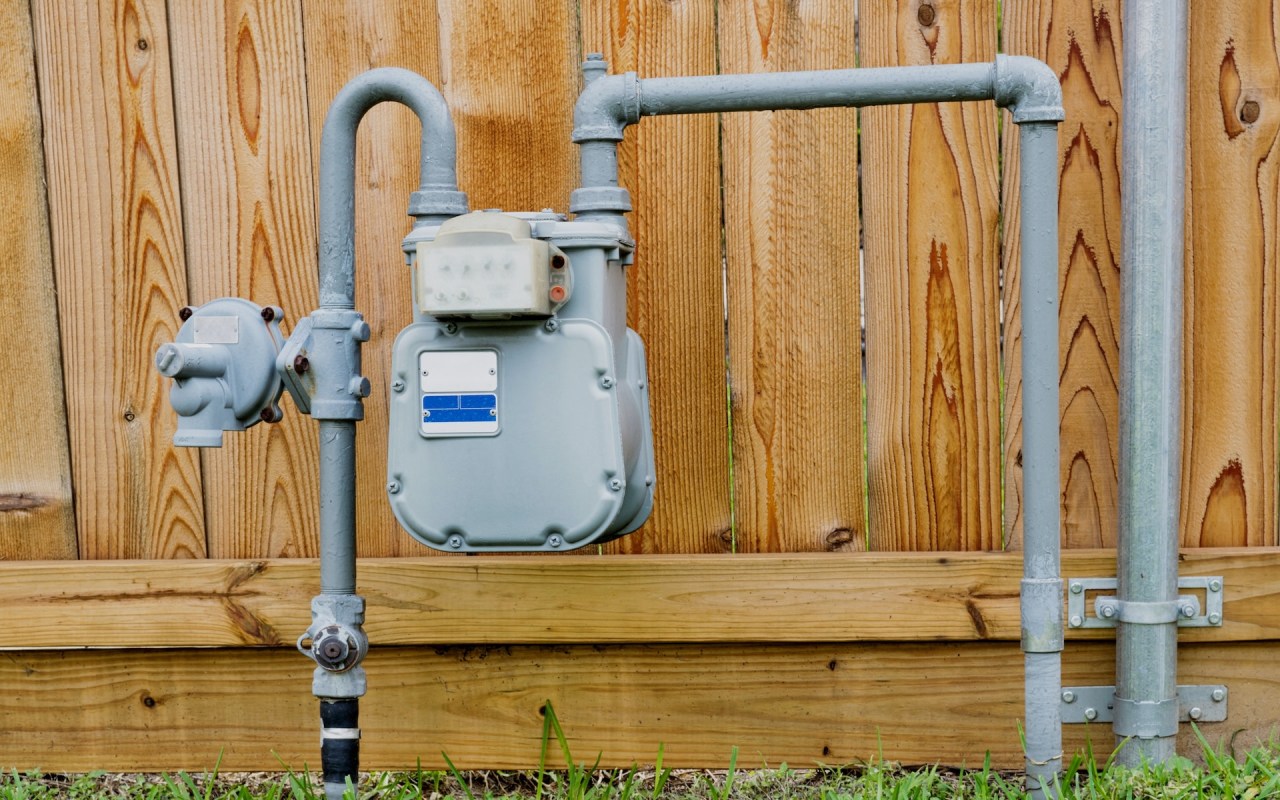
In places across the country, gas lines are showing their age — and their negative effects. Now, in California, local advocates, the utility company, and the state are coming together to try something different: going electric.
The idea behind "neighborhood-scale decarbonization" is simple: stop investing time and money in gas infrastructure that can leak, cause explosions without proper maintenance, and incur significant repair costs. Instead, provide whole communities with cleaner, cheaper, and more efficient power sources.
"They all have old gas lines that need to be replaced, so it represents an opportunity to electrify," David Sharples, a county director at Alliance of Californians for Community Empowerment Action, told Inside Climate News about the low- and middle-income communities of color that the group has been prioritizing for infrastructure updates.
The objectives behind neighborhood-scale decarbonization — also called "zonal decarbonization," according to Inside Climate News — include cost savings, climate benefits, and improved health and safety for residents. Retiring gas lines will reduce methane emissions, which warm the planet when released into the air and contribute to health problems, such as asthma, when leaked from sources like gas stoves inside our homes.
The utility company Pacific Gas & Electric is reportedly supportive of the push in California, with intentions to redirect gas line maintenance monies toward electrification efforts. It's a plan that seems to make plenty of sense right now — but even more as experts look into how environmental racism and inequitable access to modern technology could play out in the future otherwise.
"What will happen if we don't decommission the gas line is that the cost of maintaining it will continue to increase over time, and the user base will drop as people electrify," community development analyst Michelle Plouse explained to Inside Climate News in June. "The folks who don't have the money to electrify will be stuck on gas that will get more expensive every year."
TCD Picks » Quince Spotlight
💡These best-sellers from Quince deliver affordable, sustainable luxury for all




State and local programs are helping to reduce implementation costs for families and communities while nudging the country closer to its clean energy goals. Meanwhile, accidental gas line ruptures and leaks, according to a 2024 Reuters report, have been largely unaccounted for in federal tracking of heat-trapping pollution.
Online, people weighed in on gas line decommissioning in California communities. One Reddit commenter wrote, "Electricity prices are driven up by gas price spikes and transmission insurance costs. Renewables will drive 'em down, especially rooftop solar."
Some worried that decarbonization could actually increase costs while others emphasized the potential for long-term savings.
"This doesn't solve everything," one commenter wrote, "but it's one fewer air pollutant to worry about, and it's good that they targeted the more vulnerable in society who, as the article notes, are less likely to be able to afford the upgrades themselves as time goes on. Health is an important qualitative end in itself, but it also will result in lower healthcare costs for a population, for what it's worth."
|
Do you think your city has good air quality? Click your choice to see results and speak your mind. |
 Definitely 🥰
Join our free newsletter for good news and useful tips, and don't miss this cool list of easy ways to help yourself while helping the planet.