


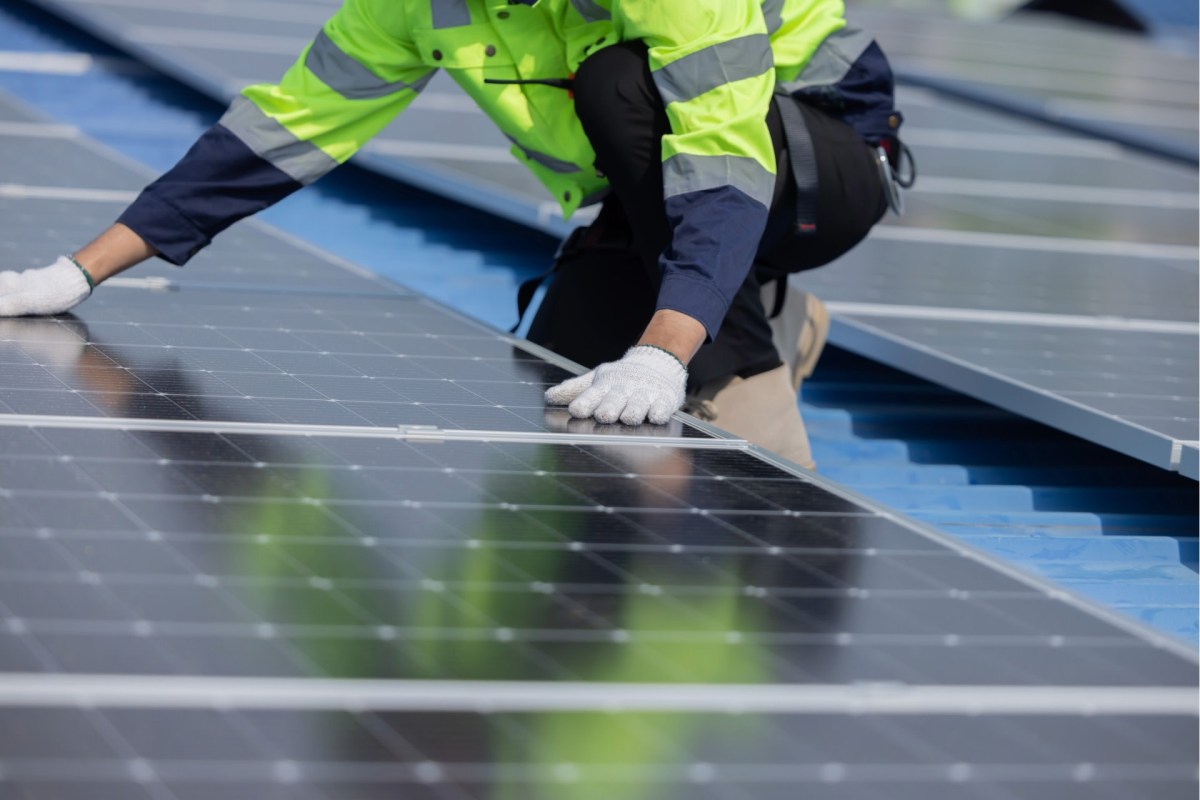
Boosting solar by just 15% could slash the electricity sector's carbon pollution by more than 9 million tons, according to new research.
The study, summarized by The New Lede, found that the biggest gains for such a tradeoff are possible in California, Florida, Texas, and the Mid-Atlantic, Midwest, and Southwest regions.
This is the first study to look at both immediate and delayed reductions in carbon pollution by increasing solar energy.
"If you increase solar at noon, not only do you get immediate changes in terms of reduction of emissions, but you'll also see like two or three or four hours later there is a reduction in carbon emissions," lead author Arpita Biswa told The New Lede. "This is due to the increase in solar generation at the earlier hours."
According to the Environmental Protection Agency, the U.S. produced nearly 7 million tons of carbon dioxide equivalent in 2022, which is the standard measurement for greenhouse gas emissions. About 60% of the country's electricity came from the burning of dirty fuels, mostly coal and natural gas. These dirty energy sources account for more than 75% of all planet-warming pollution, per the United Nations.
Rising global temperatures are already driving catastrophic weather, food insecurity, increased risk of vector-borne diseases, and other challenges for communities. Alternative energy solutions like solar and wind offer a way to reduce these risks and decrease the amount of dangerous air pollution infiltrating communities.
TCD Picks » Quince Spotlight
💡These best-sellers from Quince deliver affordable, sustainable luxury for all




The study's estimated reductions represent 13% of the EPA's current annual target of CO2 emissions reductions, The New Lede reported.
"This study offers insights for policymakers and stakeholders in achieving CO2 reduction targets through increased solar generation," the authors stated in the study.
However, the EPA recently announced its intent to rescind the 2009 endangerment finding, which required the agency to regulate greenhouse gases.
Despite what happens in Washington, you can still install your own rooftop solar, which can lower your monthly bills. Enrolling in community solar is a free option that can also lower your electricity costs.
|
Which of these factors is the biggest obstacle preventing you from getting solar panels? Click your choice to see results and speak your mind. |
 The upfront cost 💰
Join our free newsletter for good news and useful tips, and don't miss this cool list of easy ways to help yourself while helping the planet.






