


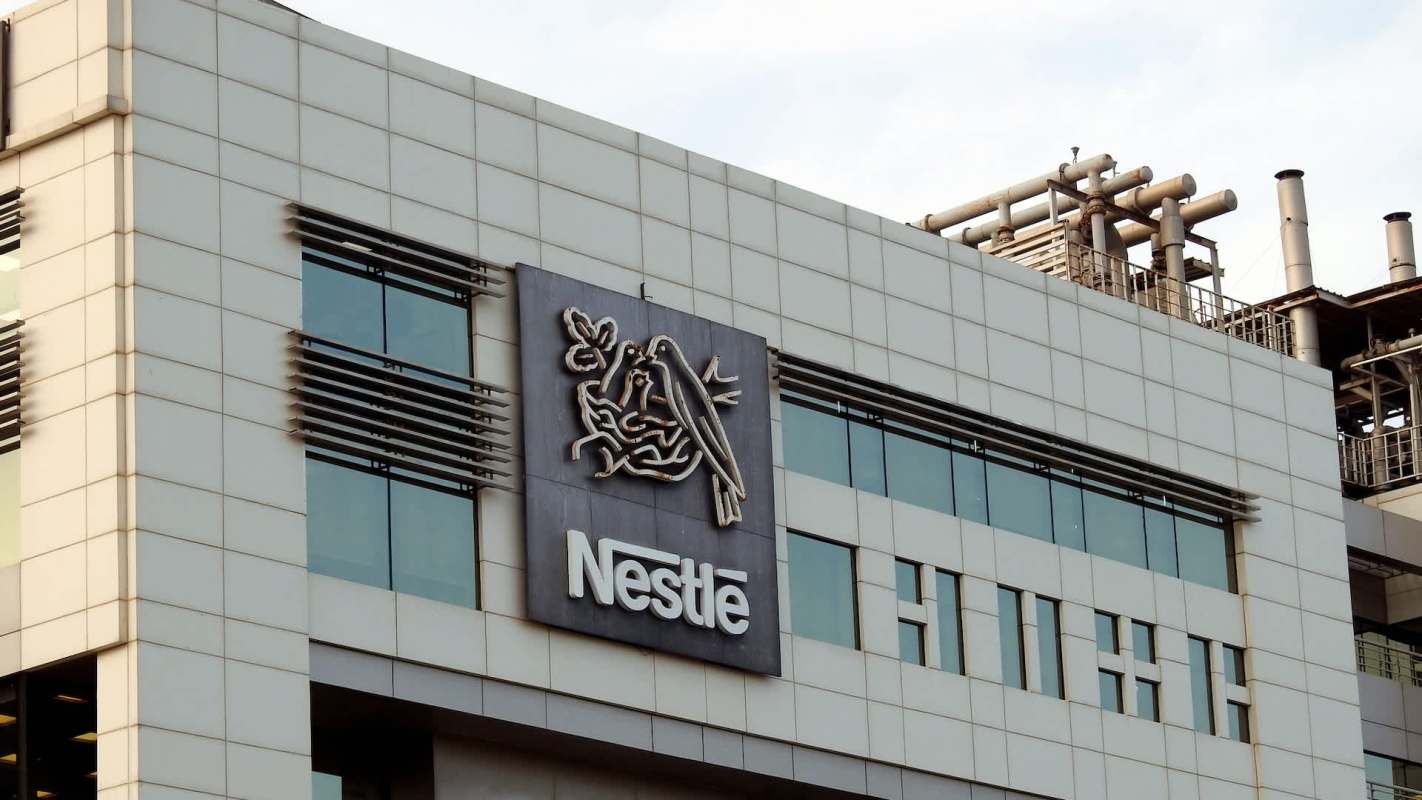
Recent findings of off-the-charts microplastic contamination in luxury water brands owned by Nestlé have rattled French consumers and government officials, leading advocates to hope the outrage can lead to significant changes in how plastics are regulated, Radio France Internationale reported.
What's happening?
Nestlé-owned bottled-water brands Contrex and Hépar were found to contain "microplastic concentrations so extreme that scientists say they shatter environmental baselines," according to RFI.
Government officials believed the microplastic contamination to be related to four massive, unauthorized dumps of plastic waste that took place in the vicinity of where those brands collect their water for bottling.
The dumps contained a total of about 620,000 cubic yards of plastic waste, enough to fill 126 Olympic-sized swimming pools, per RFI. That waste consisted mostly of discarded Nestlé water bottles. After publication, Nestlé Waters followed up with The Cool Down to say it "strongly denounces unfounded claims that could seriously mislead consumers" and that it had commissioned its own testing that refuted these claims.
"In particular, Nestlé Waters vigorously disputes the results of analyses conducted by the laboratory commissioned by the OFB (French Office for Biodiversity)," a spokesperson said in a statement to The Cool Down. "These analyses were carried out by a laboratory that is not accredited for the analysis of microplastics despite the fact microplastic analyses are highly specific and can be significantly distorted by methodological biases."
An earlier study found that the concentrations of plastic in the purportedly "luxury" bottled-water brands was a staggering 1.3 million times the average found in lakes and surface water.
TCD Picks » Quince Spotlight
💡These best-sellers from Quince deliver affordable, sustainable luxury for all




Officials have warned that the contamination levels can have "harmful effects on human health," per RFI.
Why is microplastic contamination important to prevent?
The situation in France highlighted the global problem of microplastic contamination. Microplastics, defined as plastic fragments up to 5 millimeters in length (and typically thought of as much smaller), have permeated the environment, being found everywhere from the deepest parts of the ocean to the top of Mount Everest to inside our own brains.
"Plastic never goes away — it just breaks down into finer and finer particles," said Desiree LaBeaud, a pediatric infectious disease physician at Stanford Medicine, per Stanford Report.
While most microplastics come from larger plastic items, like water bottles, that break down over time, "some are added directly to products we use such as paint, cleansers, and toothpastes," Stanford Report said.
|
Do you worry about having toxic forever chemicals in your home?
Click your choice to see results and speak your mind. |
 Majorly 😥
 Experts have estimated that 10 to 40 million tons of microplastic particles enter the environment every single year. Those figures are projected to double by 2040 given current trends, per Stanford Report.
While researchers warn that there still is much to learn about the impacts of microplastics on the human body, early indications suggest that microplastic contamination can result in a wide range of serious health effects.
"Bioaccumulation of plastics in the human body can potentially lead to a range of health issues, including respiratory disorders like lung cancer," found the authors of a 2024 study. It also can cause "neurological symptoms such as fatigue and dizziness, inflammatory bowel disease, and even disturbances in gut microbiota."
In the statement, Nestlé Waters said that "as soon as it became aware of these results," the company conducted "verification analyses by mobilizing recognized scientific experts in the field of microplastics."
"Three accredited or reference laboratories in the detection of microplastics in water were called upon: two laboratories accredited for microplastic testing in water (Nestlé's NQAC laboratory and the independent TERANA laboratory), as well as the reference laboratory SGS Fresenius, based in Germany, which contributed to the development of the ISO methodology for microplastic analysis in water," the statement read.
"Samples were taken directly at the boreholes, in the presence of a court bailiff. All results were submitted to the judicial authorities. Consistent and reliable data from these three laboratories show the absence of microplastics in the water from our boreholes."
The original testing that led to the controversy has not been retracted, so there appears to be a standoff on accuracy. Nestlé Waters told The Cool Down it did not have any microplastic testing data from its own finished consumer product water samples in bottles for further comparison. Other studies not linked to Nestlé have shown microplastics can leach into water from the plastic bottles themselves, giving further reason, apart from reducing plastic waste and greenhouse gas pollution, to switch to a reusable water bottle.
What's being done about microplastics?
Advocates looking for a silver lining to the Nestlé bottled-water scandal have expressed hope that the public outrage will result in meaningful change. According to RFI, Europe presently has no active regulations placing limits on allowable levels of plastic in drinking water.
To help the push for stronger plastic regulations, including maximum allowable levels in drinking water, you can use your voice and contact your elected representatives to let them know where you stand on microplastic contamination.
Also, there are actions you can take every day to use less plastic and to make sure what plastics you do use are properly recycled.

Join our free newsletter for good news and useful tips, and don't miss this cool list of easy ways to help yourself while helping the planet.






